
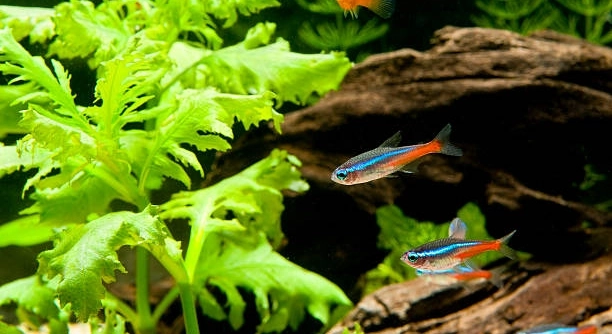
Recognizing the courtship behavior of tetras can enhance your experience as a fishkeeper. These small, vibrant fish display specific signs when preparing to mate, which reflect their natural instincts and social interactions in the aquarium environment.
Tetra courtship behavior includes distinct actions such as fin fluttering, chasing, and color changes. These signs indicate readiness to spawn and are essential for successful breeding. Observing these behaviors helps identify mating pairs and understand their reproductive patterns.
Knowing these seven signs will help you support your tetras during breeding. This knowledge can improve tank conditions and promote a healthier, more active community of fish.
Understanding Fin Fluttering
Fin fluttering is one of the earliest signs of tetra courtship behavior. During this action, a male tetra rapidly vibrates or flutters his fins, especially the dorsal and anal fins, close to a female. This movement is a form of communication that signals the male’s interest and readiness to mate. It also helps stimulate the female and prepare her for spawning. Fin fluttering can occur near plants or other hiding spots where tetras prefer to lay eggs. Observing this behavior can help you identify when your fish are entering the breeding phase. It is common in many tetra species and is often accompanied by other subtle changes in behavior, such as increased activity and chasing. Watching these details can deepen your appreciation for your aquarium’s natural rhythms and improve your ability to provide the right environment for successful breeding.
This behavior is mostly seen during early morning or when the tank is calm. It usually lasts a few minutes before the next phase of courtship begins.
Noticing fin fluttering is important because it marks the start of the mating process. When you see this sign, ensure the tank conditions are optimal, such as stable water temperature and clean substrate. Adding fine-leaved plants can provide a good surface for egg laying. Providing a quiet environment reduces stress and encourages natural behavior. Understanding this stage helps prepare for the next courtship signs and increases the chance of successful spawning.
Chasing and Following
Chasing is a more active part of tetra courtship where the male follows the female closely. This behavior serves to keep the female nearby and encourage her to move toward suitable spawning sites. The male may swim quickly around the tank, nudging or brushing the female with his body or fins. This persistent pursuit can last several minutes or longer, depending on the fish’s readiness. Chasing is a clear indication that the male is serious about mating and that the female is being courted. During this time, the female might show signs of receptiveness by slowing down or allowing the male to stay close. Watching this behavior helps confirm pair bonding and signals that egg-laying will likely follow soon.
Following this stage, the male and female often settle near plants or hidden areas to prepare for egg release. The chasing ensures the female is guided to an appropriate spot, which is vital for egg protection. Maintaining a calm and stable environment at this point helps reduce stress and allows the fish to complete their courtship naturally. Recognizing chasing behavior allows you to anticipate spawning and adjust tank care to support the process.
Color Changes
Tetras often show noticeable color changes during courtship. Males usually become brighter or develop more intense colors to attract females. This display highlights their health and vitality, making them more appealing to potential mates.
Color changes occur because of hormonal shifts triggered by breeding readiness. Males may intensify reds, blues, or other bright hues depending on their species. This transformation serves as a visual signal to females and rivals alike. Females may also show subtle changes, though less dramatic, signaling their receptiveness. These color shifts usually last through the courtship period and fade once spawning is complete. Observing these changes can help identify when your tetras are ready to mate and indicate healthy fish conditions.
Bright colors are also a sign of good water quality and nutrition. Maintaining optimal tank conditions supports this natural behavior and encourages successful breeding. Feeding a varied diet rich in nutrients can enhance these color displays. Proper lighting can further emphasize these visual cues, making it easier to notice when your tetras are courting.
Nesting and Egg Laying Behavior
During nesting, females choose safe spots to deposit eggs, often among plants or gravel. This behavior is key to protecting offspring from predators and strong currents. It also marks the transition from courtship to reproduction.
Females become selective in choosing spawning sites, inspecting different areas carefully. Once a spot is chosen, the female will lay small batches of eggs, often sticky, which adhere to plants or other surfaces. The male typically follows closely to fertilize the eggs immediately after they are laid. This phase can last for several hours as the pair deposits and fertilizes eggs in multiple locations. Providing dense vegetation or spawning mops in the tank encourages this natural process. After egg laying, the adults usually guard the area briefly before returning to normal activity. Understanding this behavior helps ensure the eggs have the best chance of survival through proper tank management.
Increased Activity Levels
Tetras become noticeably more active during courtship. Males swim faster and more frequently around the tank, often near females. This increased movement helps to display their fitness and readiness to mate.
The females also show heightened activity but tend to move more cautiously. This balance keeps both fish engaged in the courtship process without causing stress or aggression.
Body Posturing and Displays
Males adopt specific body postures to impress females, such as flaring fins or positioning themselves at certain angles. These displays emphasize their size and strength, which are attractive qualities during courtship. These visual signals play a vital role in gaining female acceptance and successfully completing the mating ritual.
Tail Twitching
Tail twitching is a quick, repetitive movement males use during courtship. It helps capture the female’s attention and signals the male’s interest in spawning. This subtle behavior often precedes more active courtship stages and is an important communication tool among tetras.
What is tetra courtship behavior?
Tetra courtship behavior includes a series of specific actions males and females perform when preparing to mate. These actions include fin fluttering, chasing, color changes, and other displays meant to attract mates and signal readiness for spawning. Recognizing these behaviors helps fishkeepers understand breeding readiness.
How can I tell if my tetra is ready to breed?
Signs your tetra is ready to breed include increased activity, vivid color changes, fin fluttering, and chasing behavior. Males become more vibrant and actively follow females around the tank. Females may also show subtle behavioral changes, such as choosing spawning spots.
Why does my tetra’s color change during courtship?
Color changes are caused by hormonal shifts linked to breeding readiness. Males display brighter colors to attract females and compete with rivals. This is a natural visual cue indicating the fish’s health and willingness to mate. Proper nutrition and good water quality support these changes.
How long does tetra courtship last?
Courtship duration varies by species and environment but generally lasts from a few minutes to several hours. Early behaviors like fin fluttering and chasing may last longer, while egg laying often happens in shorter bursts. Stress and tank conditions can affect timing.
Do all tetra species show the same courtship signs?
Most tetra species share common courtship behaviors like chasing and fin fluttering, but intensity and specific displays may differ. Some species show more dramatic color changes or unique movements. Knowing your tetra’s species helps you identify their particular courtship habits.
Should I separate tetras during courtship?
It’s usually best to keep tetras together during courtship if the tank is spacious and well-maintained. Separating fish can increase stress and reduce breeding success. Providing plenty of hiding places and plants encourages natural behavior and protects eggs.
Can courtship behavior indicate stress?
While courtship includes increased activity, excessive chasing or aggression might signal stress. If chasing becomes too intense or fish hide constantly, check water quality, tank mates, and environment. Healthy courtship is balanced and not overly aggressive.
What tank conditions support successful tetra breeding?
Stable temperature, clean water, and plenty of plants or spawning sites create an ideal environment for breeding. Soft, slightly acidic water often benefits many tetra species. Avoid sudden changes and maintain low lighting during spawning periods to reduce stress.
How do I care for eggs after spawning?
Once eggs are laid, adults may eat them, so consider using a breeding tank or egg traps. Keep water clean and stable, avoid strong currents, and provide gentle filtration. Eggs usually hatch within a few days, and fry need fine foods like infusoria initially.
Can I encourage courtship with diet changes?
Yes, feeding high-quality, protein-rich foods like live or frozen brine shrimp and daphnia can stimulate breeding behavior. A varied diet improves fish health and coloration, which boosts courtship displays. Avoid overfeeding to maintain water quality.
What if my tetras don’t show courtship behavior?
Lack of courtship may result from stress, poor water quality, incompatible tank mates, or immature fish. Ensure the environment meets species-specific needs, provide a balanced diet, and maintain proper tank conditions. Sometimes fish need more time to mature before breeding.
Understanding tetra courtship behavior is an important step for anyone interested in breeding these small, colorful fish. Recognizing the signs such as fin fluttering, chasing, and color changes can help you identify when your tetras are ready to mate. These behaviors are natural parts of their reproductive cycle and indicate healthy fish. Being able to spot these cues allows you to provide better care and improve the chances of successful breeding in your aquarium. It also makes observing your fish more rewarding because you can appreciate their natural interactions.
Creating the right environment is essential to support tetra courtship and spawning. Factors like clean water, stable temperature, and suitable plants or spawning surfaces encourage natural behavior. Keeping tank conditions optimal reduces stress, which is critical during breeding periods. Feeding your fish a nutritious diet rich in proteins helps enhance their health and coloration, both of which play roles in courtship displays. Watching for changes in activity and appearance can guide you in adjusting care to meet the needs of your fish during this time.
Being patient is key when dealing with tetra courtship behavior. Not all fish will breed immediately or show clear signs at once. Some may take weeks or longer to exhibit full courtship displays, especially if they are young or the environment is not ideal. Consistent tank maintenance and gentle observation can help you recognize when your tetras are progressing toward breeding. Understanding these behaviors helps you provide better support and increases the chances of a healthy, thriving aquarium with successful spawning events.

Hello,
If you enjoy the content that we create, please consider saying a "Thank You!" by leaving a tip.
Every little bit helps us continue crafting quality advice that supports the health, happiness, and well-being of pets around the world, for pets of all shapes, sizes, and species.
We really appreciate the kindness and support that you show us!