
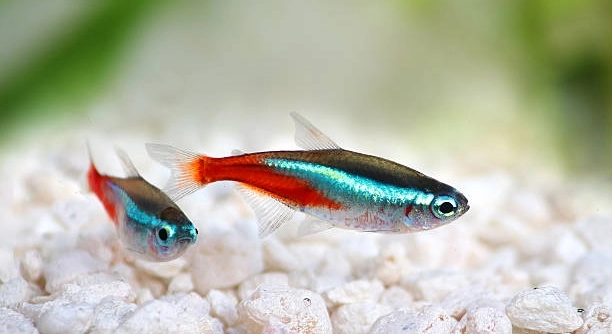
Keeping Tetra schools tight is important for their wellbeing and natural behavior. These small fish feel more secure and active when they swim closely together in groups. Proper care can help maintain their natural schooling habits.
The key to keeping Tetra schools tight lies in providing a comfortable environment with adequate space, stable water conditions, and consistent feeding routines. These factors encourage natural group behavior and reduce stress that might cause the fish to scatter.
Learning the right techniques to support your Tetras’ social needs will improve their health and keep your aquarium vibrant. This article shares simple, effective tricks to maintain tight schools effortlessly.
Choose the Right Tank Size
A proper tank size is essential for keeping Tetra schools tight. Small tanks limit swimming space and increase stress, causing fish to scatter. A minimum of 20 gallons is recommended for a small school of Tetras. This size allows enough room for the group to swim freely and stay together naturally. Overcrowding disrupts their behavior and can lead to health issues. Additionally, having enough space makes it easier to maintain stable water parameters, which is important for their comfort. Remember, Tetras feel safer in groups, but only when they have room to move. Providing a suitable tank size supports their schooling instinct and promotes a peaceful aquarium environment. This step is fundamental for anyone wanting to keep their Tetras happy and active.
A larger tank creates a more natural environment, encouraging Tetras to form tight, cohesive schools. It reduces stress and territorial disputes.
Maintaining the right tank size ensures your Tetras display their natural behavior. It reduces aggression and helps them swim as a unified group. When given space, they move fluidly, forming tight schools that look beautiful and indicate good health. The tank size also allows for better filtration and stable water quality, further supporting their wellbeing. When choosing your tank, consider the adult size of your Tetras and plan for their growth. It is better to start with a slightly bigger tank than one that feels cramped. This approach will keep your Tetras comfortable, reducing stress and helping them thrive in a stable, peaceful environment. A spacious tank is one of the simplest ways to encourage strong schooling behavior.
Maintain Stable Water Conditions
Stable water conditions are crucial to keeping Tetra schools tight. Sudden changes in temperature, pH, or ammonia levels can stress the fish, causing them to scatter or hide. Regular testing helps catch problems early. Keeping parameters steady mimics their natural habitat, promoting calm and social behavior.
Fluctuations in water quality disrupt schooling and weaken fish immune systems, leading to illness.
Frequent water changes, proper filtration, and monitoring are key to maintaining stability. Use a reliable water testing kit to check ammonia, nitrite, nitrate, and pH levels regularly. Tetras prefer slightly acidic to neutral water (pH 6.5-7.0) and temperatures between 72-80°F (22-27°C). Avoid rapid temperature shifts by using a heater and keeping the tank out of direct sunlight. Stable conditions lower stress and encourage Tetras to swim closely together. If water quality declines, fish may separate and become less active. By keeping the environment steady, you help your school stay tight, healthy, and vibrant. Consistency in care creates a calm habitat where Tetras feel secure and show natural behavior.
Provide Hiding Places
Tetras feel safer when they have places to hide. Plants, decorations, and caves help reduce stress and encourage them to stay close together.
Creating hiding spots mimics natural environments where Tetras seek shelter from predators. Dense plants and shaded areas give them a sense of security. This reduces anxiety and prevents fish from scattering. When fish feel safe, they are more likely to school tightly. Be sure to leave enough open space for swimming. Balancing open water with hiding places supports their natural behavior and health. This also helps shy Tetras come out and interact more confidently with the group.
Plants such as Java fern, Anubias, and floating species work well. Decorations should not overcrowd the tank but provide varied textures and cover. Adding caves or rock formations offers additional shelter. Regularly check for algae or debris buildup around these areas to keep them clean and safe.
Feed Consistently
Feeding Tetras on a regular schedule helps keep their group behavior steady. Consistent feeding prevents competition and stress that could cause the school to break up.
Tetras respond well to small, frequent meals instead of large ones. This matches their natural grazing habits and maintains energy throughout the day. Use high-quality flakes or pellets designed for small tropical fish, supplemented occasionally with live or frozen foods like brine shrimp or daphnia. Feeding the entire group at once encourages the fish to stay together and reduces chasing or aggression.
Avoid overfeeding to prevent water quality issues that may affect schooling. Remove uneaten food promptly to keep the tank clean. A stable feeding routine builds trust and comfort among the fish, promoting close swimming and a healthy school overall.
Keep the School Size Appropriate
A school of at least six Tetras is ideal for tight schooling behavior. Smaller groups tend to scatter and feel insecure.
Larger schools improve social interaction and reduce stress. More fish create a natural sense of safety that encourages close swimming and coordinated movement.
Use Gentle Filtration
Strong currents can stress Tetras and break their school apart. Use a filter with adjustable flow or add a baffle to reduce water movement.
Gentle filtration maintains water quality without creating turbulence. This helps keep Tetras calm and together. Avoid placing the filter outflow directly toward the main swimming area, as strong jets can cause the fish to scatter.
Monitor Fish Health
Healthy fish are more likely to school tightly. Illness or injury causes fish to isolate or swim erratically.
Watch for signs like faded colors, clamped fins, or unusual behavior. Early detection and treatment prevent disruptions in the school and protect the whole group.
FAQ
Why do my Tetras keep breaking their school?
Tetras break their school mainly due to stress or poor tank conditions. Common causes include overcrowding, unstable water parameters, strong currents, or insufficient hiding places. When these factors cause discomfort, Tetras tend to scatter or hide instead of swimming together. Ensuring a spacious tank, stable water quality, gentle filtration, and plenty of cover helps keep the school tight and calm.
How many Tetras should I keep together for tight schooling?
A minimum of six Tetras is recommended for natural schooling behavior. Smaller groups don’t feel secure and often spread out. Larger groups of eight to twelve or more promote closer, more synchronized swimming. The more fish in the group, the stronger the instinct to stay together. It’s important to balance the number of fish with the tank size to avoid overcrowding.
What tank size is best for keeping Tetras in a school?
A 20-gallon tank is the minimum for a small group of Tetras. Larger tanks provide more swimming space and reduce stress. Adequate space encourages natural schooling and reduces territorial behavior. If you plan to keep more than six fish, consider increasing the tank size accordingly. A well-sized tank helps maintain water quality and creates a comfortable environment for tight schooling.
How often should I feed my Tetras to keep their school tight?
Feeding small amounts two to three times daily works best. Frequent feeding mimics their natural grazing habits and keeps energy levels steady. Avoid overfeeding, as uneaten food can degrade water quality, stressing the fish and causing them to scatter. Offer high-quality flake or pellet food, supplemented occasionally with live or frozen treats.
Can strong water currents affect Tetra schooling?
Yes, strong currents can disrupt schooling by scattering the fish. Tetras prefer gentle water movement. Use a filter with adjustable flow or add a baffle to reduce water force. Position the filter output away from the main swimming area. Gentle filtration keeps water clean without stressing the fish, helping maintain tight, natural schools.
Do Tetras need plants or decorations to school tightly?
Plants and decorations provide hiding spots, which reduce stress and encourage schooling. Dense plants, caves, and shaded areas give Tetras a sense of security. This comfort promotes closer swimming. However, balance hiding places with open space for swimming. Overcrowding the tank with decorations can limit movement and disrupt schooling behavior.
What water parameters are ideal for Tetra schools?
Tetras thrive in slightly acidic to neutral water, with a pH between 6.5 and 7.0. Temperatures between 72°F and 80°F (22°C to 27°C) are ideal. Ammonia and nitrite levels should be zero, and nitrate kept low. Stable water parameters reduce stress and encourage natural schooling. Regular testing and maintenance are necessary to keep conditions steady.
How do I tell if my Tetras are stressed?
Signs of stress include faded colors, clamped fins, erratic swimming, hiding, or loss of appetite. Stressed fish often break from the school and isolate themselves. Address water quality issues, check tank conditions, and review feeding routines if you notice these behaviors. Reducing stress helps maintain tight schooling and supports overall fish health.
Is it okay to keep other fish with Tetras?
Yes, but choose peaceful tank mates that won’t harass or outcompete Tetras. Aggressive or large fish can cause stress and break up the school. Compatible species include small rasboras, guppies, and corydoras catfish. Avoid fin-nippers and territorial species. A peaceful community tank promotes tight schooling and reduces stress for all fish.
How can I encourage my Tetras to school better?
Provide a stable environment with proper tank size, gentle filtration, hiding spots, and a consistent feeding schedule. Keep at least six Tetras together and maintain ideal water conditions. Minimize disturbances around the tank and avoid sudden changes. Consistency and comfort encourage natural schooling and help your fish swim close and confidently together.
Final Thoughts
Keeping Tetra schools tight takes attention to several important details. Providing enough space with the right tank size is a basic but essential step. A cramped tank causes stress and disrupts natural schooling behavior. Along with space, maintaining stable water conditions is key. Tetras are sensitive to sudden changes in temperature, pH, or water quality. Regular testing and water changes help keep their environment calm and healthy. These factors reduce stress and encourage the fish to swim closely as a group.
Offering hiding places in the tank also supports tight schooling. Plants, caves, and decorations give Tetras a sense of security, which makes them feel less threatened. When they feel safe, they stay together more naturally. The balance between open swimming space and cover is important to avoid overcrowding. Feeding routines matter as well. Consistent, small meals throughout the day keep the fish active and prevent competition that could cause the school to break up. Gentle filtration that doesn’t create strong currents helps maintain a peaceful atmosphere for the fish to swim tightly together.
Finally, it is important to monitor the health of your Tetras regularly. Healthy fish are more likely to school tightly. Illness or injury often leads to isolation or erratic swimming. Watching for changes in behavior, color, or appetite allows early detection and treatment of problems. Keeping the school size appropriate is another key point. Groups of at least six fish encourage natural schooling instincts, while too few may feel insecure. Combining these care practices creates a stable, comfortable home where your Tetras can thrive. Observing your fish over time will help you understand their needs and keep their school tight and active.

Hello,
If you enjoy the content that we create, please consider saying a "Thank You!" by leaving a tip.
Every little bit helps us continue crafting quality advice that supports the health, happiness, and well-being of pets around the world, for pets of all shapes, sizes, and species.
We really appreciate the kindness and support that you show us!