
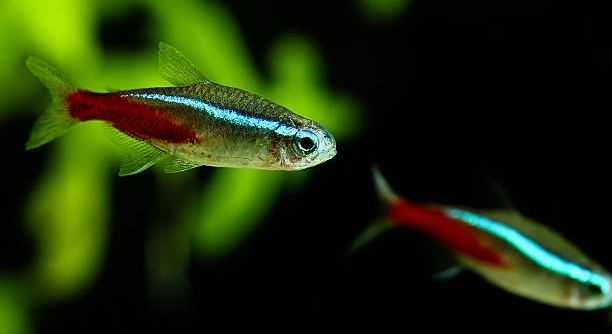
Tetras are popular aquarium fish loved for their bright colors and peaceful nature. Many people enjoy keeping them as pets and want to make sure they live long, healthy lives. Knowing what affects their lifespan is important for their care.
Several common factors can shorten a tetra’s lifespan, including poor water quality, inappropriate tank size, incorrect diet, stress from overcrowding, sudden temperature changes, lack of proper filtration, and untreated diseases. Each of these issues impacts their health and longevity significantly.
Understanding these factors can help you create a better environment for your tetras. Paying attention to these details will improve their chances of thriving in your aquarium.
Poor Water Quality
Keeping water clean is one of the most important parts of caring for tetras. Dirty water can build up toxins like ammonia and nitrites that harm your fish. Even small amounts of these chemicals cause stress, making tetras weak and more likely to get sick. Regular water changes and using a good filter help keep the water safe. Testing water for pH, hardness, and ammonia levels can also show if conditions are right. Avoid overfeeding, as leftover food can pollute the tank. When water is clean, tetras swim actively, eat well, and show bright colors. Neglecting water quality shortens their lifespan quickly.
Regular water maintenance is essential for healthy tetras.
Clean water helps tetras stay strong and resist diseases. Even slight changes in water conditions can upset their delicate balance. Maintaining stable water parameters reduces stress and improves overall health. It is best to set a schedule for partial water changes every week or two. Use a water conditioner to remove chlorine and chloramine from tap water. A well-filtered and properly cycled tank provides a safe environment where tetras can live longer and happier lives.
Incorrect Tank Size
Small tanks limit swimming space and increase stress for tetras.
A tank that is too small for your tetras reduces oxygen and makes waste buildup faster.
Tetras are active swimmers that need enough room to move freely. Crowding in a small tank leads to poor water quality and aggressive behavior. A minimum of 10 gallons is recommended for a small group, but larger tanks are better for their well-being. More space means stable water conditions and less frequent cleaning. A cramped tank can also stunt their growth and cause health problems. When tetras have enough room, they are calmer and less prone to illness. Investing in the right tank size helps create a stable environment and extends their lifespan by reducing stress and improving water quality. This simple step supports their natural behavior and overall vitality.
Incorrect Diet
Feeding tetras the wrong food can lead to poor health and shorten their lifespan.
Tetras need a balanced diet that includes high-quality flakes or pellets designed for small tropical fish. They also benefit from occasional live or frozen foods like brine shrimp or bloodworms. Feeding only one type of food can cause nutritional deficiencies and weaken their immune system. Overfeeding is another common mistake, as leftover food pollutes the tank and stresses fish. It’s better to feed small amounts twice a day and remove uneaten food promptly. A proper diet helps tetras stay energetic and colorful while supporting their overall health.
Variety in food is important to meet all their nutritional needs. Fresh foods add vitamins and minerals that dry foods may lack. Avoid feeding human food or cheap fillers that offer little nutrition. Maintaining a healthy diet will keep tetras strong and improve their chances of living longer in your care.
Stress from Overcrowding
Overcrowding causes stress, which weakens tetras’ immune systems and shortens their lifespan.
When too many fish share a small space, they compete for oxygen and hiding places. This leads to constant stress and aggressive behavior. Tetras are schooling fish and need to be kept in groups of at least six, but the tank must be large enough to support them comfortably. Overcrowding also causes rapid waste buildup, which further degrades water quality. Stress from overcrowding makes fish more vulnerable to disease and reduces their energy levels. Giving your tetras enough space and proper group size creates a peaceful environment that supports their health and longevity.
Sudden Temperature Changes
Sudden temperature changes cause stress and weaken tetras.
Tetras prefer stable water temperatures between 72°F and 80°F. Rapid shifts can shock their system and make them prone to illness.
Lack of Proper Filtration
A good filtration system keeps the water clean and healthy for tetras. Without proper filtration, waste and toxins build up quickly, harming fish. Filters help maintain oxygen levels and remove harmful substances. Choosing the right filter size and type for your tank is essential to keep the environment stable and safe. Regular filter maintenance ensures it works efficiently. A well-filtered tank supports the health and longevity of tetras by creating a balanced aquatic habitat.
Untreated Diseases
Ignoring diseases can quickly reduce tetras’ lifespan.
Early detection and treatment are key to keeping fish healthy. Watch for signs like discoloration, lethargy, or abnormal swimming. Prompt action helps prevent serious problems.
How often should I change my tetra’s water?
Regular water changes are crucial to keep your tetra healthy. Ideally, change 20-30% of the water every week. This helps remove harmful toxins like ammonia and nitrites that build up from fish waste and uneaten food. Avoid changing too much water at once, as sudden changes can stress the fish. Using a water conditioner during each change is important to neutralize chlorine and chloramine in tap water. Keeping a consistent schedule helps maintain stable water conditions, which is key to extending your tetras’ lifespan.
What is the ideal tank size for tetras?
A minimum of 10 gallons is recommended for a small group of tetras, usually around six fish. Tetras are schooling fish and need enough space to swim freely. Larger tanks help maintain better water quality and reduce stress caused by overcrowding. When you increase tank size, it becomes easier to keep water parameters stable. Remember, more fish means you need a bigger tank. A spacious environment supports their natural behavior and keeps them healthier for longer.
Can I feed my tetras human food?
Feeding human food to tetras is not recommended. Many foods meant for people contain spices, salt, or oils that can harm your fish. Tetras need a diet made for tropical fish, including flakes, pellets, and occasional live or frozen foods like brine shrimp or bloodworms. These foods provide the right nutrients for their growth and immune health. Stick to fish-specific diets to avoid nutritional imbalances and digestive problems.
How can I tell if my tetras are stressed?
Signs of stress in tetras include faded colors, hiding often, erratic swimming, and loss of appetite. Stress makes fish more prone to disease and reduces their lifespan. Causes of stress are poor water quality, overcrowding, sudden temperature changes, or aggressive tank mates. Monitoring your tetras’ behavior daily helps catch problems early. Improving tank conditions and reducing stressors will help your fish recover quickly.
Why is filtration so important for my aquarium?
Filtration removes harmful waste and toxins that build up in the tank. Without proper filtration, ammonia and nitrites can reach dangerous levels, making your fish sick. Filters also help keep the water oxygenated, which tetras need to breathe. Choosing the right filter depends on tank size and the number of fish. Cleaning and maintaining the filter regularly ensures it runs efficiently. A well-filtered tank provides a clean, healthy environment that supports longer lifespans for your tetras.
What temperature should I keep my tetra tank?
Tetras thrive in temperatures between 72°F and 80°F (22°C to 27°C). Keeping the water within this range supports their metabolism and immune system. Avoid sudden temperature changes, as they can shock your fish and increase the risk of illness. Using a reliable aquarium heater and thermometer helps maintain stable temperatures. Stability is more important than hitting a perfect number; small daily fluctuations are better than wide swings.
How do I prevent diseases in my tetra tank?
Good water quality, proper diet, and stress reduction are the best ways to prevent diseases. Quarantine new fish before adding them to the main tank to avoid introducing infections. Watch for early signs of illness like white spots, clamped fins, or unusual behavior. Treat diseases promptly with appropriate medication. Regular tank cleaning and avoiding overcrowding reduce the chance of outbreaks. Keeping a healthy environment supports your tetras’ immune system and helps them fight off infections.
Can tetras live with other fish?
Tetras are peaceful and do well with other non-aggressive species. Choose tank mates that thrive in similar water conditions and have compatible temperaments. Avoid large or aggressive fish that might bully or eat your tetras. Good tank mates include other small schooling fish or bottom dwellers like Corydoras catfish. Proper tank size and hiding places reduce stress and aggression. A well-planned community tank supports harmony and a longer lifespan for your tetras.
Taking care of tetras well means paying close attention to several important factors. These small fish need clean water, the right tank size, and a good diet to stay healthy. Poor water quality is one of the biggest problems that can shorten their lifespan. Keeping the tank clean with regular water changes and a good filter helps prevent harmful toxins from building up. Also, avoiding overcrowding gives tetras enough space to swim freely, which reduces their stress and supports their health. Stable water temperature and watching for any signs of illness are equally important to keep them thriving.
Feeding tetras a balanced diet is another key part of their care. They need food made specifically for small tropical fish, like quality flakes or pellets, along with occasional live or frozen treats. Overfeeding or feeding the wrong food can cause health issues and pollute the tank water. Keeping an eye on their behavior and appearance helps catch problems early. When tetras are not stressed and get proper nutrition, they stay more active and colorful. This shows that they are comfortable and healthy in their environment, which can help them live longer.
Overall, the best way to help tetras live a full life is to create a stable and clean environment for them. Avoid sudden changes, keep the water clean, and provide a safe, roomy tank. Pay attention to their needs and act quickly if something seems wrong. With proper care, tetras can bring beauty and calm to your home for many years. Being consistent in your routine and learning about what they need will make a big difference in their lifespan and happiness.

Hello,
If you enjoy the content that we create, please consider saying a "Thank You!" by leaving a tip.
Every little bit helps us continue crafting quality advice that supports the health, happiness, and well-being of pets around the world, for pets of all shapes, sizes, and species.
We really appreciate the kindness and support that you show us!