
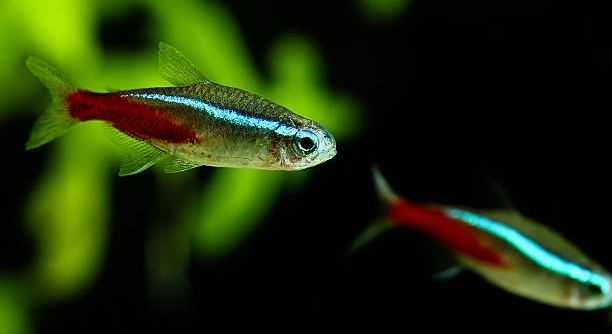
Many aquarium owners notice their tetra fish gathering at the bottom of the tank. This behavior can seem worrying, especially when the fish usually swim freely. Understanding why this happens is helpful for maintaining a healthy tank.
Tetras piling up at the bottom often indicate stress, poor water quality, or lack of oxygen. It can also signal illness or inappropriate tank conditions. Addressing these factors promptly is key to improving their environment and well-being.
Recognizing these signs early helps you create a better home for your tetras and keeps them active and healthy.
Common Reasons Tetras Stay at the Bottom
Tetras often gather at the bottom due to poor water quality or low oxygen levels. When ammonia or nitrite levels rise, it causes stress and discomfort, making fish hide or stay low. Sudden temperature changes can also shock them, pushing them to seek calmer spots near the tank floor. Sometimes, the lighting is too bright or the tank lacks hiding spots, making tetras feel unsafe. Illness or parasites might also cause lethargy and bottom-dwelling behavior. It’s important to test water parameters regularly and keep the tank clean to prevent these issues. Adjusting light and providing plants or decorations gives tetras a sense of security. Monitoring your fish daily helps you notice early signs of problems, so you can act quickly.
Stress is the main reason tetras act this way, caused by environmental or health issues.
Understanding these factors helps you keep your tetras comfortable and active in their tank.
How to Improve Their Environment
Start by checking water parameters with a reliable test kit. Keep ammonia and nitrite at zero, and nitrate levels low by performing regular water changes. Make sure the temperature is steady and fits the species’ needs, typically between 72°F and 80°F. Adding an air stone or increasing surface agitation improves oxygen levels. Create hiding spots with plants, rocks, or decorations so your tetras feel safe and less stressed. Avoid overcrowding, as too many fish raise waste and stress. Feeding them a balanced diet supports their health. Watch for signs of illness, such as clamped fins or discoloration, and treat promptly. Small changes in their environment can make a big difference in their behavior and overall well-being. Taking these steps creates a more peaceful and healthy tank for your tetras to thrive.
Tank Setup and Its Impact
Tank size matters a lot for tetras. Small tanks stress them because of limited space and poor water quality. A tank of at least 20 gallons is best for a small group.
Proper filtration keeps water clean and oxygen-rich. Filters remove waste and harmful chemicals. Without good filtration, toxins build up, stressing the fish.
Lighting should mimic their natural environment. Too bright lights make tetras nervous and cause hiding or bottom dwelling. Dim or moderate lighting with places to hide helps them feel safe and swim freely.
Diet and Feeding Habits
Tetras need a balanced diet to stay healthy. Feeding them high-quality flakes, frozen, or live foods gives essential nutrients. Avoid overfeeding because leftover food pollutes the water and causes health problems.
Feed small amounts twice a day to prevent uneaten food buildup. A varied diet supports their immune system and energy levels. Watch how much your fish eat to adjust portions.
Poor nutrition weakens tetras and can cause lethargy or staying at the bottom. Providing a good diet and feeding routine helps keep their behavior normal and their bodies strong.
Recognizing Illness in Tetras
Illness often causes tetras to stay at the bottom. Look for signs like faded colors, clamped fins, or slow movements. Early detection helps prevent serious problems.
If several fish show symptoms, quarantine them to stop the spread. Treatment depends on the illness, so proper diagnosis is important.
Testing and Maintaining Water Quality
Regular water testing is crucial for healthy tetras. Use test kits to check ammonia, nitrite, nitrate, pH, and temperature levels. Keeping these stable reduces stress and illness risks. Test water weekly, or more often if issues arise. Proper maintenance and monitoring create a safe environment where tetras thrive and behave normally.
Social Behavior of Tetras
Tetras are schooling fish that feel safer in groups. If kept alone or in small numbers, they may become stressed and stay at the bottom. A group of six or more helps them feel secure and active.
FAQ
Why are my tetras hiding at the bottom of the tank?
Tetras often hide at the bottom when they feel stressed, scared, or unwell. Stress can come from poor water quality, sudden temperature changes, or bright lighting. Illness or injury can also cause them to stay low. Providing a calm environment with proper water conditions helps them feel safe and active.
How often should I change the water in my tetra tank?
Changing 20-30% of the water once a week is ideal for most tetra tanks. This helps remove waste, toxins, and keeps the water fresh. Avoid large water changes all at once, as this can shock the fish. Regular partial changes maintain a stable, healthy environment.
Can overcrowding cause tetras to stay at the bottom?
Yes, overcrowding increases waste and stress, which lowers oxygen levels and water quality. This makes tetras uncomfortable and more likely to hide. Keep your tank stocked within recommended limits to ensure enough space and better water conditions.
What water temperature do tetras prefer?
Tetras thrive in temperatures between 72°F and 80°F (22°C to 27°C). Temperature swings or water that is too cold or too hot can stress them. Use a reliable aquarium heater and thermometer to maintain steady, suitable temperatures.
How do I know if my tetras are sick?
Look for symptoms like clamped fins, faded colors, lack of appetite, erratic swimming, or gasping at the surface. Lethargy and staying at the bottom more than usual are also signs. Early treatment can prevent illness from worsening.
Is it normal for tetras to rest at the bottom sometimes?
Yes, tetras do rest near the bottom occasionally. However, if they stay there for long periods or show signs of distress, it usually means there is a problem with their environment or health.
What should I feed my tetras?
Feed tetras a varied diet of high-quality flakes, pellets, frozen, or live foods like brine shrimp or bloodworms. This ensures they get all necessary nutrients. Avoid overfeeding, as uneaten food can pollute the tank.
How many tetras should be kept together?
Tetras are social fish and should be kept in groups of at least six. Being in a group reduces stress and encourages natural schooling behavior, keeping them active and healthy.
Can lighting affect tetra behavior?
Yes, very bright lighting can stress tetras, causing them to hide or stay near the bottom. Moderate or dim lighting with shaded areas helps them feel safe. Plants and decorations provide cover, making them more comfortable.
What role does tank decoration play?
Plants, rocks, and hiding spots reduce stress by offering shelter and breaking the line of sight. This encourages natural behavior and helps tetras feel secure, which can reduce bottom-dwelling and lethargy.
How do I increase oxygen in the tank?
Use an air stone, filter with good surface agitation, or increase water movement to improve oxygen levels. Healthy oxygen levels prevent stress and encourage tetras to swim actively rather than stay at the bottom.
Why are my tetras gasping at the surface?
Gasping indicates low oxygen or poor water quality. Check for adequate aeration and filtration, and test water parameters. Fixing these issues quickly prevents harm and improves their comfort.
Can tank mates cause stress to tetras?
Yes, aggressive or large fish can scare tetras, making them hide at the bottom. Choose peaceful tank mates that coexist well with tetras to keep the environment calm and stress-free.
How do I quarantine new tetras?
Set up a separate tank and keep new fish isolated for 2-3 weeks. This prevents disease from spreading to your main tank. Monitor their health and only add them once they appear healthy.
Is frequent swimming at the bottom a sign of boredom?
Tetras need stimulation and space to swim freely. A bare or small tank can lead to boredom and stress. Providing enough space, decorations, and companions keeps them engaged and active.
What are common diseases affecting tetras?
Common diseases include ich, fin rot, and fungal infections. These cause lethargy, color loss, or damaged fins. Proper water quality and quick treatment reduce the risk of serious illness.
How important is regular tank cleaning?
Cleaning the tank regularly removes waste and harmful bacteria. It prevents toxic buildup that causes stress and disease. Routine maintenance keeps tetras healthy and prevents them from staying at the bottom due to poor conditions.
What should I do if my tetras suddenly start behaving differently?
Check water quality, temperature, and tank conditions first. Look for signs of illness or stress. Make any needed changes immediately and consider consulting an expert if problems persist.
How do I maintain a stable pH for tetras?
Tetras prefer a pH between 6.0 and 7.5. Use test kits to monitor pH levels and avoid sudden changes by making small, gradual adjustments. Stable pH helps reduce stress and supports good health.
Can improper feeding times affect tetra behavior?
Yes, feeding too much or irregularly can upset their routine and water quality. Feed small amounts twice daily at consistent times to keep fish comfortable and reduce stress.
Are there natural ways to calm stressed tetras?
Adding live plants and gentle water flow mimics their natural habitat, helping them relax. Soft lighting and quiet surroundings also reduce stress. Creating a peaceful tank environment encourages normal behavior.
Final Thoughts
Keeping tetras healthy and active means paying attention to their environment and needs. When you notice them piling up at the bottom of the tank, it is usually a sign that something is wrong. This behavior often points to stress caused by water quality issues, temperature changes, or lack of oxygen. Sometimes, illness or injury may also be the reason. Understanding these signals early on helps you act quickly to improve the conditions for your fish. Regular water testing, proper filtration, and maintaining a steady temperature are key steps to keep the tank healthy.
Another important part of caring for tetras is providing the right tank setup. This includes having enough space, proper lighting, and places to hide. Tetras feel safer when they have plants, rocks, or decorations where they can retreat if they feel threatened. A tank that is too small or too bright can cause stress, making your fish stay at the bottom more often. Also, keeping tetras in groups of six or more supports their natural schooling behavior, reducing anxiety and encouraging them to swim more freely.
Feeding your tetras a balanced diet and not overfeeding is just as important. Overfeeding can lead to leftover food that pollutes the water, increasing stress and illness risks. Watch your fish to understand how much food they need and feed them small amounts twice a day. When you keep these factors in mind—clean water, proper tank setup, and good nutrition—you create an environment where your tetras can thrive. Paying attention to their behavior and needs will help you enjoy a beautiful and lively aquarium for a long time.

Hello,
If you enjoy the content that we create, please consider saying a "Thank You!" by leaving a tip.
Every little bit helps us continue crafting quality advice that supports the health, happiness, and well-being of pets around the world, for pets of all shapes, sizes, and species.
We really appreciate the kindness and support that you show us!