
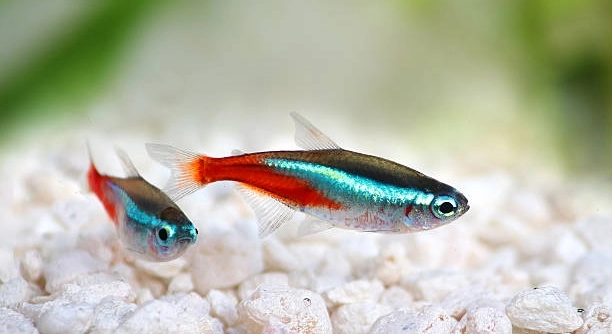
Are your tetras suddenly ignoring their food and leaving you puzzled? Changes in their eating habits can signal various issues that affect their health and environment. Understanding these causes is key to maintaining a healthy aquarium.
Tetras may stop eating due to factors such as poor water quality, stress, illness, improper diet, tank mates, temperature fluctuations, or natural behavior changes. Identifying and addressing these problems helps restore their appetite and overall wellbeing.
Recognizing the reasons behind their refusal to eat can improve your care routine and keep your tetras thriving in their aquatic home.
Poor Water Quality and Its Effects
Water quality is one of the most important factors affecting tetra health. If the water in the tank is dirty or has the wrong chemical balance, tetras may stop eating. High levels of ammonia, nitrites, or nitrates can stress the fish and cause illness. Even if the water looks clear, harmful substances may be present. Testing the water regularly helps identify issues before they become serious. Changing water too often or using untreated tap water can also upset the balance, making tetras avoid food. Keeping the tank clean and maintaining stable water parameters promotes a healthy environment where tetras feel safe to eat.
Regular water changes and proper filtration keep toxins low and oxygen levels high, supporting your fish’s appetite.
Keeping track of water conditions is a small task that pays off. Using water test kits and changing 20-30% of the water weekly can prevent many feeding problems. Adjusting temperature and pH to suit tetras also encourages normal eating habits. Simple steps like these improve the overall health of your aquarium and your fish’s willingness to eat.
Stress and Tank Environment
Stress from overcrowding, aggressive tank mates, or sudden changes can make tetras stop eating.
Stress affects fish behavior and immune function, often leading to loss of appetite. Avoid overcrowding by keeping only the recommended number of tetras per tank size. Adding hiding spots and plants gives them places to retreat and feel secure. Observe fish interactions to identify if any aggressive species cause anxiety. Sudden changes in light, temperature, or decorations can also stress tetras. Introducing new fish slowly and monitoring water parameters help reduce stress. A calm, stable environment is key to encouraging tetras to eat regularly and stay healthy.
Illness and Parasites
Illness can cause tetras to lose interest in food. Parasites, bacterial infections, or fungal diseases affect their health and appetite.
Common signs include lethargy, clamped fins, spots, or unusual swimming. Quarantining new fish and maintaining good water quality reduce risks. Prompt treatment with appropriate medication is important to restore health and appetite.
Ignoring symptoms can lead to severe health decline or death. Regular observation helps catch illness early. Providing a balanced diet supports the immune system, helping tetras fight infections more effectively. Preventive care is the best way to avoid feeding problems caused by illness.
Improper Diet and Feeding Habits
Feeding tetras the wrong food or overfeeding often causes them to refuse meals. They need a varied diet including flakes, pellets, and occasional live or frozen foods for balanced nutrition.
Overfeeding leads to leftover food that pollutes water and stresses fish. Small, frequent feedings are better than large, irregular ones. Removing uneaten food quickly prevents water quality issues that reduce appetite.
Feeding at consistent times helps tetras develop a routine. Avoid sudden diet changes, which can cause refusal to eat. A balanced, consistent diet improves health and keeps them interested in their meals. Proper feeding habits reduce many common issues linked to food refusal.
Temperature Fluctuations
Tetras are sensitive to changes in water temperature. Sudden shifts can stress them and reduce their appetite.
Maintaining a stable temperature around 74–80°F helps keep tetras comfortable and willing to eat.
Aggressive Tank Mates
Some fish may bully tetras, making them too stressed to eat. Aggressive behavior causes fear and hiding, which interrupts feeding times.
Separating aggressive fish or choosing peaceful tank mates creates a safer environment where tetras can feed calmly.
Natural Behavior Changes
Tetras sometimes eat less during breeding or molting periods. This is a normal part of their life cycle and usually temporary.
Understanding these patterns helps avoid unnecessary worry while ensuring their environment supports recovery.
FAQ
Why are my tetras not eating but still active?
Sometimes, tetras may stay active but refuse food because they are stressed or adjusting to new tank conditions. They might be dealing with mild water quality issues or changes in temperature that make them less interested in eating. Check water parameters and ensure stable conditions. If everything seems fine, the lack of appetite might be temporary and related to natural behavior or slight discomfort.
How long can tetras go without eating?
Healthy tetras can usually go without food for up to a week without serious harm. However, extended periods without eating weaken their immune system and make them more vulnerable to disease. It’s important to find and fix the cause of their refusal to eat rather than waiting for them to resume feeding on their own.
Can I feed my tetras only flakes?
While flakes are convenient and commonly used, feeding only flakes can lead to nutritional gaps. Tetras benefit from a varied diet that includes flakes, pellets, and occasional live or frozen foods like brine shrimp or bloodworms. Variety supports their health, enhances color, and stimulates appetite.
Is overfeeding harmful to tetras?
Yes, overfeeding causes leftover food to decay, polluting the tank and reducing water quality. This stresses the fish and can cause them to lose interest in eating. It also increases the risk of obesity and digestive problems. Feed small portions that tetras can finish in two minutes, once or twice daily.
Could new tank decorations cause tetras to stop eating?
Sudden changes in the tank, including new decorations, can stress tetras, making them less likely to eat. Fish need time to adjust to new surroundings. Avoid making many changes at once, and observe their behavior after any modification. Provide hiding spots to help reduce stress.
How do I know if my tetras are sick?
Signs of illness include faded color, clamped fins, unusual spots, lethargy, rapid breathing, or erratic swimming. Loss of appetite often accompanies these symptoms. If you notice any, test water quality and consider quarantining the affected fish. Early treatment improves recovery chances.
Can temperature cause feeding problems?
Yes, tetras are sensitive to temperature changes. Water too cold or too warm can slow their metabolism and reduce appetite. Maintain a stable temperature between 74 and 80°F for best results. Use a reliable heater and thermometer to avoid fluctuations.
Are tetras finicky eaters?
Tetras are generally not picky but may refuse food if stressed, sick, or uncomfortable. They prefer small, frequent feedings of varied food types. Offering new foods gradually can encourage them to eat when appetite decreases.
How do I encourage my tetras to eat again?
Improve water quality by performing partial water changes. Feed small amounts of high-quality, varied foods. Reduce stress by ensuring peaceful tank mates and stable environment. If illness is suspected, treat promptly. Patience is key, as appetite often returns with better conditions.
Can tank mates affect my tetras’ eating habits?
Yes, aggressive or territorial fish can intimidate tetras, causing them to hide and avoid food. Choosing peaceful companions and providing enough space reduces stress and promotes normal feeding behavior. Separate aggressive fish if necessary to protect tetras.
Is it normal for tetras to eat less sometimes?
Yes, changes like breeding, molting, or seasonal shifts can temporarily reduce their appetite. This is usually brief and does not indicate a problem if they remain active and healthy otherwise. Keep monitoring water quality and tank conditions to support them.
What is the best way to introduce new food to tetras?
Introduce new foods slowly and in small amounts to prevent waste and digestive upset. Mix new items with familiar food to encourage acceptance. Observe their reaction and remove uneaten portions quickly to maintain water quality.
How often should I clean my tetra tank?
Regular cleaning is essential. Partial water changes of 20-30% weekly help remove waste and toxins without shocking fish. Clean filters as recommended by the manufacturer. Avoid deep cleanings that disrupt beneficial bacteria, which help maintain a healthy tank environment.
Can poor lighting affect my tetras’ appetite?
Yes, inappropriate lighting can stress fish and alter their natural behavior, including feeding. Tetras need a regular day-night cycle with moderate lighting. Too bright or too dim light can cause discomfort and reduce appetite.
Are there specific signs to watch for when tetras stop eating?
Look for behavioral changes such as hiding, lethargy, loss of color, or gasping at the surface. These signs often indicate health or environmental problems causing appetite loss. Early detection and action prevent serious issues.
Final Thoughts
When tetras stop eating, it is often a sign that something in their environment or health is off balance. Paying close attention to water quality is crucial since poor conditions can quickly affect their appetite. Regular testing and water changes help maintain a stable and clean home for your fish. Alongside this, a stable temperature and the right tank setup can make a big difference in how comfortable your tetras feel. Small details like avoiding overcrowding and choosing peaceful tank mates can reduce stress, which often plays a big role in appetite loss.
Feeding practices are just as important as the tank conditions. A varied diet that includes flakes, pellets, and occasional live or frozen foods helps provide the nutrients tetras need to stay healthy and interested in their meals. Overfeeding can cause water pollution and health problems, so it’s better to feed small amounts multiple times a day rather than one large feeding. Consistency in feeding times also supports healthy habits. If you notice changes in their eating, adjusting the diet or feeding routine may help encourage them to eat again.
Health issues such as illness or parasites can also cause tetras to stop eating. Early detection of symptoms like changes in behavior, color, or activity level allows for quicker treatment and recovery. Maintaining quarantine procedures for new fish and good tank hygiene reduces the chances of disease spreading. Understanding that tetras might also eat less during natural behavior changes, like breeding, helps prevent unnecessary concern. By combining proper care, attention to environment, and good feeding habits, you can help your tetras stay healthy and maintain a normal appetite.

Hello,
If you enjoy the content that we create, please consider saying a "Thank You!" by leaving a tip.
Every little bit helps us continue crafting quality advice that supports the health, happiness, and well-being of pets around the world, for pets of all shapes, sizes, and species.
We really appreciate the kindness and support that you show us!