
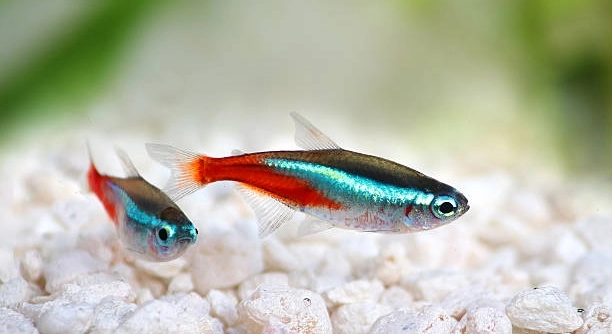
Are your tetras spending more time hiding than swimming freely around their tank, making your aquarium feel a little too quiet?
The most effective way to make tetras less shy is by creating a safe and enriching environment. This includes proper tank setup, consistent lighting, calm tank mates, and plenty of plant cover to reduce stress and encourage natural behavior.
These tricks can help your tetras feel more secure and confident, leading to a livelier, more interactive tank environment.
Add More Hiding Spots
Tetras feel safer when they have places to hide. Adding live or artificial plants, caves, or small decorations helps them feel secure. When they know they can retreat if needed, they are more likely to explore openly. Dense plants in the corners and some low-cover areas in the center can encourage gentle movement throughout the tank. Choose broad-leaf plants or fine-leaf varieties like hornwort or java moss. Arrange hiding spots across the tank to break up open space and provide visual barriers. This also reduces the chance of territorial stress among tank mates. A well-planted aquarium also mimics the natural rivers tetras come from. When the environment feels familiar and calm, their shy behavior usually improves. You don’t need an expensive setup—simple additions can go a long way. Check that decor pieces have no sharp edges to prevent injuries. Keep decorations clean and free from algae buildup or debris.
Smaller, more timid tetras may respond best to dense cover, while larger or more confident ones may need only light hiding spots.
Over time, you may notice they swim more freely in open areas because they feel secure knowing shelter is nearby. This habit gradually encourages confidence in their surroundings.
Choose Calm Tank Mates
Aggressive or overly active fish can easily overwhelm shy tetras and keep them hiding most of the day.
Always choose tank mates that match tetras’ gentle temperament. Good options include rasboras, peaceful guppies, or small bottom dwellers like corydoras. Avoid fast chasers or fin-nippers, as these will create constant stress. Tank mates that respect swimming space help reduce anxiety in tetras. If the tank is too lively, shy tetras retreat more often and their colors can fade. Adding a peaceful group can encourage natural schooling behavior and make them feel safe. Tetras thrive in groups of at least six of their own kind, and adding compatible fish helps support their confidence. A calm, well-balanced community encourages tetras to swim in open water. Always research new additions carefully before placing them in the tank. Sudden introductions or large, unpredictable fish disrupt the quiet environment shy fish prefer. Keep feeding times relaxed and consistent to avoid sudden activity spikes.
Keep Lighting Soft and Steady
Bright, harsh lights can make tetras nervous and encourage them to hide. Use soft, low-intensity lighting to mimic their natural habitat. Consistent light schedules also help them feel more relaxed and behave confidently.
Sudden changes in lighting can startle tetras, especially if they’re already shy. Keep lights on a timer to simulate a natural day-night rhythm. Aim for 8 to 10 hours of gentle lighting each day. Floating plants or tall decorations help diffuse brightness and reduce glare. If your tank has strong lighting for plant growth, consider using dimmable LEDs or placing plants to create shaded areas. Gradual transitions, such as using a sunrise/sunset feature, can reduce stress. With a calm lighting setup, tetras are more likely to swim out in the open. Stable lighting paired with shelter makes a big difference in reducing hiding behavior.
Soft lighting brings out tetras’ colors and makes their movements more visible. Once they feel safe, they’ll begin schooling in brighter spots. A relaxed lighting environment paired with hiding spots offers both comfort and visibility. This combination supports their natural activity patterns. As they adjust, you may even catch them displaying playful swimming behavior in gentle beams of light.
Keep the Tank Quiet
Too much noise or vibration around the tank can keep tetras hiding. Placing the tank in a quiet spot helps them stay calm and less reactive. Avoid setting the tank near speakers, slamming doors, or high-traffic areas with frequent movement.
Tetras are sensitive to vibrations and sudden movement, both inside and outside their tank. Loud televisions, nearby pets, or busy walkways can make them feel unsafe. Try placing the tank in a low-traffic room with steady lighting and limited disturbances. If your filter causes strong water movement or vibration, choose a quieter model or place padding underneath the tank. Keep feeding and maintenance routines gentle and consistent. Even tapping on the glass or adjusting tank items too often can disrupt their comfort. Over time, a calm setting allows them to relax and become less skittish. Creating a peaceful space makes a visible difference in their confidence and swimming patterns.
Maintain Stable Water Conditions
Tetras become stressed when water parameters fluctuate. Keep the temperature between 74–80°F, and monitor pH, ammonia, nitrite, and nitrate levels regularly. Use a reliable heater and test kits to avoid sudden changes that might make them hide.
Consistent weekly water changes help maintain healthy conditions. Remove 20–30% of the water each time and clean the substrate gently.
Feed Them at the Same Time Daily
Feeding at the same time each day helps tetras feel secure. Routine reduces anxiety and encourages them to come out of hiding during mealtime. Stick to small portions, and make sure uneaten food is removed to keep the water clean.
Avoid Overcrowding
Too many fish in one tank causes stress and limits swimming space. Overcrowding also leads to more waste, making it harder to keep water clean. Keep a balanced number of fish so tetras can swim freely without constant competition.
FAQ
Why are my tetras always hiding, even after a few weeks?
Tetras may continue to hide if they still feel unsafe or stressed. This can be due to aggressive tank mates, sudden changes in lighting, or unstable water conditions. Even loud noise outside the tank or high foot traffic can affect their behavior. Make sure the tank has plenty of hiding spots and a calm environment. If they are housed alone or in a very small group, they may not feel confident. Tetras are schooling fish, and they feel most secure in groups of six or more. Give them time to adjust while keeping the setup consistent.
How long does it take for shy tetras to feel comfortable?
It usually takes about one to three weeks for tetras to adjust, depending on the tank setup and surrounding environment. If they’re kept in groups, have enough shelter, and aren’t being harassed by other fish, they settle in faster. Gentle lighting and a quiet location also help reduce stress. Avoid sudden changes like moving decorations or adding new tank mates during this adjustment time. Let them grow used to your presence as well by moving slowly around the tank. Some may come out sooner, while others take longer to build confidence.
Can adding more tetras help reduce shyness?
Yes, tetras are social and feel safer in larger groups. A group of at least six helps them school naturally and boosts their confidence. When tetras are kept in small numbers, they may feel exposed and hide more often. In a proper group, they communicate and follow each other’s behavior. If one feels safe, the others usually follow. A bigger group also spreads out any nervous energy, so no single fish carries all the stress. Be sure the tank size supports the group comfortably, and avoid overcrowding by balancing numbers with space.
Do tetras need total darkness at night to feel secure?
Tetras benefit from darkness at night, as this mirrors their natural rhythm. Constant lighting can stress them and disrupt their sleep cycle. Use a timer to turn off the tank lights after about 8–10 hours of daytime exposure. Some aquarists also use a small amount of ambient room light in the evening so the tank doesn’t go suddenly dark, which can startle them. But overall, complete darkness helps tetras rest and feel safe. Avoid shining lights directly at the tank during night hours, as this can disturb them.
Are certain tetra species more shy than others?
Yes, some species like neon tetras and ember tetras are more prone to hiding compared to others like black skirt tetras or bleeding heart tetras. Personality also varies within a group. Smaller species often prefer more plant cover and calm surroundings. Shyness can also depend on past tank experiences, tank mates, and how the tank is set up. If you notice persistent hiding, focus on creating a peaceful, steady environment. Even the shyer species will come out more once they feel safe.
What should I avoid doing if my tetras are hiding a lot?
Avoid tapping on the glass, moving decorations too often, or changing water conditions suddenly. These actions can increase stress and make tetras more skittish. Don’t add fast or aggressive fish, and avoid placing the tank in noisy areas. Limit changes to one thing at a time and give them space to adjust. Also, avoid overfeeding, as excess food can decay and affect water quality. Keeping the environment predictable and calm helps tetras feel confident enough to swim freely. Consistency is key to reducing their shy behavior long-term.
Final Thoughts
Helping tetras feel more comfortable in their tank takes time and patience. These small fish are naturally shy, especially when they are new to a space or kept alone. By providing the right setup—soft lighting, calm surroundings, hiding spots, and stable water—you create a space where they feel safe. Even small changes can have a big effect on their behavior. A peaceful tank helps them settle in and show more of their natural movements. Over time, they may begin to swim more openly, interact with other fish, and display brighter colors. Once they feel secure, tetras become active and enjoyable to watch.
It’s important to keep your tank calm and consistent. Avoid loud noises, strong lights, or quick movements near the tank. Add gentle tank mates and keep a good-sized group of tetras to encourage schooling. Maintain a regular schedule for feeding and cleaning. When things stay the same day to day, tetras build trust in their environment. This helps reduce fear and hiding. Even though they may still look for shelter now and then, you’ll likely notice them becoming more curious and active with time. Confidence builds slowly, but it lasts when they feel supported by their surroundings.
Shyness in tetras is normal, especially in the beginning. But it doesn’t have to last. With the right care, your tetras can grow into confident, active swimmers. It’s rewarding to see them thrive after just a few simple changes. Whether you’re new to fishkeeping or have kept tetras for a while, taking small steps to improve their comfort makes a big difference. Every fish reacts differently, so be patient and observant. The more time you spend watching and adjusting their tank with care, the better they’ll respond. A calm, balanced tank brings out the best in tetras—and makes your aquarium a more enjoyable space for you as well.

Hello,
If you enjoy the content that we create, please consider saying a "Thank You!" by leaving a tip.
Every little bit helps us continue crafting quality advice that supports the health, happiness, and well-being of pets around the world, for pets of all shapes, sizes, and species.
We really appreciate the kindness and support that you show us!