
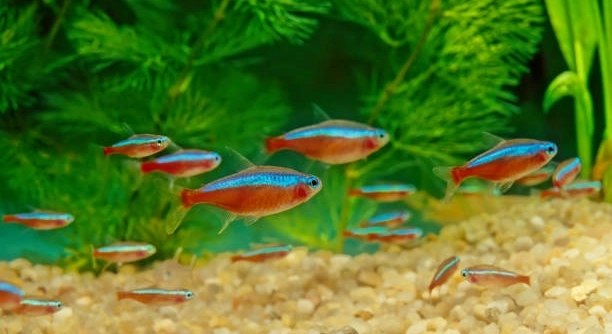
Many aquarium owners notice their tetra fish digging holes in the substrate and wonder why this behavior happens. It can seem unusual since tetras are not typically known for digging. Understanding this behavior helps create a better environment for your fish.
Tetras dig holes in the substrate primarily to explore their surroundings, search for food, and establish territory. This behavior is a natural part of their instincts and can indicate that the tank environment encourages such activity.
Learning why your tetras behave this way can improve how you care for them. Knowing the reasons behind their digging can help maintain a healthy and comfortable tank for your fish.
Reasons Tetras Dig in the Substrate
Tetras digging in the substrate is mostly related to their natural instincts. These fish often search for leftover food particles buried in the gravel or sand. Digging can also be a way to create small spaces for hiding or resting. In some cases, it’s a form of exploration as they get familiar with their environment. If your tank has live plants or decorations, digging might be an attempt to rearrange or clear areas around roots or rocks. Additionally, tetras can be more active diggers if the substrate is soft or fine, making it easier to move around. Sometimes, they also dig when preparing a spot to lay eggs, although this behavior varies by species. The key point is that digging is a normal activity that helps tetras stay comfortable and engaged in their habitat. Observing this can tell you a lot about their current tank setup and how it meets their needs.
Digging behavior is usually harmless unless it causes damage to plants or disturbs tank decorations.
By understanding why tetras dig, you can adjust the tank environment to reduce excessive digging. For example, offering a varied diet ensures they don’t search for food in the substrate constantly. Using a firmer substrate can discourage digging if it becomes destructive. Providing plenty of hiding spots and decorations can keep them occupied and less likely to dig. Regular tank maintenance and cleaning also remove leftover food, minimizing their need to dig for snacks. If breeding is the reason, offering a separate breeding tank with appropriate substrate can help. These small changes help maintain a balanced environment and keep your tetras comfortable and healthy.
Substrate Types and Their Impact
Soft substrates encourage digging more than hard ones.
Choosing the right substrate plays a big role in your tetras’ digging habits. Fine sand or small gravel is easier for them to move, which often invites more digging. Coarser substrates can limit this behavior by making digging physically harder. Some aquarium owners use smooth river stones or larger pebbles to reduce digging activity. The substrate also affects water quality and plant health, which can indirectly influence fish behavior. For instance, nutrient-rich substrates support live plants better, creating natural hiding places that discourage digging. It’s important to pick a substrate that balances aesthetic appeal, plant growth needs, and the natural behaviors of your fish. Testing different substrate options may help you find what works best for your tank and your tetras’ comfort. Adjusting the substrate can also improve overall tank stability, making it a better home for your aquatic pets.
How Tank Setup Influences Digging
Tank size affects how much space tetras have to explore and dig. A small tank can make them restless, leading to more digging.
The layout inside the tank also plays a role. If there are few hiding spots or decorations, tetras may dig more out of boredom or to create their own spaces. Adding plants, rocks, or caves provides places for them to feel safe and less likely to disturb the substrate. Also, uneven substrate levels can encourage digging, as tetras try to smooth or adjust the area. Adjusting these elements can reduce digging and improve fish comfort.
Water quality is another factor. Dirty or poorly maintained water can stress fish, causing unusual behaviors like excessive digging. Keeping water clean and stable is important to limit digging caused by stress. Proper filtration and regular water changes help maintain a healthy environment that discourages this behavior.
Breeding and Digging Behavior
During breeding, tetras often dig to prepare nests or clear spaces for eggs. This behavior is natural and temporary.
Tetras may dig more actively if they are ready to spawn, as they try to create a safe spot for their eggs in the substrate. Males sometimes dig to impress females or defend a chosen area. This digging usually decreases after spawning is complete. If breeding is your goal, providing a soft substrate and calm environment helps support this process. Observing your fish closely during this time will show changes in their behavior. After the eggs hatch, digging should lessen as the parents focus on caring for the young or returning to normal tank activity.
Feeding Habits and Digging
Tetras often dig in search of food left in the substrate. Uneaten flakes or pellets encourage this behavior.
Feeding smaller amounts more frequently can reduce digging caused by hunger or searching for food.
Stress and Environmental Factors
Stress can trigger digging as a coping mechanism. Changes in water parameters, tank mates, or lighting may cause this.
Providing stable water conditions and a peaceful environment helps minimize stress-related digging and keeps tetras calm.
Monitoring Digging Behavior
Keep an eye on your tetras’ digging patterns. Sudden increases might signal a problem with tank conditions.
Regular observation allows you to respond quickly to any issues affecting their well-being.
When to Be Concerned
Excessive digging that damages plants or disturbs the tank may need intervention.
Adjusting tank setup or consulting an expert can prevent further problems.
FAQ
Why do my tetras dig more at night?
Tetras are naturally more active during low light conditions. At night, they may dig in the substrate to search for leftover food or create safe spots to rest. The dim lighting encourages their natural behavior without the stress of bright lights. This digging is usually harmless and part of their normal routine.
Is it normal for all tetra species to dig?
Not all tetra species dig equally. Some, like the black skirt tetra or neon tetra, may dig occasionally, mostly to search for food. Others rarely show this behavior. Differences in natural habitat and temperament explain why digging varies among species. Observing your specific tetras helps determine if their digging is typical.
Can digging harm my aquarium plants?
Yes, digging can uproot or damage live plants, especially those with shallow roots. Tetras moving the substrate may disturb roots or bury leaves. To protect plants, use heavier substrates, plant species with strong root systems, or place decorations to block digging areas. This helps keep plants stable while allowing fish to behave naturally.
How can I reduce digging without stressing my fish?
Providing a balanced diet prevents tetras from searching the substrate for food. Adding hiding spots and decorations offers stimulation and security. Choosing a firmer substrate makes digging harder. Maintaining good water quality reduces stress. Small changes like these discourage excessive digging while keeping fish comfortable and healthy.
Does substrate type affect digging?
Yes, soft substrates like fine sand encourage digging because they are easy to move. Coarser gravel or larger pebbles make digging more difficult, reducing the behavior. Selecting a substrate that balances aesthetics and function can influence how much your tetras dig and help manage this natural behavior.
Can digging be a sign of illness?
While digging is usually normal, sudden excessive digging can signal stress or illness. Poor water conditions or parasites might cause restless behavior. If digging increases alongside other signs like lethargy, loss of appetite, or unusual swimming, check water quality and consult an expert if needed.
Will adding more fish reduce digging?
Adding more fish may not stop digging and can increase stress or competition if the tank is overcrowded. It’s better to focus on enriching the environment with plants and hiding spots. Ensuring enough space for each fish helps maintain balance and reduces unwanted behaviors.
Is digging related to breeding in all tetras?
Only some tetra species dig during breeding to prepare egg-laying sites. Not all show this behavior. If breeding is intended, providing appropriate substrate and a quiet space supports natural digging. Otherwise, digging during breeding is temporary and should decrease after spawning.
How often should I clean the substrate to manage digging?
Regular cleaning prevents food buildup that encourages digging. Vacuuming the substrate during water changes every one to two weeks keeps the tank clean. Avoid over-cleaning to preserve beneficial bacteria. Proper maintenance balances cleanliness and fish comfort.
Can decorations prevent digging?
Decorations like rocks, caves, and plants create physical barriers that reduce digging areas. They also provide hiding spots, which lowers boredom and territorial digging. Using sturdy decorations that can’t be easily moved helps keep the substrate intact. This supports natural behavior without damage to the tank setup.
Tetras digging in the substrate is a common behavior that many aquarium owners notice. This activity usually comes from their natural instincts to explore, search for food, or create small hiding places. Digging is not always a sign of a problem; in fact, it shows that the fish are active and interacting with their environment. Understanding why your tetras dig helps you provide better care and create a tank that meets their needs. By paying attention to their behavior, you can learn a lot about how comfortable and healthy your fish are.
The environment you create for your tetras plays a big role in how much they dig. Factors like the type of substrate, tank size, and decorations all affect their behavior. Soft sand or fine gravel invites more digging, while larger pebbles make it harder for fish to move the substrate. Having enough hiding spots and plants can reduce digging by making your fish feel safe and entertained. Also, maintaining good water quality and feeding your tetras properly keeps them healthy and less likely to dig excessively. These simple adjustments can keep your tank balanced and comfortable for your fish.
If digging becomes too much and starts to damage plants or disturb the tank, it may be time to make changes. Sometimes digging increases during breeding, or it might be caused by stress or boredom. Observing your tetras closely helps you understand when their behavior is normal and when it needs attention. Remember, digging is part of their natural instincts, so the goal is not to stop it completely but to manage it in a way that keeps both your fish and your tank happy. With careful care and a good setup, your tetras can enjoy their home while you enjoy watching their interesting behavior.

Hello,
If you enjoy the content that we create, please consider saying a "Thank You!" by leaving a tip.
Every little bit helps us continue crafting quality advice that supports the health, happiness, and well-being of pets around the world, for pets of all shapes, sizes, and species.
We really appreciate the kindness and support that you show us!