
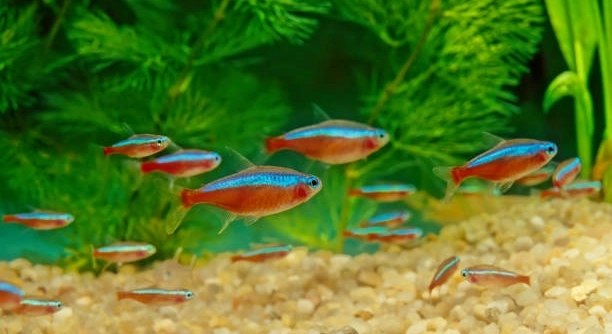
Tetras are popular small fish kept in home aquariums. Many fishkeepers wonder how well tetras get along with other tank mates. Understanding their behavior helps create a peaceful community tank environment for everyone.
Tetras generally bond well with other peaceful fish species in community tanks. Their schooling nature encourages social interaction, but compatibility depends on tank conditions, species temperament, and adequate space to reduce stress and aggression.
Knowing these facts will help you maintain a calm and healthy aquarium where your tetras and tank mates thrive together comfortably.
Why Tetras Prefer Schooling
Tetras naturally swim in groups called schools. This behavior helps them feel safer and less stressed. When kept alone or with too few tank mates, they may become shy or stressed. Stress can lead to illness or unusual behavior. Keeping at least six tetras together helps them stay active and healthy. They communicate with each other through small movements and color changes, which is easier when they are in a group. Schooling also helps tetras avoid predators in the wild, so it is an instinctive behavior they keep in aquariums. When they swim together, they create a calming effect that spreads through the tank. This peaceful presence encourages other non-aggressive fish to interact with them. Tank mates that do not disrupt their schooling will make the tank a more harmonious place for all fish.
Tetras’ schooling is essential for their well-being and social needs in captivity.
Tetras swimming in schools create a lively, peaceful aquarium scene. This natural behavior not only reduces their stress but also helps maintain clear social signals. It’s important to provide enough space for their group, so they can move freely and avoid overcrowding. When tetras school, they form a visual barrier that can deter aggressive fish. Choosing calm tank mates helps maintain this balance and prevents disruption. Observing a healthy tetra school can be one of the most enjoyable parts of fishkeeping, showing the natural behavior these small fish are meant to display.
Tank Mates That Work Well with Tetras
Tetras do best with peaceful, small to medium-sized fish that won’t compete aggressively for food or space.
Ideal tank mates include Corydoras catfish, small rasboras, and dwarf gouramis. These fish share similar water needs and calm temperaments. Avoid large or aggressive species that might bully or eat tetras. Fish like angelfish or cichlids can be too dominant in many community tanks. Instead, choose species that enjoy similar water conditions—soft to moderately hard water and temperatures between 72°F and 80°F. It’s also important to consider swimming levels: bottom dwellers like Corydoras won’t interfere with tetras that swim in the middle levels of the tank. Providing plenty of hiding spots and plants helps reduce stress for all fish and keeps the tank balanced. By choosing the right companions, tetras can thrive and display their best behaviors.
How to Introduce New Tank Mates
Introducing new fish slowly helps prevent stress and aggression. Quarantine new arrivals for at least two weeks to check for illness.
When adding new fish to a tank with tetras, watch their behavior closely. Sudden changes can cause fights or stress. Slowly adjusting the water temperature and chemistry helps new fish settle in. Use a drip acclimation method to ease the transition. Adding new tank mates at night when tetras are less active may reduce initial tension. Avoid overcrowding the tank to keep peaceful relations. If signs of bullying appear, separate the fish to keep everyone safe.
Proper introduction helps maintain harmony, allowing all fish to adjust comfortably to each other’s presence in the tank.
Signs of Stress in Tetras
Tetras show stress through hiding, loss of color, or erratic swimming. These signs mean the tank environment needs attention.
Stress can result from poor water quality, wrong tank mates, or inadequate space. Frequent water changes and stable conditions reduce stress levels. Tetras may also stop eating or become more aggressive if uncomfortable. Observing your fish daily helps catch problems early. Providing plants and hiding places lets tetras feel secure. Stress weakens their immune system, making illness more likely. Addressing causes quickly helps tetras return to normal behavior and improves their lifespan in your aquarium.
Common Tank Mate Conflicts
Some fish may nip at tetra fins or compete aggressively for food. This behavior causes stress and injuries.
Choosing peaceful, compatible species helps avoid conflicts. Avoid aggressive or territorial fish that disrupt the tank’s harmony.
Feeding Habits and Compatibility
Tetras eat small flakes, pellets, and occasional live or frozen foods. Their diet is simple and not demanding. Compatible tank mates usually have similar feeding needs and don’t outcompete tetras for food. Providing a balanced diet and feeding in multiple spots helps reduce competition and stress during mealtime.
Water Parameters for Mixed Tanks
Keeping stable water temperature, pH, and cleanliness is vital. Tetras prefer slightly acidic to neutral pH (6.0–7.5) and temperatures around 72°F–80°F. Matching these parameters with tank mates ensures a healthy environment for all species.
Tank Size Recommendations
A larger tank reduces territorial disputes and provides enough space for schooling and hiding. At least 20 gallons is recommended for tetras and peaceful companions.
FAQ
Can tetras live with bettas?
Tetras and bettas can sometimes share a tank if the betta is calm and the tank is large enough. However, bettas are often territorial and may see tetras as competitors or threats. If you decide to keep them together, monitor their behavior closely and provide plenty of hiding places to reduce stress for both species.
How many tetras should be kept together?
Tetras do best in groups of six or more. Keeping them in a school helps reduce stress and encourages natural behavior. Smaller groups may cause them to feel insecure, leading to hiding or aggression. A larger group also creates a more attractive display as they swim together in harmony.
What are the best tank mates for tetras?
Good tank mates include peaceful species like Corydoras catfish, rasboras, guppies, and small gouramis. These fish share similar water needs and have gentle temperaments. Avoid larger or aggressive fish that may bully or stress tetras.
Can tetras coexist with shrimp?
Tetras can live with some types of shrimp, like cherry shrimp, but there is a risk tetras might eat baby shrimp. Providing plenty of plants and hiding spots helps protect shrimp. Avoid keeping shrimp with very small or aggressive tetras.
What should I feed tetras in a community tank?
Feed tetras a varied diet of high-quality flakes or pellets designed for small tropical fish. Supplement with live or frozen foods like brine shrimp or daphnia to boost their health. Make sure tank mates get enough food too by feeding in different tank areas.
How do I know if my tetras are stressed?
Signs of stress include hiding often, faded colors, loss of appetite, or erratic swimming. Stress can come from poor water conditions, aggressive tank mates, or overcrowding. Regular water tests and observing behavior help catch problems early.
Is it okay to keep different tetra species together?
Different tetra species can often coexist well if they have similar size and temperament. Mixing species adds variety to the tank but be sure they have compatible water needs and temperaments. Watch for any signs of bullying or stress.
How often should I clean a tetra tank?
Perform regular water changes of 20-30% weekly or biweekly. Cleaning filters and removing uneaten food reduces toxins. Maintaining clean water is crucial because tetras are sensitive to poor water quality.
Can tetras survive in planted tanks?
Tetras do very well in planted tanks. Plants provide hiding places and help keep water clean. Live plants also create a more natural environment, which reduces stress and encourages natural behavior in tetras.
What tank size is best for tetras and their tank mates?
A minimum of 20 gallons is recommended to provide enough space for schooling and other species. Larger tanks allow better swimming space and reduce aggression. Overcrowding increases stress and disease risk for all fish.
Are tetras aggressive towards other fish?
Tetras are generally peaceful but can show mild fin-nipping behavior if stressed or crowded. Choosing calm tank mates and keeping proper group sizes helps minimize any aggression. Avoid housing them with slow-finned or timid fish vulnerable to nipping.
How do I introduce new fish to a tetra tank?
Quarantine new fish before adding them to the main tank. Use slow acclimation to adjust water parameters. Introduce fish during low activity times, and watch carefully for signs of aggression or stress. Be prepared to separate fish if problems occur.
What water parameters should I maintain for a community tank with tetras?
Maintain a temperature between 72°F and 80°F, pH from 6.0 to 7.5, and soft to moderately hard water. Regularly test ammonia, nitrite, and nitrate levels to ensure a healthy environment. Stable water conditions are essential for all tank inhabitants.
Can tetras breed in a community tank?
Tetras can breed in community tanks, but eggs and fry are often eaten by other fish. Providing dense plants or a separate breeding tank increases the chance of raising young successfully. Some tetras scatter eggs without parental care.
How long do tetras typically live?
With proper care, tetras usually live 3 to 5 years. Good water quality, a balanced diet, and a stress-free environment help them reach their full lifespan.
Is it necessary to add plants or decorations when keeping tetras?
Adding plants and decorations is very beneficial. They offer hiding spots, reduce stress, and mimic natural habitats. This creates a healthier, more comfortable environment for tetras and their tank mates.
This FAQ covers many common concerns about keeping tetras with tank mates. Understanding these details helps ensure a peaceful, healthy aquarium for your fish.
Tetras are a popular choice for community aquariums because they are peaceful, small, and colorful. When kept with the right tank mates, they can create a lively and balanced environment. Their natural schooling behavior helps them feel secure and less stressed, which is important for their health. To keep tetras happy, it’s essential to choose fish that share similar water requirements and temperaments. Avoid aggressive or large fish that may bully or harm tetras. Providing enough space, proper water conditions, and plenty of hiding spots helps all fish in the tank live together peacefully.
Introducing new tank mates should always be done carefully. Quarantining new fish before adding them to the main tank can prevent the spread of diseases. Slow acclimation to water conditions also reduces stress for new arrivals. Monitoring the behavior of both tetras and new fish after introduction is important to catch any signs of aggression or discomfort early. If any issues arise, it may be necessary to separate the fish or adjust the tank setup. Consistent maintenance of water quality and regular cleaning will keep the environment healthy for all species involved.
Overall, understanding the needs and habits of tetras and their potential tank mates makes a big difference in creating a peaceful community aquarium. By paying attention to group sizes, compatible species, feeding habits, and water parameters, fishkeepers can build a harmonious tank. With the right care, tetras will not only survive but thrive, showing off their natural behaviors and vibrant colors. This makes the aquarium enjoyable to watch and easy to maintain over time. Taking the time to learn and apply these basics benefits both the fish and their owners.

Hello,
If you enjoy the content that we create, please consider saying a "Thank You!" by leaving a tip.
Every little bit helps us continue crafting quality advice that supports the health, happiness, and well-being of pets around the world, for pets of all shapes, sizes, and species.
We really appreciate the kindness and support that you show us!