
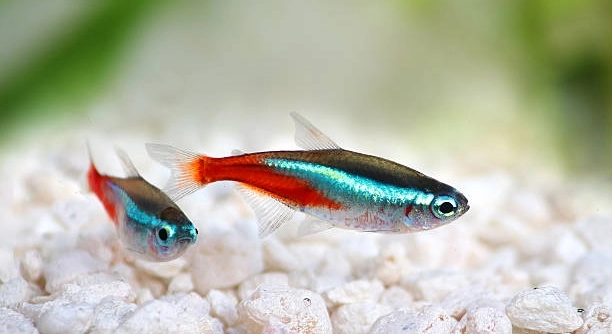
Tetras are popular aquarium fish known for their vibrant colors and lively behavior. Sometimes, they seem to prefer hiding behind filters instead of swimming freely. This behavior can be puzzling for many fishkeepers who want their tanks to feel lively and balanced.
Tetras hide behind filters mainly due to stress, lack of proper hiding spots, or water quality issues. Filters create small current-free zones where fish feel safe, and poor water conditions can increase their need to seek shelter. Ensuring good water parameters and tank setup reduces this behavior.
Understanding why your tetras choose to stay hidden helps create a healthier environment for them. There are simple adjustments you can make to encourage more natural activity and comfort in your aquarium.
Common Reasons Tetras Hide Behind Filters
Tetras often hide behind filters because they feel safer in places with less activity and strong currents. Filters create small areas with reduced water flow, which help fish feel protected from stress. When tetras are new to a tank or the environment changes suddenly, hiding becomes their way to cope. Poor water quality, such as high ammonia or nitrite levels, can also cause them to seek shelter. If there are not enough plants or decorations to hide in, filters become the go-to spot for comfort. Lighting that is too bright or sudden changes in temperature may also increase their hiding. Watching your tetras’ behavior closely can reveal if the tank setup meets their needs or if something needs adjustment.
Tetras are shy fish and rely on hiding spots to feel secure, so a balanced tank setup is important for their well-being.
Providing more plants or decorations can help your tetras feel less stressed and encourage them to swim freely in the open.
How to Improve Your Tetras’ Environment
Small changes to your tank can make a big difference in how comfortable your tetras feel. Start by checking the water parameters regularly—temperature, pH, ammonia, nitrite, and nitrate levels should all be within safe ranges for tetras. Adding live plants not only offers natural hiding places but also helps improve water quality. If your filter creates a strong current, try adjusting the flow or placing decorations to break it up. Tetras like soft lighting, so dimming bright lights or adding floating plants can reduce stress. Also, make sure the tank is large enough for them to swim freely; cramped spaces cause discomfort and hiding. Feeding them a balanced diet will keep them healthy and active. With these changes, your tetras will likely spend more time exploring and less time hiding behind the filter.
Signs Your Tetras Are Stressed
Stress in tetras often shows through changes in behavior or appearance. They may hide more, lose color, or swim erratically. Sometimes, they stop eating or become lethargic. Recognizing these signs early helps prevent serious health problems.
Stress can come from poor water quality, sudden changes in environment, or overcrowding. Tetras are sensitive to ammonia, nitrites, and nitrates. If these chemicals build up, fish become uncomfortable and stressed. Overcrowding leads to competition for space and food, causing anxiety. Sudden loud noises or rapid temperature changes can also frighten them. When stress lasts too long, fish get weaker and more vulnerable to illness.
Keeping a consistent routine helps reduce stress. Regular water changes, maintaining tank temperature, and avoiding overcrowding create a stable environment. Adding plants and decorations gives tetras places to hide and feel safe. Monitoring their behavior regularly allows you to spot stress early and act quickly.
Adjusting Tank Conditions for Happier Tetras
Water quality is key to keeping tetras comfortable. Test the water weekly for ammonia, nitrites, and nitrates to ensure safe levels. Aim for ammonia and nitrites at zero and nitrates below 20 ppm. Temperature should stay steady between 72°F and 78°F. Avoid sudden changes.
Flow from the filter should be gentle. Strong currents tire out tetras and push them to hide behind filters. Adding floating plants helps diffuse light and water flow, creating a calm space. Make sure the tank size fits the number of fish; a 20-gallon tank is ideal for small tetra groups. Providing plenty of plants and hiding spots reduces their stress and encourages natural behavior. These simple adjustments make a big difference in how your tetras feel and behave daily.
Feeding Habits Affecting Behavior
Tetras that are not fed properly may hide more often. Overfeeding can pollute the water, making fish uncomfortable. Underfeeding leaves them weak and stressed.
Feeding small amounts two to three times a day keeps tetras healthy. Use high-quality flakes or pellets designed for small tropical fish to meet their nutritional needs.
Importance of Tank Mates
Aggressive or overly active tank mates can scare tetras into hiding. Choosing peaceful companions helps keep stress low and encourages natural swimming behavior.
Lighting and Its Impact
Bright, constant lighting can make tetras feel exposed and stressed. Using dim or adjustable lighting helps them feel more secure and reduces hiding behind filters.
When to Seek Help
If your tetras continue hiding despite all changes, a health issue might be present. Consult a vet or experienced aquarist for advice.
FAQ
Why are my tetras hiding only behind the filter?
Tetras prefer hiding behind filters because these areas usually have lower water flow and provide a sense of safety. Filters often create small pockets where the current is weaker, allowing fish to rest without being pushed around. If the tank lacks plants or decorations, the filter area becomes the most secure spot available for them.
Is it normal for tetras to hide a lot?
Yes, tetras are naturally shy and may hide often, especially if they feel stressed or unsafe. However, if they spend too much time hiding and show little activity, it could mean there is a problem with water quality, tank setup, or their health.
How can I make my tetras come out of hiding?
Improving water quality is the first step. Regular water changes and checking chemical levels help create a comfortable environment. Adding plants and decorations provides more hiding spots, reducing the need for tetras to stay only behind the filter. Adjusting lighting and ensuring gentle water flow also encourages them to swim freely.
Can poor water quality cause tetras to hide?
Absolutely. High levels of ammonia, nitrites, or nitrates cause stress and discomfort. When water conditions are poor, tetras will seek safe spots to avoid exposure. Testing your water regularly and performing necessary changes keeps the environment healthy and your fish active.
Could the filter flow be too strong for my tetras?
Yes. Many tetras dislike strong currents. If your filter pushes water too forcefully, it may force them into hiding behind it where the flow is gentler. You can reduce the flow by adjusting the filter or placing plants and decorations to break up the current.
Are tetras hiding a sign of illness?
Hiding can be a symptom of illness, especially if accompanied by other signs like loss of appetite, faded colors, or lethargy. If you notice these signs, consider testing the water and consulting an aquatic vet or expert to check for diseases.
Does tank size affect tetra hiding behavior?
Tank size impacts their comfort. A small, overcrowded tank causes stress, making tetras hide more. A minimum of 20 gallons is recommended for a small group to give them enough space to swim and explore safely.
Do tetras hide more when they are newly introduced?
Yes, new tetras often hide more as they adjust to their environment. Over time, as they become familiar with the tank and feel secure, they usually become more active and visible.
Can lighting cause tetras to hide behind filters?
Bright or constant lighting can stress tetras, making them seek shaded areas like behind filters. Using dim or adjustable lighting helps create a calm environment where tetras feel safer.
How important are tank mates for tetra behavior?
Tank mates play a big role. Aggressive or very active fish can scare tetras, causing them to hide more. Choosing peaceful companions helps reduce stress and encourages natural behavior.
What is the best diet to keep tetras healthy and less shy?
Feeding high-quality flakes or pellets suitable for small tropical fish keeps tetras healthy. Feed small amounts two to three times daily to avoid overfeeding, which pollutes the water, or underfeeding, which weakens them.
Can stress from loud noises make tetras hide?
Yes, sudden loud noises or vibrations near the tank can startle tetras and cause them to hide. Keeping the tank in a quiet, stable area helps them feel safe and reduces hiding.
How often should I clean the filter if my tetras hide behind it?
Regular cleaning of the filter is essential to maintain good water quality. However, avoid cleaning it too thoroughly or too often, as this can remove beneficial bacteria. Cleaning every 3-4 weeks is generally enough, or follow the manufacturer’s advice.
Are live plants better than artificial ones for helping tetras feel safe?
Live plants are generally better because they improve water quality by absorbing nitrates and provide natural hiding spots. They also create a more comfortable environment, helping tetras feel secure and less likely to hide.
What if my tetras still hide after all these changes?
If your tetras keep hiding despite good water quality, proper tank setup, and healthy tank mates, it may be a sign of illness or severe stress. Consider consulting a professional to rule out diseases or other health issues.
Final Thoughts
Tetras hiding behind filters is a common behavior that many fish owners notice. It is often a sign that the fish are looking for comfort and safety in their environment. Filters create small spaces with less water flow, which can feel like a secure spot for these shy fish. While it might seem worrying at first, this behavior usually points to simple issues like stress, water quality, or tank setup that can be fixed. Understanding why your tetras hide helps you make changes that improve their well-being.
Making sure your tank has good water quality is one of the most important things you can do. Regular testing and water changes keep harmful chemicals low and the water healthy. Tetras are sensitive to ammonia, nitrites, and nitrates, so keeping these in safe ranges helps reduce stress. Also, having the right tank size and number of fish matters. Overcrowded tanks increase competition and anxiety, pushing tetras to hide more often. Providing plenty of plants and decorations gives them more options to feel safe, so they don’t rely only on the filter area.
Adjusting lighting and filter flow can also make a big difference. Too much light or strong currents make tetras uncomfortable, encouraging hiding. Dimming lights or using floating plants to soften the flow creates a calmer environment. Watching your tetras closely and learning their habits helps you notice when something is wrong. If hiding continues despite changes, it could be a sign of illness. In that case, getting advice from an expert is important. Overall, small changes in care and environment can help your tetras feel secure and show more natural, active behavior.

Hello,
If you enjoy the content that we create, please consider saying a "Thank You!" by leaving a tip.
Every little bit helps us continue crafting quality advice that supports the health, happiness, and well-being of pets around the world, for pets of all shapes, sizes, and species.
We really appreciate the kindness and support that you show us!