
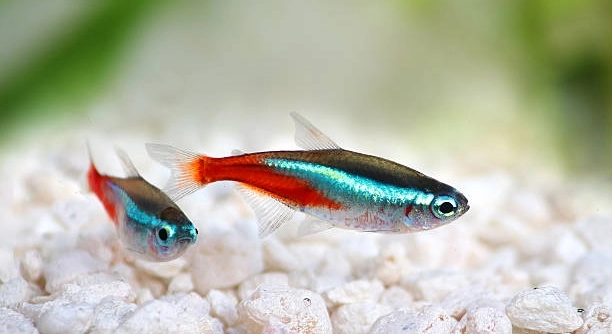
Do you ever find yourself unsure how to safely move your tetra fish into a new tank without causing them stress or harm?
The most effective way to move tetra to a new tank is by slowly acclimating them to the new environment. This includes matching water temperature, pH levels, and gradually introducing tank water to reduce shock.
Learning how to approach this process step by step will help keep your tetras safe and healthy during the transition.
Prepare the New Tank First
Before moving your tetras, it’s important to make sure the new tank is fully set up. Add dechlorinated water, a working filter, and a heater to maintain a stable temperature. Let the tank run for at least 24 to 48 hours to stabilize. This gives the equipment time to adjust and the water to reach proper conditions. Check the pH, ammonia, nitrite, and nitrate levels using a water testing kit. Try to match these numbers as closely as possible to the current tank. Adding live plants and decor can also help make the environment feel secure for the fish. Avoid placing the tank in direct sunlight or near noisy areas. Stability is key, especially for small fish like tetras. If you’re transferring water or decorations from the old tank, make sure they are clean and free from debris. Always prioritize water safety and consistency to prevent health problems.
Your fish are sensitive to changes, so take the time to get this part right.
Keeping the new tank consistent with the old one will help your tetras settle in faster. Sudden changes in water conditions are hard on fish. When the environment feels familiar, they are more likely to eat, explore, and show normal behavior soon after being moved.
Acclimate Slowly and Carefully
Sudden temperature shifts or pH changes can stress your tetras. Float the bag with the fish in the new tank for about 15 minutes, allowing the temperatures to match.
After the bag floats for a while, slowly add small amounts of the new tank water into the bag every 5 minutes for around 30 minutes. This step helps your fish adjust to the new water chemistry without being overwhelmed. Once the bag is full, gently net the fish and place them in the new tank. Do not pour the water from the bag into the new tank. This water may contain waste or bacteria from the old tank. After the move, turn off the tank lights for a few hours to reduce stress. Keep a close eye on your fish for the first 24 hours. Look for signs of stress like rapid gill movement, hiding, or erratic swimming. A slow and steady transition will help them adjust without health issues.
Monitor Water Parameters Closely
Once your tetras are in the new tank, check the water daily for the first week. Use a reliable test kit to track ammonia, nitrite, nitrate, and pH levels. Early changes can be stressful, so it’s important to catch problems quickly and take action.
In the first few days, your tank may go through a mini-cycle. This happens when the beneficial bacteria are still stabilizing. If ammonia or nitrite levels rise, do a small water change—about 25%—to lower the toxins. Avoid overfeeding during this time, as excess food can make the water worse. Try to feed only what they can eat in two minutes. Make sure the filter is working properly and not clogged. If needed, add beneficial bacteria supplements to help the process along. Keep the environment calm and consistent, and avoid adding new fish or making big changes while your tetras adjust to the new space.
If your test results stay stable for a week, you’re in a good place. Nitrate levels should stay low, and ammonia and nitrite should stay at zero. Keeping up with regular testing once a week will help you catch any changes early. This makes it easier to keep the tank healthy in the long run.
Keep Lighting and Movement Low at First
Bright lights and sudden movement can make tetras anxious in a new setting. Keep tank lights off for the first day and use soft lighting after that. Try to avoid loud noises or moving the tank during the adjustment period.
For the first few days, let the fish settle without much interference. Try not to tap on the glass or reach into the tank unless it’s necessary. A calm space helps them feel secure and encourages them to explore on their own. If your tank is in a busy room, consider adding a background to one side or placing it somewhere quieter. You might notice your tetras hiding or staying in one area—that’s normal. As they adjust, they’ll start swimming in groups and showing more activity. Keeping the space peaceful will make this transition smoother. After about a week, you can gradually return to your usual lighting and routine.
Avoid Overfeeding Right After the Move
Tetras may not eat much the first day, and that’s normal. Their appetite often returns as they start to feel safe. Offer a very small amount of food to start and remove anything they don’t eat within a few minutes.
Extra food can quickly pollute the water. Wait until ammonia and nitrite levels remain at zero before increasing feeding. Stick to once-a-day feedings during the first week. Keeping things simple gives your fish time to settle and helps you avoid water quality issues.
Watch for Illness or Strange Behavior
Tetras can become stressed after a move, which may lead to health problems. Watch for signs like clamped fins, unusual swimming, white spots, or loss of color. These changes can mean something’s wrong. Catching problems early can help prevent larger issues or illness from spreading in the tank.
Don’t Add New Tankmates Too Soon
Adding more fish right away can overwhelm the tank. Wait until the water stays stable for at least two weeks before introducing any new tankmates.
FAQ
How long should I wait before moving my tetra to a new tank after setting it up?
You should wait at least 24 to 48 hours after setting up the new tank. This gives the filter, heater, and water time to stabilize. If you can wait longer—about a week—that’s even better. This allows beneficial bacteria to begin forming. Always check the water parameters first. The pH, temperature, and hardness should match the old tank as closely as possible. Never move tetras into a tank that still has high levels of ammonia or nitrite. Stability matters more than speed when it comes to moving fish safely.
Can I use water from the old tank in the new tank?
Yes, you can transfer some water from the old tank to help reduce shock for the tetras. Use clean water that doesn’t have debris or leftover food. Transferring up to 50% of the water is fine, especially if the water quality in the old tank is good. You can also move some filter media or decorations from the old tank. These hold beneficial bacteria that help stabilize the new environment. Be careful not to stir up waste during the transfer. Only move what’s clean and helpful to the new tank’s balance.
What’s the best way to move the tetras without stressing them out?
Float their bag in the new tank for about 15 minutes to match temperatures. Then, slowly add small amounts of tank water into the bag every five minutes for about 30 minutes. This helps them adjust gradually to the water conditions. After that, use a net to gently transfer the fish. Do not pour the bag water into the tank—it can carry waste and harmful bacteria. Turn off the lights and keep the tank quiet for a few hours after the move. These steps lower stress and support a smoother transition.
Is it okay if my tetras don’t eat right after being moved?
Yes, it’s very common. Many tetras won’t eat during the first 24 hours in a new tank. They’re adjusting to their surroundings and might feel too stressed to eat. Offer a small amount of food, and remove anything they don’t eat within a few minutes. If they still aren’t eating after a couple of days, double-check the water parameters and temperature. Poor water quality or cold temperatures can affect their appetite. Once they feel secure, their feeding behavior usually returns to normal.
How do I know if my tetras are stressed?
Signs of stress in tetras include hiding, rapid breathing, clamped fins, faded colors, or erratic swimming. They may also isolate themselves from the group or stop eating. These behaviors often show up right after a move. If the tank is quiet, the lighting is soft, and the water parameters are good, most of these signs will go away within a few days. If symptoms continue or worsen, test the water again or look for signs of illness, like white spots or bloating. Catching issues early can prevent serious problems.
Can I use stress coat or additives during the move?
Yes, adding a water conditioner that contains stress coat or aloe vera can help reduce stress. These products support the fish’s slime coat and help them recover from handling. Use them as directed when filling the new tank. You can also use bacterial supplements to support the nitrogen cycle. However, avoid adding too many products at once. Stick to trusted brands and keep your focus on water quality, temperature stability, and a calm environment.
What if my tetra starts acting sick after the move?
First, check the water conditions. Poor water quality is a common cause of sickness in new tanks. If the levels are off, do a partial water change. If the fish shows signs of disease—like white spots (ich), bloating, or fungus—separate it from the others and treat it in a quarantine tank. Use the proper treatment based on the symptoms. Many illnesses are stress-related, especially after a tank move. Keeping the water clean, limiting light, and avoiding sudden changes will help them recover faster. Act quickly, but avoid overmedicating if the problem is unclear.
Should I turn off the filter during acclimation?
No, the filter should stay on to maintain water movement and oxygen levels. If the filter flow is strong, you can reduce the current or block direct flow with a sponge or plant while your tetras adjust. Some filters have flow control settings for this. Just make sure the tank remains filtered and aerated. Stopping the filter, even for a short time, can reduce oxygen and allow waste to build up. Letting the filter run gently in the background will help keep the water safe and stable.
Final Thoughts
Moving tetras to a new tank can feel like a big task, but it becomes much easier when you take the right steps. Giving yourself enough time to prepare makes a big difference. Make sure the new tank is clean, fully set up, and running smoothly before you move your fish. Always test the water and try to match the conditions of their old tank as closely as possible. These small steps help your tetras stay healthy and adjust more comfortably. It’s also a good idea to add some live plants or decorations to give them places to hide and explore.
Patience is one of the most important parts of a successful move. Tetras are sensitive and may need several days to settle into their new space. Avoid rushing the process or making sudden changes once they’re in the new tank. Try not to feed them too much, and give them time to explore when they’re ready. Pay close attention to how they act in the first few days. Look for signs of stress or illness, but also give them space to adjust without too much interference. A quiet, steady environment helps them feel safe.
Once your tetras are swimming actively, eating normally, and showing their bright colors again, it’s a good sign that they’re feeling at home. Continue with regular maintenance like weekly water tests, gentle cleaning, and consistent feeding. If you want to add new tankmates later, wait until the water stays stable and the tetras are well-adjusted. A calm, clean tank is key to keeping them healthy long-term. With the right care and a little patience, your tetras will settle into their new tank and thrive in their environment.

Hello,
If you enjoy the content that we create, please consider saying a "Thank You!" by leaving a tip.
Every little bit helps us continue crafting quality advice that supports the health, happiness, and well-being of pets around the world, for pets of all shapes, sizes, and species.
We really appreciate the kindness and support that you show us!