
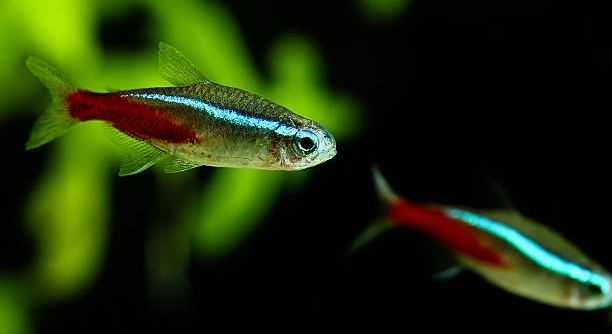
Tetras are popular aquarium fish known for their vibrant colors and peaceful nature. Many owners enjoy watching their behavior and wonder if these small fish can actually recognize them. This article explores how tetras interact with their environment and owners.
Research indicates that tetras can recognize their owners through visual and behavioral cues. They respond to familiar faces and routines, showing signs of recognition by swimming closer and displaying calmer behavior when their owner approaches. This recognition is subtle but consistent.
Understanding how tetras recognize their owners can improve your relationship with them and help create a more engaging aquarium experience. These clues reveal more about the intelligence and social behavior of these charming fish.
How Tetras Show Recognition
Tetras often respond to their owners by swimming closer when they approach the tank. This behavior suggests they notice familiar movement and associate it with feeding time or care. Over time, they may learn daily routines and become more comfortable around the person who regularly feeds them. This shows a level of recognition beyond simple instinct. Some tetras even change their swimming patterns or stop to observe when an owner is nearby. These subtle actions indicate they recognize a specific presence rather than just reacting to movement or light changes. While tetras don’t show affection like some pets, their behavior clearly changes with familiarity. Watching these responses can make caring for tetras more rewarding and help owners feel connected to their fish.
Tetras often swim toward their owner’s presence as a sign of recognition and anticipation.
Recognizing your influence on their behavior helps improve how you interact with your tetras. By understanding their cues, you can create a calming environment that encourages positive responses. This also allows you to notice changes in behavior early, which can indicate health or stress issues. Being consistent with feeding and care routines supports this recognition. It makes your tetras more comfortable and responsive, enhancing your experience as an owner. Patience and attention to their subtle signals can strengthen your bond with these delicate fish over time.
Visual Cues Tetras Use to Identify Owners
Tetras rely heavily on sight to recognize their surroundings and those who care for them. They pick up on consistent shapes, colors, and movements outside the tank. The way an owner moves or stands near the aquarium becomes familiar, helping the fish distinguish one person from others. Bright colors or sudden gestures may startle them, but calm, steady presence encourages recognition. Tetras have good eyesight for their size, making visual cues the primary way they learn to identify their owner.
Visual recognition is one of the main ways tetras differentiate familiar people.
Besides visual recognition, tetras also respond to the timing of daily activities like feeding. They may associate the sight of an owner with food, increasing their awareness. This learned association strengthens over time, allowing tetras to anticipate care. Owners who approach the tank regularly and calmly encourage this recognition. Even though they are small fish, tetras show remarkable ability to adapt and remember. Observing how they react to specific visual signals offers insight into their social behaviors. This understanding helps owners interact with their tetras in ways that promote comfort and reduce stress. Consistency in visual cues supports trust and familiarity between the fish and their caretaker.
Routine and Familiarity
Tetras respond strongly to regular routines. Feeding at the same time daily helps them recognize and anticipate their owner’s presence. This routine builds comfort and trust over time.
Regular feeding schedules create predictable patterns that tetras learn quickly. They start associating the sounds and sights linked to feeding with their owner. This connection makes them swim closer or become more active when the owner approaches the tank. The consistency helps reduce stress and increases their sense of security. Inconsistent routines can confuse the fish, leading to less interaction or signs of anxiety. Keeping a steady schedule encourages positive behavior and makes it easier to notice any changes in their usual actions.
Besides feeding, regular maintenance like cleaning and water changes also builds recognition. When tetras see familiar actions repeated, they begin to link them with care and safety. This familiarity enhances their response to owners and improves overall well-being. A steady routine strengthens this bond, making your aquarium a calmer and more inviting space for your tetras.
Response to Voice and Sounds
Though tetras don’t have ears like mammals, they sense vibrations and sounds in the water. They can learn to associate certain noises, like a tapping on the glass or voice tones, with their owner. These signals can help tetras identify who is nearby.
The fish are sensitive to low-frequency vibrations and can detect movements from outside the tank. Owners who talk softly or make gentle noises near the aquarium may trigger recognition responses in their tetras. Over time, tetras connect these auditory cues to feeding or interaction, increasing their awareness and comfort. Loud or sudden sounds, however, can startle them and cause stress, so maintaining a calm environment is important. Understanding how your voice and noises affect tetras helps create a peaceful habitat that encourages positive recognition and bonding.
Movement and Interaction
Tetras notice movement near their tank and react accordingly. Slow, deliberate motions tend to catch their attention more than sudden ones.
They may swim toward the source of movement if it signals feeding or care. Quick, erratic movements often cause them to hide or swim away, showing their cautious nature.
Recognizing Feeding Time
Tetras learn to link specific actions with feeding. Pouring food or shaking the container signals mealtime, prompting increased activity.
They respond eagerly to these cues, often gathering near the surface in anticipation. This clear pattern shows their ability to associate behavior with positive outcomes.
Visual Memory
Tetras have decent visual memory for small fish. They recall familiar faces and routines, helping them recognize owners over time.
Reaction to Touch
While tetras don’t usually enjoy being touched, they do respond to gentle tapping on the tank as a form of interaction.
Can tetras really recognize their owners?
Tetras do recognize their owners but not in the same way pets like dogs or cats do. Their recognition is based mainly on visual cues, routine, and certain sounds. They notice familiar shapes, movements, and consistent behaviors like feeding time. Over time, they learn to associate their owner’s presence with food and care, which makes them swim closer or become more active. This recognition is subtle but shows they can distinguish a familiar person from strangers or random movements around the tank.
How do tetras show they recognize their owner?
They show recognition by swimming toward the tank glass or moving around more actively when the owner approaches. They might pause and observe the person, seeming calmer and less startled. Some tetras may change their usual swimming patterns and linger near the front of the tank. These behaviors suggest they are aware of a familiar presence and anticipate feeding or interaction. It’s a quiet form of recognition but meaningful to notice if you care for them regularly.
Do tetras respond to their owner’s voice?
Tetras don’t have ears like mammals but can sense vibrations and sounds in the water. They may respond to the tone or pattern of a person’s voice, especially if it’s soft and calm. Tapping or shaking the food container also creates sounds and vibrations that tetras learn to associate with feeding. Loud or sudden noises, however, often scare them. So, gentle sounds can help tetras recognize and become more comfortable with their owner.
Can tetras get attached to their owner?
While tetras don’t form attachments like mammals, they do become familiar with their owner and routines. This familiarity helps reduce their stress and makes them more responsive. They learn to expect food or care when a certain person is nearby. This doesn’t mean they feel affection but rather they respond to predictability and safety. Consistency in feeding and interaction strengthens this bond of recognition.
Does the tank environment affect a tetra’s ability to recognize their owner?
Yes, a well-maintained, calm environment helps tetras feel secure and more responsive. Stress from poor water quality or overcrowding can make them shy and less interactive. When tetras are comfortable and healthy, they show clearer signs of recognition by swimming near the owner and reacting to familiar cues. Keeping the tank clean and stable supports better behavior and helps your fish feel safer around you.
How long does it take for tetras to recognize their owner?
Tetras can start recognizing their owner within a few days to a couple of weeks. This depends on how regularly the owner interacts with them, especially during feeding times. The more consistent the routine, the quicker they learn to associate the owner with food and care. Sudden changes in routine or environment can slow this learning process. Patience and steady care are key to building recognition.
Can tetras differentiate between multiple owners?
Tetras are likely able to distinguish between different people based on visual and behavioral cues. They respond more readily to the person who feeds or cares for them regularly. Others who don’t follow these routines might not get the same reaction. However, this recognition is linked mostly to who provides food and care rather than strong personal attachment.
What are signs that a tetra does not recognize its owner?
If tetras hide, swim away, or show no reaction when someone approaches, they may not recognize that person. Sudden or inconsistent movements around the tank can also prevent recognition from forming. Stress or illness can reduce their responsiveness as well. Consistent care and calm interaction usually encourage tetras to feel more familiar and comfortable with their owner.
How can I encourage my tetras to recognize me?
Feed them regularly at the same times each day and approach the tank calmly and gently. Avoid sudden movements and loud noises near the aquarium. Consistency in your care routine helps tetras learn to recognize your presence. Talking softly or tapping lightly on the tank can also create recognizable signals. Patience is important; recognition grows slowly as trust and routine develop.
Do tetras recognize other pets or animals in the house?
Tetras are mainly focused on their immediate environment. They may notice other animals if those animals cause vibrations, noise, or sudden movements near the tank. However, they don’t form recognition or bonds with other pets like dogs or cats. Their awareness of other animals is limited to whether those animals affect their environment or cause stress.
Is it harmful to tap on the glass to get a tetra’s attention?
Tapping on the glass occasionally and gently can be a way to get your tetras’ attention and help them associate you with feeding. However, tapping too often or loudly can stress the fish, causing them to hide or become anxious. It’s best to keep any tapping soft and infrequent to avoid disturbing their environment and wellbeing.
Can tetras remember their owner if left alone for a long time?
Tetras rely on routine to recognize their owner. If left alone without interaction for a long time, they may lose familiarity with specific cues like feeding patterns or movements. When the owner returns, the fish might act cautious until the routine is reestablished. Regular care and interaction are important to maintain this recognition over time.
Tetras are small, colorful fish that many people enjoy keeping in home aquariums. While they are not pets that show affection in the way dogs or cats do, tetras do have the ability to recognize their owners. This recognition comes mainly through visual cues, routine behaviors, and sounds that the fish learn to associate with care and feeding. By observing their responses—such as swimming closer or changing their usual swimming patterns—owners can tell that tetras notice familiar people and feel more comfortable around them. This kind of recognition adds a meaningful layer to keeping tetras, making the experience more engaging and enjoyable.
The way tetras recognize their owners is subtle but consistent. They learn to associate the presence of a familiar person with positive events like feeding or cleaning. This learning happens over time with regular routines and calm interactions. Tetras rely heavily on visual memory and respond to gentle movements and sounds near the tank. Consistency is important because it helps the fish form clear associations, which makes them less stressed and more interactive. Owners who feed and care for their tetras regularly will likely see signs of recognition as the fish become more comfortable and responsive.
Understanding how tetras recognize their owners can improve how we care for them. Maintaining a calm environment, sticking to feeding schedules, and using gentle motions around the tank encourage positive behavior from the fish. Recognizing these clues helps owners notice when something is wrong, such as changes in behavior that might indicate illness or stress. Overall, recognizing that tetras are capable of this subtle recognition highlights their adaptability and intelligence, reminding us that even small fish can respond to care and attention in meaningful ways.

Hello,
If you enjoy the content that we create, please consider saying a "Thank You!" by leaving a tip.
Every little bit helps us continue crafting quality advice that supports the health, happiness, and well-being of pets around the world, for pets of all shapes, sizes, and species.
We really appreciate the kindness and support that you show us!