
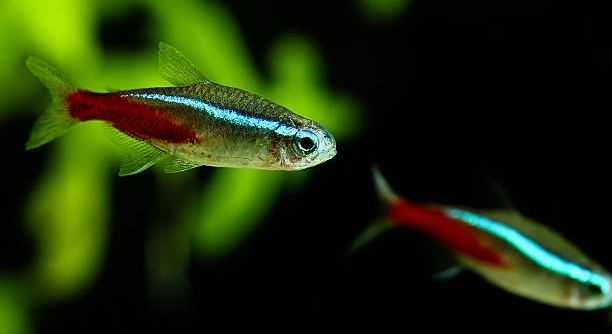
Choosing the right heater for your tetra is important for keeping your fish healthy and comfortable. Tetras need stable water temperatures to thrive and avoid stress. A good heater helps maintain a consistent environment in the aquarium.
Selecting the appropriate heater for tetras involves considering the tank size, heater wattage, temperature range, reliability, and safety features. These factors ensure the water remains stable and suitable for the delicate needs of these tropical fish.
Knowing how to pick the best heater can protect your tetra’s health and make tank maintenance easier for you. This guide offers useful tips to help you find the perfect fit.
Understanding Your Tank Size
The size of your aquarium plays a key role in choosing the right heater. Smaller tanks need heaters with less power, while larger tanks require stronger heaters to keep the temperature stable. For example, a 10-gallon tank usually needs a 50-watt heater, while a 20-gallon tank may need a 100-watt one. Using a heater that is too strong for a small tank can cause sudden temperature changes, which can stress your tetras. On the other hand, a heater that is too weak for a big tank might not keep the water warm enough. It is also important to measure your tank carefully, including the water level, since this affects how much heat is needed. Matching the heater’s wattage to your tank size helps maintain a consistent temperature, which is vital for your fish’s health and comfort.
Using the correct wattage based on tank size ensures your heater works efficiently without wasting energy or causing harm to your tetras.
Keep in mind that tank shape and material can affect heating. Glass tanks hold heat better than acrylic, so wattage needs might slightly change. Additionally, placing the heater near a filter or water flow can help distribute heat evenly. Always double-check your tank’s specifications and consider these factors when buying a heater.
Heater Types and Their Features
Heaters come in different types with features to fit various needs.
Submersible heaters are popular because they go fully underwater and provide even heating. They usually have adjustable temperature settings and automatic shut-off to prevent overheating. Immersible heaters attach to the outside of the tank but are less common and might not heat as evenly. There are also titanium heaters that are durable and great for larger tanks.
When choosing a heater, look for one with a reliable thermostat and safety features like shatterproof glass or automatic shut-off. These qualities help avoid temperature swings and accidents. Digital heaters often show the exact temperature and are easier to control. Deciding which type fits your setup depends on tank size, budget, and your preference for convenience. Selecting the right style can improve temperature control and protect your tetras from sudden changes.
Placement of the Heater
Proper heater placement ensures even heat distribution in the tank.
Place the heater near the water flow, usually close to the filter output. This helps spread warm water evenly, preventing cold spots. Avoid placing it where fish frequently swim to reduce stress or injury risks. Submersible heaters should be fully underwater and secured to avoid movement. Also, keep the heater away from decorations or plants that could block heat circulation or damage the heater. Regularly check placement to ensure the heater stays stable and water flows around it properly. Proper placement supports a steady temperature that tetras need to stay healthy.
If the heater is not well placed, temperature fluctuations can occur, causing stress or illness for your fish. Consistent heat supports their immune system and activity. Positioning the heater thoughtfully helps maintain a balanced environment, especially in smaller tanks where temperature changes happen faster.
Avoid placing the heater where it touches the tank glass directly, as this can cause cracking. It’s best to follow the manufacturer’s guidelines for installation. You might also consider adding a thermometer nearby to monitor the water temperature accurately and adjust the heater if needed. These simple steps keep your tank safe and comfortable for your tetras.
Monitoring and Maintenance
Regularly monitoring the heater’s performance prevents problems before they start.
Check the temperature daily with a reliable aquarium thermometer to ensure it stays stable. Look for signs of heater malfunction like unusual noises, inconsistent heating, or physical damage. Clean the heater occasionally to remove algae or mineral buildup that can reduce efficiency. Unplug the heater during water changes and inspect it for cracks or corrosion. Testing your heater regularly can save you from sudden temperature drops or spikes that stress your tetras.
If you notice temperature fluctuations, adjust the heater or consider replacing it. Some heaters lose accuracy over time and need to be upgraded for reliable control.
Proper maintenance extends the heater’s life and keeps your tank environment steady. Avoid using harsh chemicals to clean the heater, and always unplug it before handling. A well-maintained heater helps provide a safe and healthy home for your tetras, ensuring their comfort through all seasons.
Safety Features to Look For
Choosing a heater with safety features protects both your fish and your aquarium.
Look for heaters with automatic shut-off functions that turn the device off if it overheats. Shatterproof glass or titanium construction adds durability and reduces breakage risk. These features prevent accidents and help maintain stable temperatures.
Energy Efficiency
Energy-efficient heaters save electricity and keep your tank warm without wasting power.
Heaters with precise thermostats avoid overheating and unnecessary energy use. Look for models with good insulation and energy-saving modes. Although they might cost more upfront, efficient heaters reduce long-term expenses. Choosing energy-efficient options helps keep your tank warm without raising your utility bills, offering both environmental and financial benefits.
Compatibility with Tank Setup
Make sure the heater fits your tank’s design and filtration system.
Some heaters work better with certain filters or tank sizes. Matching your heater to your setup helps maintain even heat and avoids interference. Check manufacturer guidelines for compatibility to ensure smooth operation.
FAQ
How do I know what size heater my tetra tank needs?
The heater size depends mostly on your tank’s volume. A general rule is to use 3 to 5 watts per gallon of water. For example, a 10-gallon tank should have a heater rated between 30 to 50 watts. Using a heater that matches this guideline helps keep the temperature stable without overheating or underheating the water. Also, consider the tank’s location; if it’s in a cooler room, you may need a slightly stronger heater. Always check the product specifications to make sure it fits your tank size.
Can I use one heater for multiple tanks?
It’s not recommended to use one heater for multiple tanks unless they are connected in a way that water flows evenly between them. Most heaters are designed to heat the water within a specific volume. Using one heater for multiple tanks can cause uneven heating or temperature fluctuations. If you have several tanks, it’s better to get a heater for each one to ensure proper temperature control and fish health.
Is it safe to leave the heater on all the time?
Yes, it’s safe and necessary to leave the heater on 24/7. Tetras need stable temperatures, and sudden changes can cause stress or illness. Most aquarium heaters have thermostats that turn the heater off once the desired temperature is reached and back on when the water cools down. This cycle keeps the temperature steady. However, it’s important to regularly check the heater to make sure it’s working properly.
What temperature should I set the heater for my tetras?
Tetras thrive best at temperatures between 74°F and 80°F (23°C to 27°C). Setting the heater within this range provides a comfortable environment that mimics their natural habitat. Avoid sudden temperature changes by adjusting the heater slowly if needed. Using a reliable thermometer helps monitor the water temperature accurately and ensures it stays within this ideal range.
How often should I clean my aquarium heater?
Cleaning your heater every one to two months is enough to keep it working well. Algae and mineral deposits can build up on the heater’s surface, which reduces its efficiency. Always unplug the heater before cleaning it. Use a soft cloth or sponge and avoid harsh chemicals that could damage the heater or harm your fish. Keeping the heater clean helps maintain steady heat and prolongs its life.
What should I do if my heater breaks?
If your heater stops working or shows signs of damage, unplug it immediately and remove it from the tank. Replace it with a new one as soon as possible to keep your tetras safe. In the meantime, you can use temporary heating methods like warm water bottles or room heaters, but these are not ideal long-term solutions. Regularly checking your heater can prevent unexpected breakdowns.
Are digital heaters better than traditional ones?
Digital heaters often provide more precise temperature control and easy-to-read displays, making it simpler to set and monitor the temperature. They may include additional safety features like automatic shut-off and alarms. Traditional heaters can be reliable but might lack these conveniences. Choosing between them depends on your preference, budget, and the level of control you want over your tank’s temperature.
Can I rely on the heater alone to maintain water temperature?
While the heater is the main tool for keeping water warm, other factors also affect temperature stability. Room temperature, tank placement away from drafts or sunlight, and good water circulation all help maintain a steady environment. A heater works best when combined with proper tank setup and monitoring. Using a thermometer regularly will help you catch any issues early.
Is it okay if my heater’s temperature fluctuates a little?
Small temperature fluctuations within 1 to 2 degrees Fahrenheit are normal and usually not harmful to tetras. Heaters turn on and off to maintain the set temperature, which causes slight changes. However, wide or rapid swings can stress fish and should be addressed by checking the heater’s function, placement, and tank environment. Consistent monitoring helps keep conditions stable.
Can I leave the heater on during summer?
Yes, but it depends on your local climate and room temperature. If the room stays warm enough, your heater may not need to work much or at all. Some heaters have thermostats that automatically turn off when the water reaches the set temperature. Still, monitor the tank during hot months to avoid overheating, and adjust or remove the heater if necessary to keep your tetras comfortable.
Final Thoughts
Choosing the right heater for your tetra tank is an important step in keeping your fish healthy and comfortable. A heater helps keep the water temperature steady, which is essential for tropical fish like tetras. When the water temperature changes too much, it can cause stress and make your fish more likely to get sick. By selecting a heater that matches your tank size and has good features, you create a stable environment that supports your fish’s wellbeing every day.
It’s important to pay attention to details like heater wattage, placement, and safety features. A heater that is too strong or too weak won’t do the job properly. Placing the heater near the water flow helps spread the heat evenly, avoiding cold spots. Safety features like automatic shut-off and shatterproof design protect both your fish and your aquarium equipment. Regular monitoring and maintenance keep the heater working well and prevent surprises. Checking the temperature daily with a reliable thermometer lets you catch any issues before they become a problem.
Overall, a good heater is more than just a piece of equipment. It plays a key role in creating a healthy home for your tetras. Investing time in choosing and caring for the right heater means you can enjoy a peaceful, thriving aquarium. By keeping the water at the right temperature and watching for changes, you help your tetras live their best life. The small effort you put into this will pay off with happy, active fish and a beautiful tank you can enjoy every day.

Hello,
If you enjoy the content that we create, please consider saying a "Thank You!" by leaving a tip.
Every little bit helps us continue crafting quality advice that supports the health, happiness, and well-being of pets around the world, for pets of all shapes, sizes, and species.
We really appreciate the kindness and support that you show us!