
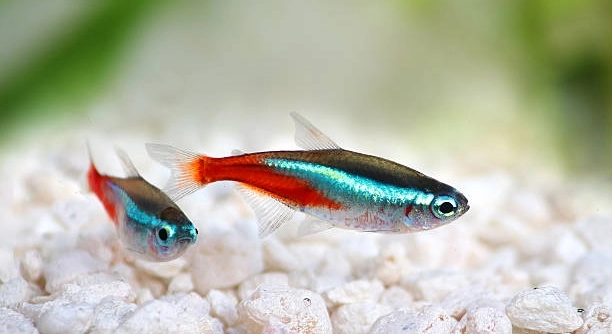
Breeding tetras can be a rewarding experience for aquarium enthusiasts who enjoy watching their fish grow. Many find the process tricky at first but with some guidance, it becomes easier to manage. This article offers helpful tips to improve your success.
Successful tetra breeding requires careful attention to water conditions, tank setup, and diet. Ensuring a stress-free environment with proper temperature and clean water encourages spawning. Providing high-quality food and separating eggs from adults increases fry survival rates.
Knowing these key steps will make your breeding efforts smoother and more productive. The following tips break down important details to help you care for your tetras during this process.
Prepare the Tank Properly
Setting up the right environment for breeding tetras is essential. Start with a small breeding tank, around 10 gallons, to keep conditions stable and manageable. Use a sponge filter to avoid sucking up the eggs or fry. The water should be soft and slightly acidic, with a pH around 6.5. Keep the temperature steady between 75 and 80 degrees Fahrenheit, as tetras are sensitive to fluctuations. Adding fine-leaved plants or spawning mops gives the fish places to lay their eggs and helps protect the fry once hatched. Make sure the tank is clean and free from strong currents to avoid disturbing the eggs. This careful setup supports the fish’s natural behavior and increases the chance of successful breeding.
Keeping the breeding tank separate from the main aquarium helps reduce stress and protects the eggs and fry from other fish.
Feeding the tetras a varied diet before breeding improves their health and readiness. Live or frozen foods like brine shrimp or daphnia are great choices to boost vitality. After introducing the male and female, watch for spawning behavior, which often happens early in the morning. Removing the adults after spawning prevents them from eating the eggs. Regular water changes and maintaining stable conditions support egg development until hatching.
Choose Healthy Tetras for Breeding
Healthy fish are more likely to breed successfully. Select active, well-fed adults with vibrant colors and no signs of illness or stress. Avoid breeding fish that look weak or have damaged fins. It’s better to use fish that have been in your aquarium for a while and show normal behavior. When possible, choose fish that are between 6 months and 1 year old, as they are at their peak breeding age. Providing good care before breeding helps ensure strong offspring and reduces the chance of complications.
Control Lighting and Temperature
Light and temperature influence tetra breeding. Keep the tank lighting low to mimic their natural environment. Too much light can stress the fish and prevent spawning.
Maintain a stable temperature between 75 and 80 degrees Fahrenheit. Sudden changes can stop breeding behavior. Using a reliable heater helps keep conditions consistent.
Adjust the lighting schedule to about 10 hours a day. This balance encourages natural rhythms and can trigger spawning. Avoid bright or direct light to reduce stress. Observing these details helps create a comfortable environment for your tetras.
Separate Eggs and Fry
Once eggs are laid, separating them from adult fish is important to prevent them from being eaten. Use a fine mesh or a separate tank to protect the eggs.
Monitor the eggs closely. Fertilized eggs will be clear with visible eyes after a day or two. Remove any unfertilized or fungus-infected eggs promptly to avoid contamination.
After hatching, feed the fry with very small foods like infusoria or specially prepared fry food. Gradually introduce larger food as they grow. Maintaining clean water with gentle filtration supports healthy development during these fragile stages.
Maintain Water Quality
Clean water is crucial for breeding tetras. Perform regular water changes of about 20-30% every few days to keep ammonia and nitrate levels low.
Use a gentle filter to avoid disturbing the eggs and fry. Test water parameters often to ensure stability and avoid sudden changes.
Provide Proper Nutrition
Feeding tetras a balanced diet is key before and during breeding. Include live or frozen foods like brine shrimp and bloodworms to boost health and breeding readiness.
High-quality flake food can supplement their diet, but variety is important to meet all nutritional needs and encourage spawning.
Monitor Fish Behavior
Watch for signs of readiness to breed, such as males chasing females or showing bright colors. Early morning is often when spawning happens.
Recognizing these behaviors helps time the breeding setup and improves success rates.
FAQ
How long does it take for tetra eggs to hatch?
Tetra eggs usually hatch within 24 to 36 hours after spawning. The exact time can depend on water temperature. Warmer water speeds up development, but it should stay within the recommended range of 75 to 80 degrees Fahrenheit. Cooler water will slow down the process.
Can I keep the adult tetras in the breeding tank after spawning?
It’s best to remove the adult tetras after spawning to prevent them from eating the eggs. Many species, including tetras, see their own eggs and fry as food. Moving the adults to a separate tank protects the eggs and increases the chances of more fry surviving.
What do I feed tetra fry?
Tetra fry need very small food at first, like infusoria or newly hatched brine shrimp. These tiny foods are easy for the fry to eat and provide good nutrition. As the fry grow, you can introduce finely crushed flakes or baby fry food designed for small fish.
How often should I change the water during breeding?
Change about 20 to 30 percent of the water every two to three days during the breeding period. This helps keep the water clean without stressing the eggs or fry. Make sure replacement water is treated and at the same temperature to avoid sudden changes.
What are signs that my tetras are ready to breed?
Males become more colorful and active, often chasing females gently. Females may look fuller in the belly as eggs develop. Spawning usually happens in the early morning when the fish are most active and the light is low.
Is it necessary to use live food for breeding tetras?
While not absolutely necessary, live or frozen foods like brine shrimp and daphnia improve health and increase breeding chances. These foods are rich in nutrients and stimulate natural feeding behavior, helping fish get in prime condition.
Can I breed different species of tetras together?
It’s not recommended to breed different species together. Crossbreeding can produce weak or infertile offspring and may cause stress to the fish. Keeping pairs or groups of the same species ensures better results and healthier fry.
How do I prevent fungus on tetra eggs?
Fungus often appears in tanks with poor water quality or high organic waste. Keeping the tank clean and performing regular water changes helps prevent fungal growth. Adding a small amount of antifungal treatment, safe for fish eggs, can also reduce risks.
When do I know if eggs are fertilized?
Fertilized eggs are clear with a small dark spot inside where the embryo develops. Unfertilized eggs usually turn white or cloudy and should be removed quickly to avoid fungus spreading. Monitoring eggs daily helps maintain a healthy batch.
What temperature is best for breeding tetras?
Keeping the water temperature steady between 75 and 80 degrees Fahrenheit creates the ideal breeding environment. Avoid rapid temperature changes, as they can stress the fish and delay spawning or egg development.
How many fry can I expect from one spawning?
A healthy pair of tetras can lay 100 to 200 eggs per spawning. However, not all eggs will hatch or survive to adulthood. Proper care of the eggs and fry improves survival rates significantly.
How long until fry grow into adult tetras?
Tetra fry usually reach adult size in about 3 to 4 months. Growth depends on food quality, water conditions, and tank space. Providing good nutrition and clean water supports steady growth and healthy fish development.
Can I use tap water for breeding tanks?
Tap water can be used if properly treated to remove chlorine, chloramines, and heavy metals. Always test the water before adding it to the tank. Conditioning the water helps avoid stress or harm to eggs and fry.
Do I need special equipment for breeding tetras?
Basic equipment includes a small breeding tank, a gentle sponge filter, a heater, and some plants or spawning mops. These provide a safe and stable environment. More advanced tools are optional but can help monitor water parameters.
What should I do if eggs don’t hatch?
If eggs fail to hatch, check water temperature and quality first. Unfertilized eggs or fungal infections can also cause failure. Removing dead eggs and keeping conditions clean improves chances in future attempts.
Can I breed tetras in a community tank?
Breeding in a community tank is difficult because other fish may eat the eggs and fry. It’s better to set up a separate breeding tank to protect the young and control conditions for successful spawning.
Breeding tetras can be a rewarding experience when the right steps are followed carefully. Setting up the tank properly and maintaining stable water conditions play a big role in success. It is important to provide a quiet and safe environment with the right temperature, clean water, and gentle filtration. These factors help reduce stress on the fish and encourage natural spawning behavior. Paying attention to the details of water quality and tank setup can make a noticeable difference in how well the fish breed and how many fry survive.
Choosing healthy adult tetras and feeding them a nutritious diet supports good breeding results. Live or frozen foods like brine shrimp help improve fish health and readiness for spawning. Removing the adults after the eggs are laid protects the eggs from being eaten. Separating the eggs and fry into a different tank or using a mesh also increases their survival chances. Monitoring the eggs closely to remove any that are unfertilized or infected with fungus helps maintain a healthy environment for the developing fry. These small steps add up and help ensure a higher success rate in raising young tetras.
Finally, patience and observation are key throughout the breeding process. Tetras often show signs when they are ready to breed, and keeping an eye on their behavior helps in timing the setup. Regular water changes and careful feeding are needed as the fry grow. Growth rates depend on the quality of care and food provided. While breeding tetras may take some practice, following simple and consistent methods can make the process easier and more enjoyable. With proper care, you can watch the tiny fry grow into healthy, vibrant adult fish.

Hello,
If you enjoy the content that we create, please consider saying a "Thank You!" by leaving a tip.
Every little bit helps us continue crafting quality advice that supports the health, happiness, and well-being of pets around the world, for pets of all shapes, sizes, and species.
We really appreciate the kindness and support that you show us!