
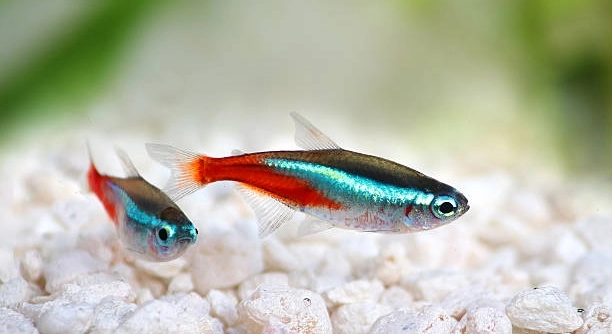
Creating a Flow Tetra Love involves making specific changes to improve its performance and balance. Many people find this process interesting but sometimes tricky to get right. This guide will help clarify the adjustments needed for success.
Flow Tetra Love requires seven key adjustments to optimize flow and stability. These include modifying angles, balancing forces, and fine-tuning connections to achieve a smooth and effective system. Each adjustment targets a specific aspect to enhance overall function.
Understanding these adjustments will make the process clearer and more manageable. You will gain useful insights to improve your Flow Tetra Love step by step.
Understanding the Base Structure
The base structure of Flow Tetra Love sets the foundation for all adjustments. It involves a tetrahedral shape that guides the flow in a controlled way. Each edge and vertex plays a role in maintaining balance and ensuring smooth transitions. When working on this structure, small changes can have big effects. For example, adjusting one angle may change the whole system’s dynamics. It’s important to be precise and patient during this phase. The goal is to keep the flow steady while preparing for further fine-tuning. Knowing how the parts connect helps avoid unnecessary adjustments later. This base structure creates a framework that supports the seven key changes required for optimal performance. Taking the time to understand it fully will make the rest of the process easier and more effective.
The base must be stable before moving on to the next steps.
Once the structure is solid, you can start making the detailed adjustments confidently. This ensures each change adds value and improves flow without causing issues.
Adjusting Angles for Better Flow
Angles control how smoothly the flow moves through the system. Small tweaks here can reduce resistance and improve efficiency. When you adjust angles, focus on keeping balance between the sides. Too much change on one edge can disrupt the entire shape. Use precise tools or guides to measure the current angles before making adjustments. It’s helpful to record your changes so you can track what works best. Adjusting angles also affects how forces spread across the structure, which can impact stability. Making gradual adjustments allows you to see the effects without causing major problems. Pay attention to how each change affects overall flow and make corrections as needed. With careful angle adjustments, the Flow Tetra Love becomes smoother and more reliable. This step is key to unlocking the full potential of the design.
Balancing Forces
Balancing forces is crucial to keep the Flow Tetra Love stable and efficient. Uneven forces can cause weak points or unwanted shifts in the structure. Properly distributing force helps maintain a steady flow and prevents damage over time.
To balance forces, first identify areas where tension or pressure builds up. Use measurements or visual checks to find weak spots. Then, adjust connections or support points to even out these forces. This can involve tightening or loosening specific joints or repositioning parts slightly. The goal is to create harmony within the structure so it moves smoothly without strain. Monitoring the forces regularly ensures that no new imbalances develop during adjustments.
A balanced force system improves the durability of the Flow Tetra Love. It also enhances its ability to handle changes in flow speed or direction without losing stability. Consistent checking and adjusting are necessary to keep this balance intact as you progress.
Fine-Tuning Connections
Fine-tuning connections allows for precise control over the Flow Tetra Love’s function. Each joint or link must fit well to avoid leaks, gaps, or weak spots. Small imperfections here can lead to larger problems in flow and structure.
Use tools to check alignment and fit between connected parts. Adjusting connections may mean tightening screws, smoothing surfaces, or replacing worn elements. Properly fine-tuned connections improve overall performance and longevity. They also reduce the chance of sudden failures or drops in flow quality. This step requires patience and attention to detail but pays off with a more reliable and efficient system.
Testing Flow Consistency
Testing flow consistency is essential to ensure the adjustments are effective. Uneven or interrupted flow can signal areas needing more attention or correction.
Use simple flow tests to observe how smoothly the system operates. Repeated tests help confirm stability over time and under different conditions.
Monitoring Structural Integrity
Regularly check for signs of wear, cracks, or loosening parts. Maintaining structural integrity prevents breakdowns and extends the life of the Flow Tetra Love. Inspections should be part of your routine to catch issues early and keep everything working well.
Final Alignment Checks
After completing adjustments, final alignment checks ensure everything fits perfectly. This step confirms that angles, forces, and connections work together smoothly without conflict or strain.
Preparing for Use
Once all adjustments are made, prepare the Flow Tetra Love for regular use. Clean and secure all parts before putting the system into operation.
FAQ
What is a Flow Tetra Love?
A Flow Tetra Love is a system designed to control and balance flow within a tetrahedral framework. It uses seven key adjustments to optimize performance, ensuring smooth and stable movement through the structure. This design helps prevent disruptions and keeps the system efficient.
Why are the seven adjustments important?
Each adjustment targets a specific aspect of the system. Together, they balance forces, refine angles, and improve connections. Skipping any of these steps can cause issues like instability, leaks, or uneven flow. Following all seven ensures the system works as intended and lasts longer.
How often should I check the adjustments?
Regular checks are important, especially after heavy use or changes in conditions. A monthly review is a good rule of thumb. Checking helps catch early problems before they grow and allows for small corrections that keep the system running smoothly.
What tools do I need for adjustments?
Basic measuring tools like protractors or angle finders help with angle adjustments. Small wrenches or screwdrivers are useful for tightening connections. Visual aids like flow meters or inspection mirrors make it easier to spot problems. Having these ready makes adjustments easier and more precise.
Can I skip any of the adjustments?
Skipping adjustments is not recommended. Each plays a role in keeping the system balanced and functional. Missing one can reduce efficiency or cause damage. Following all seven steps ensures the best results and long-term reliability.
How do I know if the flow is balanced?
Balanced flow moves smoothly without sudden stops or bursts. You can test this by observing the system during operation or using flow measurement tools. Uneven pressure, vibrations, or noise often indicate imbalance needing attention.
What if I notice a leak or gap?
Leaks or gaps usually mean connections need fine-tuning. Tighten or realign joints, or replace worn parts if necessary. Keeping connections tight prevents flow loss and protects the system from damage.
Is it difficult to learn these adjustments?
With clear instructions and patience, these adjustments are manageable. Start slowly and focus on one change at a time. Practice helps build confidence and understanding of how each adjustment affects the system.
Can environmental changes affect Flow Tetra Love?
Yes, temperature, humidity, or pressure changes can impact flow and structure. Regular monitoring helps spot these effects early. Adjustments might be needed to compensate and maintain optimal performance.
How long does it take to complete all adjustments?
The time varies depending on experience and tools available. For beginners, it may take several hours to complete the process carefully. More experienced users can finish faster. Taking time ensures accuracy and better results.
Where can I get support if I have trouble?
Many online forums, manuals, or communities provide help with Flow Tetra Love adjustments. Consulting experienced users or professionals can offer valuable advice and solutions tailored to your specific needs.
What maintenance is required after adjustments?
Routine maintenance includes cleaning parts, checking for wear, and re-tightening connections as needed. Regular care helps preserve the adjustments and prevents future problems. Maintenance should be part of your ongoing system care plan.
Are replacement parts necessary?
Occasionally, worn or damaged parts must be replaced to keep the system working well. Using proper parts designed for Flow Tetra Love ensures compatibility and safety. Regular inspection helps determine when replacements are needed.
How do I improve the lifespan of my Flow Tetra Love?
Following all seven adjustments carefully and maintaining the system regularly are key. Avoid harsh conditions when possible and handle parts gently. Proper use and care extend the system’s lifespan and keep it functioning smoothly.
Is Flow Tetra Love suitable for beginners?
Yes, with clear guidance and a patient approach, beginners can learn the necessary steps. Starting with simple tasks and gradually taking on more complex adjustments builds confidence. Practice and careful observation are important for success.
Final Thoughts
Creating and adjusting a Flow Tetra Love takes patience and attention to detail. Each of the seven adjustments plays an important role in making sure the system works well. Skipping any step can lead to problems like uneven flow or structural weaknesses. Taking time to understand how each adjustment affects the whole system will help you get better results. It is a careful process, but the effort pays off with a stable and efficient setup.
Regular maintenance and checks are just as important as the initial adjustments. Even after everything is set up correctly, the system can change over time due to wear or environmental factors. Keeping an eye on the balance of forces, the fit of connections, and the consistency of flow will help catch small issues before they become bigger problems. This ongoing care extends the life of the Flow Tetra Love and keeps it performing at its best. It also gives you confidence that your system will remain reliable.
The Flow Tetra Love is a practical and well-designed system when the adjustments are done properly. With clear steps and a bit of practice, anyone can improve their setup. Understanding the key points like balancing forces, adjusting angles, and fine-tuning connections makes a big difference. Taking these steps seriously creates a smooth and dependable flow system. This approach makes it easier to handle any changes or challenges that come up, keeping your Flow Tetra Love working well for a long time.

Hello,
If you enjoy the content that we create, please consider saying a "Thank You!" by leaving a tip.
Every little bit helps us continue crafting quality advice that supports the health, happiness, and well-being of pets around the world, for pets of all shapes, sizes, and species.
We really appreciate the kindness and support that you show us!