
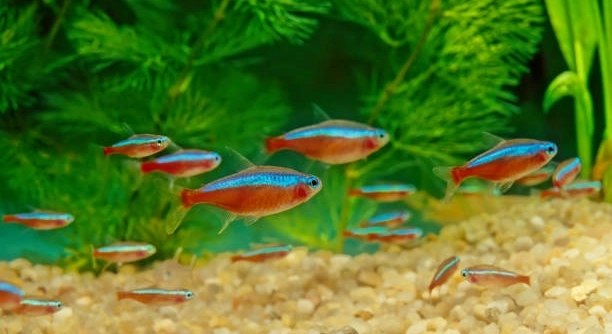
Are your young tetras growing slower than expected, leaving you unsure if you’re doing everything right for their care?
The best way to boost growth in young tetra is by providing optimal tank conditions, high-quality food, consistent water changes, and minimal stress. These factors help improve metabolism, immune function, and overall development in juvenile fish.
Simple adjustments in feeding, tank setup, and maintenance can lead to noticeable improvements in growth rate and health over time.
Maintain Stable Water Conditions
Stable water conditions are essential for healthy growth in young tetra. These small fish are sensitive to sudden changes in temperature, pH, and ammonia levels. A well-maintained tank gives them the comfort they need to grow steadily. Start by testing the water regularly, at least twice a week. Use a reliable water testing kit to monitor ammonia, nitrite, nitrate, and pH levels. Keep the water temperature between 75°F and 80°F, and avoid sudden changes. Use a heater if needed. Perform partial water changes weekly, replacing about 25% of the tank water with dechlorinated water. A clean, stable environment reduces stress and supports proper nutrient absorption, allowing tetras to grow at a natural pace. Overcrowding can also affect water quality, so make sure your tank is not too full. Adding live plants can help stabilize the tank and provide hiding spots, which helps reduce stress and supports better health.
Small changes in the water can slow down their growth, weaken their immune system, and affect their behavior over time.
Using a sponge filter is a good option for young tetra because it keeps the water clean without creating strong currents. This helps keep them calm, active, and ready to eat.
Feed High-Quality Food Frequently
Feeding your young tetras the right food plays a big role in their development. They need a balanced diet with protein, fat, and essential vitamins to grow strong and healthy. Stick to high-quality brands made for tropical fish.
Feed small amounts multiple times a day. Young tetras have fast metabolisms, and frequent feedings give them more chances to absorb nutrients. Crushed flakes, baby brine shrimp, and micro pellets are great choices. Variety is also important—switch between dry and live foods to cover different nutrients. Avoid overfeeding, as uneaten food can quickly spoil water. Watch their behavior at feeding time. Healthy tetras will swim eagerly and eat quickly. If they seem uninterested, check the water or try a different food. Feeding time is also a good chance to observe their growth and check for signs of illness. A consistent and nutrient-rich diet keeps them active and helps them reach their full size.
Avoid Overcrowding the Tank
Too many fish in one tank can lead to slower growth, more waste, and increased stress. Young tetras need space to swim freely and access food without too much competition from others around them.
Start by following the basic rule of one gallon of water per inch of fish, but give extra space when raising fry or juveniles. A 20-gallon tank is ideal for a small group of young tetras. Overcrowding leads to poor water quality, which impacts their ability to grow. When fish are cramped together, aggression can rise, especially during feeding. This causes some fish to miss meals and fall behind in development. Spacing them out gives each fish more access to oxygen, food, and clean water. Adding plants and hiding spots also helps them feel more secure, which reduces stress and promotes steady, healthy growth without needing constant intervention or changes.
Cleaning becomes harder with too many fish in the tank, and waste builds up fast. This puts more pressure on your filter system. Keep the group size balanced to avoid pushing the tank beyond what it can handle. Healthy water and a calm environment will always lead to better results with young tetra.
Provide Proper Lighting and Sleep Cycles
Young tetras need regular light and dark periods to support their growth and immune system. Lighting that mimics a natural day helps them eat regularly, stay active, and rest properly during the night.
Keep your tank light on for about 10 to 12 hours each day. Use a timer to keep the lighting schedule consistent. Bright lighting helps encourage natural behavior, but it shouldn’t be too intense. At night, turn off the lights completely so they can rest. Avoid placing the tank in areas with constant exposure to room lights or screens. A clear cycle of day and night lowers stress levels and keeps their metabolism in balance. If tetras don’t get enough rest, they may become sluggish, stop eating as much, or become more prone to illness. By managing their light exposure properly, you’ll help support their long-term health and steady development.
Keep Stress Levels Low
Young tetras are easily stressed by loud noises, sudden movements, or frequent changes in their environment. Stress can slow their growth and make them more likely to get sick, even if water and food conditions are good.
Use a background on the tank to reduce outside distractions. Avoid tapping on the glass or moving decorations often.
Quarantine New Fish
New fish can carry diseases or parasites that may affect your young tetras. Always keep new additions in a separate tank for at least two weeks. Watch for signs of illness like white spots, frayed fins, or sluggish behavior. Once they seem healthy, slowly introduce them to the main tank. Quarantining keeps the main group safe and healthy, especially when they’re still growing. It also helps new fish adjust to similar water conditions without causing stress to others. Even if the new fish look fine, the added safety step makes a big difference in preventing outbreaks and maintaining a stable environment.
Avoid Overfeeding
Overfeeding can lead to poor water quality and bloating. Feed only what they can finish in about two minutes, and remove any leftovers right after.
FAQ
How fast do young tetras grow?
Young tetras usually grow steadily over the first few months, reaching near full size around 6 to 9 months of age. Growth rate depends on factors like diet, water quality, tank size, and stress levels. When all conditions are right, you’ll notice clear progress each month. It may be slower in colder water or if they don’t get enough protein. Some growth spurts happen more quickly if they’re kept in a clean, quiet tank with plenty of space and good food options. Most tetras grow to about 1.5 to 2 inches when fully mature, depending on the species.
What should I feed baby tetras?
Baby tetras, or fry, need very small and nutrient-dense foods. Infusoria, liquid fry food, and powdered fry food work best during the first few days. As they grow, you can slowly introduce baby brine shrimp and crushed flakes. Feed them several times a day in very small portions. Their stomachs are tiny, so they need frequent meals, but not large ones. Avoid overfeeding, as it can cloud the water and harm their health. Clean up uneaten food right away to keep the tank safe. Keeping their diet balanced helps them grow stronger and more evenly.
Can I keep young tetras with adult fish?
It depends on the size difference and the type of adult fish. Adult tetras can sometimes bully or outcompete younger ones, especially during feeding. Larger fish might see young tetras as food. If the adult tetras are peaceful and the young ones are not too small, it may work. Still, it’s better to raise fry and juveniles in a separate grow-out tank if possible. This gives them more space, less stress, and better access to food. Once they’re bigger and more confident, you can move them to the main tank.
How often should I clean the tank?
Weekly partial water changes are best. Change about 25% of the water once a week using a gravel vacuum and dechlorinated water. Young tetras are more sensitive to poor water quality, so staying on schedule is important. Clean filters once a month, but don’t replace all media at once—doing so can remove helpful bacteria. Wipe the inside glass if needed and remove any uneaten food or debris. Regular, gentle maintenance keeps your tank stable and supports healthy growth without overwhelming the fish or stressing them out.
Why are my young tetras not growing?
If your tetras aren’t growing, check the tank conditions first. Cold water, dirty water, and low oxygen can slow growth. Poor-quality food or not feeding them often enough can also be a factor. Stress, overcrowding, or illness can interfere as well. Look for any signs of fin damage, fading color, or changes in behavior. Run water tests to check for ammonia or nitrites. A clean, warm, and calm tank, with plenty of food options, often gets them back on track. Addressing even small issues can make a noticeable difference in their development.
Do young tetras need a heater?
Yes, most young tetras need a heater to stay healthy. They thrive in tropical temperatures between 75°F and 80°F. Without a heater, room temperature can fluctuate too much, which slows their metabolism and can weaken their immune system. Use a reliable aquarium heater and a thermometer to monitor the temperature daily. Keeping the water warm and steady helps them digest food better, stay active, and grow at a natural pace. Sudden drops or rises in temperature can be harmful, especially for smaller or younger fish.
Can lighting affect growth?
Lighting does not directly impact growth, but it helps create a routine that supports feeding and rest. A consistent light cycle keeps tetras active during the day and allows them to rest at night. Too much light can stress them out, while too little may reduce activity and feeding. Use a timer to keep lights on for 10 to 12 hours a day. Natural behavior leads to better appetite, which leads to better growth. Avoid placing the tank near bright windows or screens that can disrupt their day-night cycle.
Final Thoughts
Raising young tetras can be simple and rewarding if you follow the right steps. These small fish grow best in a calm, clean, and stable environment. Feeding them high-quality food, keeping their water fresh, and giving them enough space are all key parts of healthy development. Even small changes can affect how fast or slow they grow, so paying attention to the details really matters. Things like water temperature, tank lighting, and how often they are fed may seem basic, but they play a big role in keeping your tetras happy and growing at a steady pace.
Keeping stress low is just as important as feeding them well. Stress can come from too much noise, sudden movements, overcrowding, or even poor lighting. It might not always be easy to tell when they’re stressed, but if they stop eating, hide often, or seem less active, it could be a sign. Making small changes to the tank—like adding plants, spreading out decorations, or reducing traffic around the tank—can help them feel safe. When tetras feel secure, they behave more naturally, eat more often, and grow more consistently. A calm tank is always better than one that’s too busy or loud.
Every fish is different, and some may grow faster than others. That’s okay. As long as you’re giving them the right conditions, most young tetras will grow into healthy adults over time. Be patient, observe them closely, and adjust things when needed. There’s no need to rush the process. Growth takes time, and it’s normal for some fish to take a little longer. What matters most is giving them the best chance to thrive. With consistency and care, your young tetras can grow strong, active, and bright-colored—just as they should.

Hello,
If you enjoy the content that we create, please consider saying a "Thank You!" by leaving a tip.
Every little bit helps us continue crafting quality advice that supports the health, happiness, and well-being of pets around the world, for pets of all shapes, sizes, and species.
We really appreciate the kindness and support that you show us!