
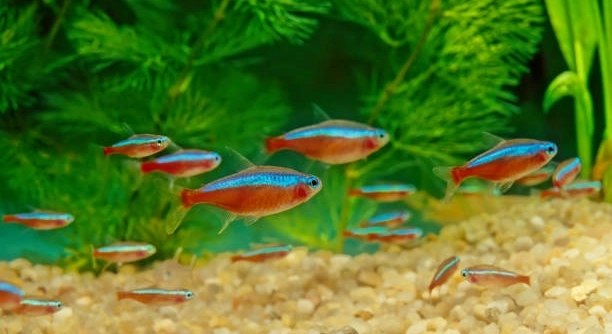
Are your tetra fish suddenly showing less interest in their food? Many fish owners notice this change and wonder what might be causing it. Tetras usually have steady appetites, so a loss of interest can feel worrying or confusing.
Tetras losing interest in food can result from various factors, including poor water quality, stress, illness, inappropriate diet, tank overcrowding, sudden changes in environment, or aging. Each factor impacts their behavior and appetite in different ways.
Knowing the reasons behind this change will help you care better for your fish. Understanding these causes can improve their health and bring back their normal eating habits.
Poor Water Quality
Poor water quality is one of the most common reasons tetras lose interest in food. If the water in the tank is dirty or has high levels of toxins like ammonia or nitrites, fish can become stressed or sick. Tetras are sensitive to changes in water parameters, including pH, temperature, and hardness. When these factors are off, fish may stop eating as a reaction to their uncomfortable environment. Regular water testing and partial water changes are essential to keep the tank healthy. A clean, stable environment helps fish feel safe and maintain their appetite. Many fish owners don’t realize how quickly water conditions can change, especially in smaller tanks. Proper filtration and avoiding overfeeding also reduce waste buildup, keeping water quality at good levels.
Maintaining clean water with regular testing and partial changes supports a healthy appetite in tetras.
Watching water quality closely and acting fast can prevent many health issues in your tank. Consistency in care makes a big difference in how your fish behave and eat.
Stress and Tank Environment
Stress plays a major role in a tetra’s eating habits. Stress can come from overcrowding, aggressive tank mates, or sudden changes in the tank setup. When fish feel threatened or overwhelmed, they often stop eating. Even loud noises or vibrations near the tank can cause stress. To reduce stress, keep a peaceful environment with enough space for each fish. Adding hiding spots like plants or decorations can help tetras feel secure. Changing tank water or rearranging decorations should be done gradually to avoid shocking the fish. Monitoring how fish interact and adjusting the tank setup can improve their comfort and encourage eating. Paying attention to these details helps create a calm, stable environment where tetras thrive.
Illness and Disease
Illness can cause tetras to lose their appetite quickly. Common infections or parasites often make fish lethargic and uninterested in food. Early signs may be subtle, like slight changes in swimming or appearance.
When tetras get sick, their bodies focus on fighting infection rather than eating. Bacterial or fungal infections, parasites, and internal problems all reduce appetite. It’s important to watch for symptoms like faded colors, clamped fins, or unusual spots. Quarantining new fish before adding them to the tank can help prevent spreading disease. If illness is suspected, treating the tank or individual fish with appropriate medicine is necessary. Clean water and good nutrition support recovery. Ignoring these signs can lead to severe health problems or death, so quick action is key.
Preventing illness starts with tank hygiene, careful observation, and avoiding sudden changes. A healthy fish will almost always show interest in food.
Inappropriate Diet
Tetras need a balanced diet tailored to their species. Feeding only one type of food or low-quality flakes can cause them to lose interest. They require variety, including flakes, pellets, and occasional live or frozen foods. Poor nutrition weakens their immune system and lowers energy. Offering different food textures and flavors helps stimulate appetite. Overfeeding can also cause fish to refuse food because of discomfort or water pollution from leftover food. Proper portion sizes and feeding frequency keep tetras healthy and eager to eat. Adjusting diet to include vitamins and nutrients supports their natural behavior and growth. Understanding these needs improves their overall wellbeing.
Aging Fish
As tetras get older, their metabolism slows down. This natural change often reduces their appetite. Older fish may eat less and rest more, which is normal.
It’s important to adjust feeding amounts to avoid overfeeding aging fish. Provide easy-to-digest foods to support their health during this stage of life.
Overcrowding
Too many fish in one tank creates competition for food and space. Overcrowding increases stress and lowers water quality, both of which reduce appetite. Fish may hide or avoid eating when crowded, leading to further health issues.
Maintaining proper stocking levels and providing enough hiding spots helps reduce stress and keeps tetras eating regularly.
Sudden Environment Changes
Abrupt changes to the tank, such as new decorations, lighting, or water parameters, can unsettle tetras. This discomfort often causes them to stop eating temporarily.
Gradual adjustments allow fish to adapt better and maintain a healthy appetite over time.
FAQ
Why has my tetra suddenly stopped eating?
A sudden loss of appetite in tetras can be caused by stress, illness, poor water quality, or changes in their environment. Stress from new tank mates, overcrowding, or loud noises can make them shy away from food. Illness or parasites often reduce their desire to eat as well. Checking water parameters and observing fish behavior closely can help identify the problem early.
How can I improve my tetra’s appetite?
Improving appetite usually starts with maintaining clean water and a stable environment. Feeding a varied diet that includes flakes, pellets, and occasional live or frozen foods helps. Avoid overfeeding and remove uneaten food quickly to prevent water pollution. Creating hiding spots and reducing stressors like aggressive tank mates can encourage tetras to eat regularly.
Is it normal for tetras to lose interest in food sometimes?
Yes, occasional appetite changes can happen due to minor stress or natural behaviors, especially if there are recent changes in the tank. However, if the loss of interest lasts more than a few days, it’s important to investigate the cause. Prolonged refusal to eat can signal health or environmental issues.
Can water temperature affect my tetra’s eating habits?
Water temperature plays a big role in fish metabolism. If the temperature is too low, tetras become less active and eat less. If it’s too high, it can cause stress or oxygen problems, also lowering appetite. Keeping the tank within the recommended temperature range (usually 72-78°F) supports normal feeding behavior.
How often should I feed my tetras?
Tetras do well with small feedings twice a day. Giving only what they can eat within 2-3 minutes prevents leftover food from fouling the water. Overfeeding leads to poor water quality and can upset fish health, reducing appetite over time.
Can tank mates affect my tetra’s eating?
Yes, aggressive or larger tank mates may intimidate tetras, causing them to hide or avoid feeding. Make sure your tank community is peaceful and suitable in size. If aggression is noticed, separating fish or changing tank setup may be necessary to protect timid tetras.
What signs of illness should I watch for in my tetras?
Look for faded colors, clamped fins, erratic swimming, gasping at the surface, or white spots on the body. These signs often accompany loss of appetite. Early detection and treatment can prevent worsening of the disease and help fish recover their feeding habits.
Should I quarantine new fish before adding them to my tank?
Quarantining new fish for at least two weeks helps prevent introducing diseases that could stress or infect your tetras. A separate quarantine tank allows observation for illness and reduces risk of sudden appetite loss in your established fish.
Is aging the only reason my tetra is eating less?
Aging is a natural cause of decreased appetite, but it should not be the only assumption. Always rule out health or environmental problems first, as older fish still need proper care to maintain their quality of life.
Can changing the diet suddenly cause my tetras to stop eating?
Sudden diet changes can upset tetras, especially if the new food is unfamiliar or unappealing. Gradually introducing new foods over several days helps fish adjust and keeps them eating consistently. Mixing old and new food types is a good approach.
What can I do if my tetra refuses to eat for several days?
If a tetra refuses food for more than 2-3 days, check water quality and tank conditions immediately. Observe for illness symptoms and consider isolating the fish if needed. Consulting a vet or aquatic specialist may be necessary to diagnose and treat the issue promptly.
Does lighting affect tetra appetite?
Lighting influences fish behavior, including feeding. Too bright or too dim lighting can cause stress or confusion, reducing appetite. Using a consistent day-night cycle with moderate light helps tetras feel secure and maintain regular eating patterns.
Can stress from transportation affect feeding?
Yes, tetras often stop eating after transport due to stress and adjusting to a new environment. It may take several days for them to settle and resume normal feeding. Providing a calm, stable tank with hiding spots aids in recovery.
How important is tank size for tetra feeding behavior?
Small tanks can quickly accumulate waste, stressing fish and reducing appetite. Overcrowding is common in undersized tanks, causing competition and hiding. Providing a properly sized tank with good filtration supports healthy eating habits and overall well-being.
Are live foods better for encouraging tetras to eat?
Live foods like brine shrimp or daphnia can stimulate appetite because they mimic natural prey. Including them occasionally in the diet can encourage picky eaters or those recovering from illness. However, they should complement, not replace, balanced dry foods.
Final Thoughts
Tetras are beautiful and lively fish that can bring a lot of joy to any aquarium. However, when they lose interest in food, it can be concerning. Many factors can cause this change, from water quality and tank conditions to illness and stress. Paying close attention to these areas helps keep your fish healthy and eating well. Regular maintenance, like testing water and cleaning the tank, is one of the easiest ways to prevent problems before they start. By providing a stable environment, you support your tetras’ natural behavior and appetite.
Feeding your tetras a balanced diet is just as important as keeping the tank clean. Offering a variety of foods in appropriate amounts ensures they get the nutrition they need without overfeeding. Overfeeding can lead to leftover food that pollutes the water and harms your fish’s health. Introducing live or frozen foods occasionally can also help stimulate their appetite and provide essential nutrients. Watching how your tetras respond to different foods will guide you in finding what works best for them.
It’s normal for tetras to have occasional changes in appetite, especially as they age or when their environment changes. However, a lasting loss of interest in food is often a sign that something needs attention. Keeping an eye on their behavior, tank conditions, and diet will help you catch any issues early. When your tetras are comfortable and well cared for, they will usually show a healthy appetite and lively behavior. Taking the time to understand their needs makes a big difference in their well-being and enjoyment in your aquarium.

Hello,
If you enjoy the content that we create, please consider saying a "Thank You!" by leaving a tip.
Every little bit helps us continue crafting quality advice that supports the health, happiness, and well-being of pets around the world, for pets of all shapes, sizes, and species.
We really appreciate the kindness and support that you show us!