
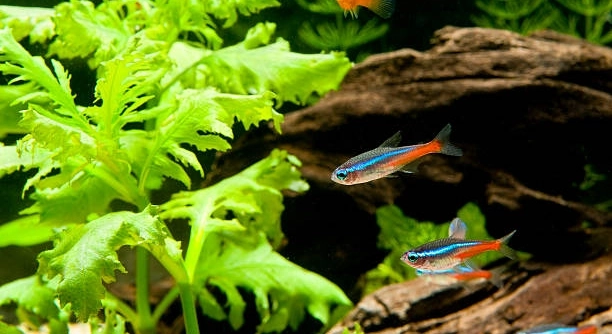
Have you ever set up a peaceful aquarium and found yourself fascinated by the quiet lives of your tiny tetras? These colorful fish seem simple, but there’s more to them than meets the eye—especially when it comes to breeding.
Tetra reproduction involves complex behaviors, environmental cues, and subtle physical changes that many casual fish keepers overlook. Understanding these hidden aspects is essential for those looking to maintain a healthy and thriving tetra community in their home aquariums.
From unique mating rituals to surprising survival tactics, this article uncovers the lesser-known facts that make tetra breeding both interesting and important for responsible fish care.
Tetras Don’t Lay Eggs Just Anywhere
In the wild, tetras don’t simply scatter eggs without thought. They choose specific spots based on safety, cover, and lighting. Many prefer dense plants, shaded corners, or fine-leaved vegetation to protect their eggs from predators and water currents. In home tanks, they’ll mimic these preferences. Breeding success often depends on creating the right environment—low lighting, soft water, and quiet spaces. Without these, they may not spawn at all. The right temperature also plays a role, usually around 78°F. These subtle needs are easy to miss, but they’re key to supporting natural behavior and improving your chances of seeing healthy fry.
A clean, dim, and plant-rich tank will make tetras feel secure enough to reproduce.
Once they find the right spot, female tetras can lay dozens or even hundreds of eggs. Males swim close behind, releasing sperm to fertilize them. This all happens very quickly and often early in the day.
Not All Tetras Parent Their Young
Most tetras don’t care for their eggs or fry. In fact, they’ll often eat them if left in the same tank. Because of this, many aquarists remove adult fish after spawning. This helps ensure more fry survive.
Some tetras have slightly better survival rates due to where they lay their eggs. Egg-scattering species, like neon and cardinal tetras, drop eggs in places with low visibility, like under leaves or in plant clusters. Even so, without separating them from adult fish, fry survival remains low. Breeding tanks are often used to help control conditions. These tanks are usually bare-bottomed, with spawning mops or fine mesh to catch the eggs. After spawning, the adults are taken out. Light is kept low, as eggs and fry are sensitive to brightness. The first few days are the most fragile for the fry, requiring clean water, steady temperatures, and microfoods like infusoria. These extra steps may sound like a lot, but they give fry the best chance at healthy growth.
Tetras Don’t Always Breed in Pairs
Tetras don’t always stick to one partner. In many cases, multiple males will chase a single female during spawning. This increases the chances of fertilization, especially in group settings where several fish are ready to breed at the same time.
In community tanks, you’ll often see more than one male pursuing a female at once. This group behavior is common and natural. It’s one reason why having a slightly higher ratio of males to females during breeding can help increase fertilization success. Males may compete for the female by showing brighter colors or faster movements. Once a female chooses a spot and begins to release eggs, the males follow closely to fertilize them. This chaotic process may look aggressive, but it’s part of their reproductive behavior. It also explains why a calm, controlled environment helps reduce stress and keeps breeding smoother for all the fish involved.
In small breeding tanks, this dynamic can still happen, especially if more than one male is introduced. While it may seem crowded, this setup often leads to more fertilized eggs. However, it’s important not to overstock the tank. Too many males can stress the female and reduce the chances of successful spawning. A 2:1 male-to-female ratio usually works well.
Egg Development Starts Fast
Tetra eggs begin developing almost immediately after fertilization. They’re tiny, usually clear or slightly yellow, and hard to see. Within hours, cell division starts. If kept in clean, warm water, embryos begin forming within 12 to 24 hours. By the second day, many are ready to hatch.
Water quality plays a big role in whether the eggs make it. Ammonia or temperature swings can cause them to fail early. Adding a few drops of methylene blue can help reduce fungus, which often spreads across clutches. It’s best to keep light low and avoid disturbing the tank. Most tetra eggs hatch within 24 to 48 hours, depending on the species and water temperature. Once they hatch, the fry are still very fragile and often cling to surfaces while absorbing their yolk sacs. During this stage, feeding isn’t needed yet—clean, stable water matters more than anything else for their survival.
Most Fry Are Practically Invisible
Tetra fry are almost transparent when they hatch. They are so small and still that you might not notice them at first. For the first few days, they stay hidden, often sticking to the tank glass or plants while absorbing their yolk sacs.
Because they’re so delicate, any disturbance—like sudden lights or movement—can stress them out. It’s best to keep the tank quiet and dim. Avoid filters with strong currents. A sponge filter works well and keeps the water clean without pulling the fry around.
Feeding Them Is Very Specific
Once the yolk sac is absorbed, fry need tiny food. They can’t eat regular flakes or pellets. For the first few days, infusoria or liquid fry food works best. After a week, you can switch to baby brine shrimp or finely crushed flakes. Overfeeding can pollute the tank quickly, so small, frequent feedings are better. Clean water is just as important as food at this stage. Do partial water changes daily with dechlorinated water to avoid waste buildup. Keeping the tank stable makes a big difference in their survival rate. Gradually, you’ll see them grow and become more active.
Growth Is Not Always Even
Some fry grow faster than others. It’s normal to see size differences in the same batch. Larger fry might outcompete smaller ones for food, so keeping feeding consistent helps even things out.
FAQ
How often do tetras breed?
Tetras can breed quite frequently when conditions are right. In a well-maintained tank with proper temperature, lighting, and clean water, they may spawn every few weeks. However, breeding depends on the health of the fish and their environment. If they are stressed, sick, or crowded, they may not breed at all. Most females need time to produce more eggs, while males can be ready again fairly quickly. Regular water changes, a steady diet, and a consistent day-night cycle all help support their natural breeding cycle without forcing it.
Do tetras breed in community tanks?
Tetras may spawn in community tanks, but raising the fry there is very difficult. The eggs are usually eaten by the adults or other fish almost immediately. Even if a few eggs survive, the fry are too small and fragile to compete for food or hide from danger. Breeding tanks are usually recommended for successful hatching and survival. In a community tank, you might not even notice the spawning has happened unless you look closely at the plants or tank corners soon after. For better results, it’s best to move a breeding pair or group into a separate setup.
What signs show tetras are ready to breed?
Females will look rounder when full of eggs, especially in the belly area. Males often become more colorful and active, chasing females and swimming around quickly. You may also notice pairs separating from the group and staying close to plant areas. These are signs they’re preparing to spawn. If the tank conditions are suitable—warm temperature, soft water, dim light—you may see spawning early in the day. It often happens quietly, and if you’re not watching closely, you might miss it. Watching their body shapes and behavior gives you the best clues.
Why do tetra eggs disappear so fast?
Tetra eggs are very small and sticky, often falling onto plants or the bottom of the tank. Adults can eat them within minutes of laying. The eggs are also fragile and can quickly turn white and spoil if the water is poor or if fungus spreads. This is why breeders use breeding tanks with spawning mops or mesh that protect the eggs from being eaten. If you notice eggs but they’re gone within a few hours, chances are the adults consumed them or the conditions weren’t right for development. Removing adults right after spawning can help preserve the eggs.
How can I tell if the eggs are fertilized?
Fertilized eggs usually stay clear or slightly amber-colored and remain firm. Unfertilized eggs turn white or opaque and often develop fungus. Within 24 hours, fertilized eggs begin to show tiny signs of development—small dark dots may appear, which are the growing embryos. If you’re unsure, try shining a small flashlight through the tank glass. Fertilized eggs may reflect light differently than spoiled ones. If most of the eggs turn white, it may be due to poor water quality, lack of fertilization, or not enough males being present during spawning.
How long do tetra fry take to grow?
Tetra fry grow slowly at first. In the first two weeks, they are very small and fragile. After about a month, you may begin to notice color forming and more active swimming. By 8 to 10 weeks, they usually resemble tiny versions of adult tetras, though not full-sized. Growth depends on food quality, tank conditions, and genetics. It’s common to see a mix of sizes in the same group. Regular water changes, high-quality fry food, and gentle filtration support steady growth. You can expect them to reach near adult size around three to four months of age.
Is breeding tetras difficult?
It’s not hard, but it does require patience and preparation. Tetras won’t breed well unless conditions are right. A separate breeding tank, gentle lighting, proper temperature, and soft water make all the difference. You also need to be ready to feed the fry tiny foods and keep the tank clean without strong currents. Once you understand their needs, it becomes easier with each attempt. The most common mistake is trying to breed them in a busy community tank. Giving them their own space makes the process much smoother and improves the chances of success.
Final Thoughts
Breeding tetras can seem tricky at first, but once you understand what they need, it becomes more manageable. These fish follow natural patterns that are easy to miss if you’re not paying close attention. They need quiet, clean water, soft lighting, and the right temperature to feel comfortable enough to spawn. Most tetras don’t care for their eggs or fry, which is why having a separate tank or safe setup is so important. It might take a few tries to get it right, and that’s okay. Breeding is a slow process, and even small improvements in the setup can make a big difference over time.
Watching fry grow can be rewarding. At first, they’re barely visible, but with proper food, clean water, and time, they grow stronger and start to show their adult colors. Each stage brings changes, and even if some fry don’t survive, it helps you learn what works best in your tank. Not all batches will grow evenly, and that’s normal. What matters most is creating a space that supports healthy development. It’s not about doing everything perfectly. It’s about staying patient and consistent. With time, you’ll notice the results, and each new group of fry will likely do better than the last.
You don’t need a fancy setup or expensive tools to breed tetras successfully. A simple tank, gentle filtration, live plants or spawning mops, and basic knowledge of their breeding habits are enough to get started. Many people find joy in observing the process, learning the small signs of behavior changes, and seeing the tiny fry appear after a successful spawn. It may take a bit of effort to get going, but the outcome is often worth it. Whether you’re raising just a few fry or planning to grow your tetra group, taking the time to understand their needs will help both you and your fish.

Hello,
If you enjoy the content that we create, please consider saying a "Thank You!" by leaving a tip.
Every little bit helps us continue crafting quality advice that supports the health, happiness, and well-being of pets around the world, for pets of all shapes, sizes, and species.
We really appreciate the kindness and support that you show us!