
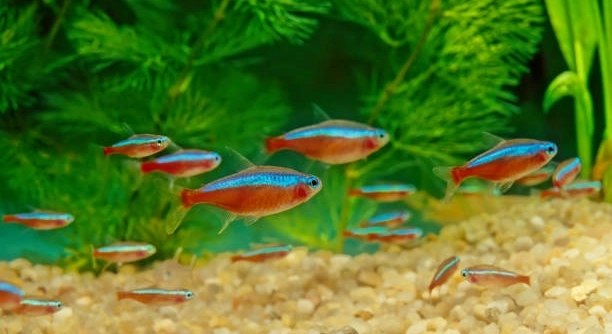
Are your tetra fish gathering tightly in one corner of their tank? This behavior can be puzzling for many aquarium owners who want to ensure their fish are comfortable and healthy. Understanding why this happens can improve your tank’s environment.
Tetras crowding in a tank corner often indicate stress, poor water quality, or inadequate space. These factors limit their movement and cause them to seek refuge in one area. Proper tank maintenance and environment adjustments can reduce this behavior.
Knowing the reasons behind this behavior helps you create a better home for your fish. This article will explain common causes and practical solutions to help your tetras thrive.
Common Causes of Tetras Crowding in Tank Corners
Tetras often gather in tank corners due to stress or discomfort in their environment. Poor water quality, including high ammonia or nitrate levels, can make them seek refuge in a quieter spot. Limited space or overcrowding in the tank also restricts their natural swimming patterns, causing them to cluster. Additionally, sudden changes like new decorations, aggressive tank mates, or fluctuating temperatures may lead to this behavior. Sometimes, disease or parasites cause fish to isolate themselves, making the corner a safe zone. Monitoring water parameters regularly and providing enough space helps maintain their health. Observing fish behavior closely can reveal early signs of stress or illness before it worsens. Keeping a stable environment with proper filtration and routine water changes supports their comfort. Tetras prefer calm, well-planted tanks where they feel secure. Adjusting tank setup to reduce sharp corners or creating open swimming areas encourages more natural movement and reduces crowding.
Stress or poor conditions usually cause tetras to crowd in tank corners, signaling a need for better care.
Maintaining balanced water chemistry and ensuring enough room for swimming will encourage healthier behavior. Adjustments to tank mates and decorations can further reduce stress. Regular health checks are important to catch any illnesses early. This care routine promotes a peaceful, active tank where tetras can swim freely and avoid hiding in corners.
How to Improve Your Tank Environment for Tetras
A well-maintained tank is key to preventing crowding behavior. Proper filtration and regular water changes keep water clean and safe. Make sure your tank size suits the number of tetras, allowing enough space for swimming. Avoid overcrowding by limiting the number of fish. Adding plants or decorations gives fish places to hide and feel secure, but don’t clutter the tank too much. Stable water temperature and gentle lighting help keep tetras calm. Monitoring pH and hardness levels appropriate for tetras supports their health. Choosing peaceful tank mates reduces aggression and stress. Keeping the tank quiet and avoiding sudden movements near the aquarium minimizes fright. Regular observation helps you notice changes in behavior early, so you can adjust care as needed. These steps create a comfortable habitat where tetras will swim actively and avoid crowding corners, improving their overall well-being and appearance.
Signs of Stress in Tetras
Tetras showing stress often swim erratically or stay still in one spot. They may lose color or hide more than usual. Stress affects their appetite and overall health. Spotting these signs early helps prevent serious problems and keeps your fish comfortable in their tank.
When tetras crowd in a corner, it’s usually a stress response. Changes in water quality, temperature, or tank mates can cause this. Stress weakens their immune system, making them prone to illness. Pay attention to unusual swimming patterns or loss of appetite. Removing stressors quickly helps fish recover. Keeping the environment stable is important for their well-being.
Physical signs like faded color or clamped fins also indicate stress. Fish that refuse food or show sluggish behavior may be sick. Testing water parameters and adjusting tank conditions can reduce stress. Sometimes adding hiding spots helps fish feel safer. Regular monitoring supports healthier, more active tetras.
How Tank Size Affects Tetra Behavior
Tank size is crucial for healthy tetra behavior. Small tanks limit their movement, causing crowding and stress. A larger tank gives them space to swim freely and explore. Tetras are active fish that need room to feel comfortable.
Inadequate tank size leads to poor water quality because waste accumulates faster in small volumes. This affects fish health and increases stress. A 20-gallon tank is often recommended for a small school of tetras to ensure enough space and stable conditions. Overcrowding results in competition for food and hiding spots, which can lead to aggression. Providing ample room helps maintain peaceful behavior and supports natural schooling, reducing the chance of corner crowding.
Water Quality and Its Impact
Poor water quality is a common cause of tetras crowding in one spot. High levels of ammonia, nitrites, or nitrates stress the fish and make them seek safe areas.
Regular testing and water changes keep parameters stable. Clean water supports their health and encourages normal swimming behavior.
Tank Decorations and Layout
Too many decorations or sharp corners can limit swimming space. Tetras may gather in open corners if other areas feel cramped or unsafe.
Arranging plants and ornaments to create open swimming zones helps tetras spread out. Providing hiding places without overcrowding promotes comfort and reduces corner crowding.
Temperature and Lighting
Tetras prefer stable, moderate temperatures between 72°F and 78°F. Fluctuations or extreme heat can cause stress and corner crowding.
Lighting should be gentle and consistent. Sudden bright lights may frighten tetras, causing them to hide in tank corners.
FAQ
Why are my tetras always crowding in one corner?
Tetras crowding in a corner usually means they are stressed or uncomfortable. Common reasons include poor water quality, inadequate tank size, or sudden changes in their environment. Stress causes them to seek safety in a smaller, quieter space. Checking water parameters and tank conditions often reveals the cause.
How can I improve water quality for my tetras?
Regular water testing and partial water changes are essential. Remove uneaten food and debris to reduce waste buildup. Use a good filter that suits your tank size. Avoid overfeeding, as excess food decomposes and harms water quality. Keeping parameters stable supports healthier fish.
What tank size is best for a group of tetras?
A minimum of 20 gallons is recommended for a small school of tetras. This provides enough swimming space and helps maintain stable water conditions. Larger tanks reduce stress and allow natural schooling behavior. Avoid overcrowding by following fish stocking guidelines.
Can tank decorations cause stress to tetras?
Yes, too many decorations or sharp objects can limit swimming space and cause stress. Overcrowded tanks make tetras feel trapped and uncomfortable. Providing hiding spots without overcrowding the tank helps fish feel safe while giving them enough room to swim freely.
How important is stable temperature for tetras?
Very important. Tetras thrive between 72°F and 78°F. Sudden temperature changes can shock them and cause stress. Use a reliable heater and thermometer to keep the temperature steady. Avoid placing the tank near drafts or heat sources.
Why do tetras hide more after adding new fish?
New fish can disrupt the tank’s social balance. Tetras may hide to avoid aggression or stress. Introducing fish slowly and providing plenty of hiding places helps reduce tension. Monitor behavior to ensure all fish are adjusting well.
What signs of illness should I watch for in tetras?
Look for faded colors, clamped fins, loss of appetite, and unusual swimming patterns. White spots or visible parasites also indicate health issues. Early detection and treatment improve recovery chances.
Can poor lighting affect tetra behavior?
Yes. Bright or flickering lights can frighten tetras and make them hide. Use gentle, consistent lighting to mimic their natural environment. Adjust light duration to avoid stress and support their normal activity.
How often should I clean my tetra tank?
Partial water changes of 20-30% every week or two keep the tank clean and water parameters stable. Avoid full cleanings that remove beneficial bacteria. Regularly clean the filter but do not overdo it to maintain a healthy balance.
Is overcrowding a common problem with tetras?
Yes, overcrowding stresses tetras and leads to aggressive behavior and poor water quality. Keep the number of fish appropriate for your tank size. A well-planned stocking reduces stress and promotes healthy interactions.
Final Thoughts
Tetras crowding in one corner of the tank is a clear sign that something in their environment needs attention. This behavior is often caused by stress from poor water quality, inadequate space, or changes in their surroundings. By carefully observing your fish and testing the water regularly, you can identify what is bothering them. Addressing these issues helps create a comfortable home where your tetras feel safe and swim freely.
Keeping your tank clean and properly maintained is one of the best ways to prevent stress in tetras. Regular water changes, good filtration, and avoiding overcrowding all contribute to a healthy environment. It’s also important to provide enough space and suitable decorations that do not block swimming paths. A balanced setup supports natural behavior and reduces the chances of your fish feeling the need to hide or crowd together.
Remember, tetras are active and social fish that thrive in stable conditions. Small changes in water temperature, lighting, or tank mates can impact their comfort and health. Paying attention to their behavior and making adjustments quickly will keep them happy. Taking the time to maintain a well-balanced tank ensures your tetras will not only survive but flourish in their aquatic home.

Hello,
If you enjoy the content that we create, please consider saying a "Thank You!" by leaving a tip.
Every little bit helps us continue crafting quality advice that supports the health, happiness, and well-being of pets around the world, for pets of all shapes, sizes, and species.
We really appreciate the kindness and support that you show us!