
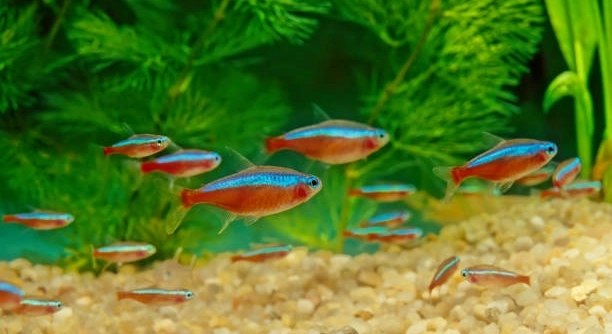
Raising baby tetras can be both rewarding and challenging for fish enthusiasts. These small, vibrant fish require specific care to thrive and grow strong in home aquariums. Proper knowledge of their needs helps ensure a healthy environment from the start.
The key to raising strong baby tetras involves maintaining optimal water conditions, providing a nutritious diet, and minimizing stress factors. Consistent temperature, clean water, and appropriate tank mates contribute significantly to their development and survival rates.
Understanding these essential care tips will support the growth of your baby tetras. The following secrets reveal how to create the best environment for these delicate fish.
Creating the Ideal Tank Environment
Setting up the right tank environment is the first step in raising strong baby tetras. A tank of at least 10 gallons is recommended to give them enough space to swim freely. The water should be kept clean with a gentle filter that won’t create strong currents, as baby tetras prefer calm water. The temperature needs to be stable, ideally between 75°F and 80°F, to mimic their natural habitat. Adding live plants provides shelter and helps maintain water quality by absorbing harmful toxins. Substrate choice is also important; fine gravel or sand works best. Regular water changes of about 20% weekly will keep the environment healthy and reduce waste buildup. Avoid overcrowding to prevent stress and ensure proper oxygen levels. These conditions form the foundation for healthy growth and development.
Maintaining water stability and cleanliness is crucial for baby tetra health. Small changes can cause stress and illness.
Providing a stable environment encourages natural behaviors and reduces mortality. Baby tetras rely on clear water and gentle conditions to develop properly. Plants offer hiding spots, which help lower stress. Keeping water parameters consistent promotes strong immune systems. Avoiding rapid changes prevents shock and disease. Proper care at this stage leads to active, vibrant fish that grow quickly and resist common illnesses.
Feeding Baby Tetras Properly
Baby tetras need a balanced diet tailored to their small size. Initially, they require microscopic foods such as infusoria or specially prepared liquid fry food because their mouths are too tiny for regular flakes. As they grow, you can introduce finely crushed flakes or small live foods like baby brine shrimp. Feeding small amounts multiple times a day ensures they get enough nutrients without fouling the tank. Overfeeding can quickly pollute the water and harm the fry, so it is important to feed just what they can consume within a few minutes. Quality food supports proper growth, coloration, and energy levels. It also strengthens their immune systems, helping them avoid common diseases.
Feeding baby tetras multiple times daily in small portions supports healthy growth and water quality.
Gradually changing food types is essential as baby tetras develop. Starting with microscopic foods ensures they get the nutrients needed in early stages. Introducing live foods helps promote natural hunting instincts and better digestion. Once they reach a few weeks old, they can transition to small flakes or pellets designed for tropical fish. Variety in diet improves overall health and vibrant coloration. Keeping feeding consistent avoids nutritional gaps or stress. Good feeding habits combined with tank care ensure your baby tetras grow strong and lively.
Monitoring Water Quality Regularly
Regular water testing is essential to keep baby tetras healthy. Parameters like pH, ammonia, nitrite, and nitrate levels must be checked frequently. Sudden changes can be harmful and cause stress or illness.
Keeping the pH stable between 6.5 and 7.5 is best for baby tetras. Ammonia and nitrite should always be at zero, as these compounds are toxic. Nitrate should stay below 20 ppm to prevent long-term health problems. Testing kits are affordable and easy to use, making routine checks simple. Regular water changes help maintain these levels, especially in tanks with many fry. Monitoring water quality avoids problems before they become serious.
Using water conditioners can remove harmful chemicals like chlorine and chloramine, which are common in tap water. Proper filtration and a well-maintained tank cycle reduce toxic buildup. Consistency in testing and care supports a healthy environment for baby tetras to grow and thrive.
Avoiding Common Stress Factors
Baby tetras are sensitive to stress, which can weaken their immune systems. Avoid sudden changes in water temperature or quality to prevent unnecessary strain.
Stress factors include overcrowding, aggressive tank mates, and frequent loud noises near the aquarium. Handling the tank or its inhabitants too often can also cause stress. Keeping the tank in a quiet, stable place with minimal disturbances is important. Providing plenty of hiding spots reduces anxiety for baby tetras, giving them a sense of security. Stress management helps reduce disease risk and promotes natural behavior.
Bright lighting can also stress baby tetras if it’s too intense or on for too long. Using dim or indirect lighting mimics their natural environment better. Keeping a consistent day-night cycle encourages healthy sleep patterns and activity levels. Small adjustments in tank setup go a long way in reducing stress and ensuring the well-being of your baby tetras.
Choosing the Right Tank Mates
Not all fish make good companions for baby tetras. Avoid aggressive or larger species that might harm or stress them. Peaceful, small fish are better suited for a shared tank.
Compatible tank mates include other small tetras, rasboras, and peaceful bottom dwellers like Corydoras catfish. These species coexist well and do not compete aggressively for food or space.
Maintaining Proper Lighting
Baby tetras do well under moderate, natural-like lighting. Avoid overly bright lights, which can cause stress and reduce their activity. A balanced lighting schedule helps regulate their behavior.
Regular Tank Cleaning
Cleaning the tank regularly prevents harmful waste buildup. Partial water changes and substrate cleaning are essential to maintain water quality and keep baby tetras healthy.
Avoiding Overcrowding
Too many fish in one tank leads to poor water quality and stress. Keep the population balanced for healthier growth and reduced disease risk.
FAQ
How often should I feed baby tetras?
Baby tetras need to be fed small amounts multiple times a day, usually three to four times. Their tiny mouths and fast metabolisms mean they require frequent meals. Overfeeding should be avoided to keep the water clean and prevent health issues. Feeding just what they can consume within a few minutes is best.
What water temperature is best for baby tetras?
A stable temperature between 75°F and 80°F supports healthy growth. Sudden changes in temperature can stress the fish and make them vulnerable to disease. Using an aquarium heater and thermometer helps maintain a consistent environment, which is crucial for baby tetras.
Can I use tap water for my baby tetra tank?
Tap water can be used, but it must be treated first. Chemicals like chlorine and chloramine in tap water are harmful to fish. Using a water conditioner neutralizes these substances and makes the water safe. Testing the water before adding it to the tank is also important to avoid sudden changes in water chemistry.
How often should I do water changes?
Weekly water changes of about 20% are recommended. This helps remove toxins and keeps nitrate levels low. Changing too much water at once can shock baby tetras, so gradual, consistent changes are best. Regular water changes are key to maintaining a healthy environment.
What size tank do baby tetras need?
A minimum tank size of 10 gallons is recommended for raising baby tetras. This size provides enough space for swimming and helps maintain stable water conditions. Overcrowding should be avoided to reduce stress and ensure each fish has enough room to grow.
What are signs of illness in baby tetras?
Common signs include lethargy, loss of appetite, clamped fins, and abnormal swimming. White spots or discoloration on the body may indicate disease. Early detection and quick action, such as water changes or medication, help prevent serious health problems.
Are baby tetras social fish?
Yes, baby tetras are social and thrive in groups. Keeping them in schools of at least six helps reduce stress and encourages natural behavior. Isolation can cause anxiety and impact their growth and immune system.
Can I use a filter with baby tetras?
Filters are necessary but should provide gentle water flow. Strong currents can tire out baby tetras and stress them. Sponge filters or adjustable filters are good options because they clean the water without disturbing the fry.
How long do baby tetras take to grow?
Baby tetras grow quickly under good conditions. They usually reach adult size in about 3 to 4 months. Proper feeding, water quality, and low stress all contribute to healthy growth and development during this period.
Is it okay to mix baby tetras with other species?
Mixing is possible but requires careful selection of tank mates. Peaceful, small fish that won’t harm or compete aggressively are best. Avoid larger, aggressive species that could stress or eat the baby tetras. Proper tank setup and monitoring help maintain harmony.
Raising strong baby tetras requires attention to several key factors, each contributing to their health and development. Consistently maintaining a clean, stable tank environment with proper temperature and water quality is essential. Baby tetras are sensitive to sudden changes, so gradual adjustments and regular monitoring help avoid stress and illness. Providing adequate space and peaceful tank mates also supports their well-being. Careful attention to these details creates a solid foundation for raising healthy fish.
Feeding baby tetras properly is equally important. Their small size demands specialized food like infusoria or baby brine shrimp in the early days, gradually transitioning to finely crushed flakes or pellets. Frequent, small feedings prevent overfeeding and maintain water quality. Balanced nutrition supports strong growth, coloration, and immune function. Overfeeding can quickly harm the tank environment, so feeding what the fish consume within a few minutes is the best practice.
Finally, observing baby tetras regularly allows for early detection of potential problems. Changes in behavior, appetite, or appearance can signal stress or illness. Addressing these issues promptly by adjusting tank conditions or seeking treatment helps prevent more serious complications. With consistent care, patience, and attention, raising strong baby tetras becomes a manageable and rewarding experience. Following these guidelines ensures your baby tetras will thrive and bring vibrant life to your aquarium.

Hello,
If you enjoy the content that we create, please consider saying a "Thank You!" by leaving a tip.
Every little bit helps us continue crafting quality advice that supports the health, happiness, and well-being of pets around the world, for pets of all shapes, sizes, and species.
We really appreciate the kindness and support that you show us!