
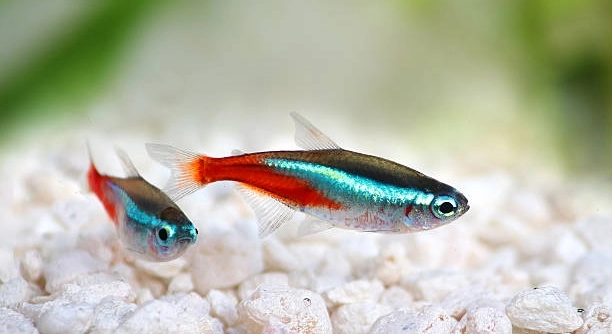
Are your tetras swimming peacefully but not showing signs of breeding, even after weeks of care and attention in your aquarium?
The most effective way to boost breeding behavior in tetras is by replicating their natural environment. This includes adjusting water temperature, lighting, and providing soft, slightly acidic water with plenty of plants for hiding and spawning.
Small changes in their tank setup and routine can make a noticeable difference in their readiness to breed.
Adjust the Water Temperature
Raising the water temperature helps trigger breeding behavior in tetras. Most species respond well to a slight increase, usually between 78°F and 82°F. Warmer water mimics the conditions found during the rainy season in their native habitats, which is when they naturally breed. Use a reliable aquarium heater and thermometer to maintain a stable temperature. Sudden changes can cause stress, so always adjust the temperature gradually. Keep a close watch during this time, especially if you house other fish in the same tank. A consistent temperature encourages activity, and in many cases, you’ll notice a boost in courtship behavior.
Warm water can increase metabolism and stimulate movement, which supports mating interest and egg production.
Once the temperature is adjusted, allow your tetras a few days to respond. You might see males chasing females or swimming in pairs. These are positive signs, and they usually happen in the early morning hours when lights are just coming on.
Create a Separate Breeding Tank
A separate breeding tank offers a more controlled environment for your tetras. It also keeps eggs safe from being eaten by adult fish.
Set up a small tank with soft, slightly acidic water (pH between 6.0 and 6.5). Keep the lighting dim and add fine-leaved plants or spawning mops for egg laying. A sponge filter helps keep water clean without pulling in fry. Limit distractions by placing the tank in a quiet area and maintain a stable temperature between 78°F and 82°F. Use water from the main tank to reduce shock. Once the pair is placed in the breeding tank, monitor them closely. Males may chase the females or flash their colors. After spawning, remove the adults to prevent them from eating the eggs. The eggs will hatch in about 24 to 36 hours. Feed the fry infusoria or liquid fry food until they are big enough to eat baby brine shrimp.
Condition the Breeding Pair
Feed high-protein foods like bloodworms, brine shrimp, or daphnia twice a day to improve health and encourage spawning. Live foods work best, but frozen options can be effective too if used regularly. Condition both the male and female for about a week before introducing them to the breeding tank.
Good conditioning ensures that both fish are ready to spawn. Look for physical signs like a rounder belly in the female and brighter coloring in the male. Feeding them quality protein helps produce healthier eggs and sperm. Avoid overfeeding to keep the tank clean. Once conditioned, place the pair in the breeding tank during the evening. Most tetras spawn at dawn, so this timing helps. You might notice the male chasing the female more often, nudging her sides. If spawning doesn’t happen after two days, separate them, recondition, and try again later. Patience is important with breeding behavior.
After successful conditioning, you may see eggs scattered among the plants or mops by morning. These eggs are small and slightly adhesive. Remove the adults quickly to avoid egg loss. Maintain dim lighting and avoid disturbing the tank. The eggs should remain still and clear. Cloudy or fuzzy eggs are likely not viable and can be removed.
Maintain Water Quality
Clean water is one of the most important factors for triggering successful breeding. Tetras are sensitive to dirty or unstable water, so change 25–30% of the tank water every other day during the breeding period. Use a water conditioner to neutralize chlorine and keep pH between 6.0 and 6.5 for best results.
Stable water conditions reduce stress and increase the chances of successful egg laying. Make sure the filter is gentle, especially if you’re using a sponge filter. Test ammonia, nitrite, and nitrate levels regularly, aiming for zero ammonia and nitrites. Nitrates should stay below 20 ppm. Sudden spikes can interrupt spawning behavior. Avoid stirring up debris during cleaning to protect the eggs. If using plants or moss, gently rinse them before placing them in the tank. Never clean all parts of the tank at once—rotate areas to keep the beneficial bacteria intact. Consistency and care help your tetras stay comfortable and ready to breed.
Use Dim Lighting
Tetras prefer low lighting when it’s time to breed. Bright lights can stress them or delay spawning behavior. Use a dim LED or place floating plants on the surface to reduce brightness naturally. Keep lighting soft, especially during early morning and evening hours.
Low light also helps protect eggs after spawning. Harsh lighting can make eggs more visible to adult fish, increasing the chance of them being eaten. After removing the adults, continue using soft lighting to keep the fry comfortable. Avoid sudden changes in brightness, which can startle or stress the young fish during their early stages.
Add Fine-Leaved Plants or Spawning Mops
Fine-leaved plants like java moss or spawning mops give tetras a safe place to scatter their eggs. These materials help catch and protect the eggs from being eaten or lost in the gravel. Place them in quiet corners of the breeding tank. Tetras usually target these spots during spawning.
Watch for Early Spawning Signs
Look for chasing, shimmying, or quick, darting movements from the males. Females may slow down or hover near plants.
How long does it take for tetra eggs to hatch?
Tetra eggs usually hatch within 24 to 36 hours after spawning, depending on water temperature. Warmer water speeds up the process, while cooler water slows it down. Once hatched, the fry will stay attached to surfaces for a day or two before swimming freely. It’s important to keep the water clean and stable during this period to support healthy development.
What should I feed tetra fry?
Newly hatched tetra fry are very small and need tiny food like infusoria or liquid fry food for the first few days. After about five days, you can start feeding them freshly hatched baby brine shrimp or finely crushed flakes. Feeding small amounts multiple times a day encourages growth and reduces waste that could pollute the water.
Can adult tetras eat their own eggs?
Yes, adult tetras often eat their own eggs if left in the same tank. This is why removing the parents right after spawning is crucial. Separating adults protects the eggs and increases the chances that more fry survive to maturity.
How often should I change water in a breeding tank?
During the breeding and fry-rearing period, change about 25% of the water every other day. Use conditioned water that matches the tank’s temperature and pH. Regular water changes keep ammonia and nitrite levels low, which is essential for the fry’s health.
Is it necessary to use a separate breeding tank?
Using a separate breeding tank is highly recommended. It offers a controlled environment with fewer threats to eggs and fry. It also helps you manage water quality more easily. In the main tank, eggs are at risk from other fish and fluctuating conditions.
Can I breed different tetra species together?
It’s best to breed tetras within the same species. Crossbreeding can lead to unhealthy offspring or no viable fry at all. Keeping species separate ensures clearer breeding behavior and better survival rates for the fry.
How do I tell if my female tetra is ready to spawn?
A ready female typically has a fuller, rounder belly. She may appear slightly swollen with eggs. This physical change is a good indicator that she is mature and prepared for breeding. Along with behavior changes like slowing down or hiding, it signals breeding time.
What water parameters are best for breeding tetras?
Tetras prefer soft, slightly acidic water with a pH between 6.0 and 6.5 and a temperature between 78°F and 82°F. Low hardness encourages egg laying and fry development. Maintaining these parameters steadily improves breeding success.
How long do tetra fry take to grow into adults?
Tetra fry usually reach adult size in about 6 to 8 months. Growth speed depends on feeding, water quality, and tank conditions. Proper care during the fry stage is key to raising healthy adult fish.
Can I keep fry in the same tank after they hatch?
It’s not recommended to keep fry with adult fish or unprotected in the main tank. Fry are small and vulnerable to being eaten. Using a separate grow-out tank or breeding tank ensures higher survival rates. Gradually introduce fry to the main tank once they’re large enough to avoid predation.
Breeding tetras can be a rewarding experience when the right steps are followed. Creating the best environment for them requires attention to water quality, temperature, and tank setup. Adjusting these factors helps mimic their natural habitat and encourages spawning behavior. Feeding the breeding pair high-quality protein foods improves their health and readiness to reproduce. Using a separate breeding tank allows better control and protection for eggs and fry. These measures create conditions where tetras feel comfortable and safe enough to breed successfully.
Maintaining stable water conditions during breeding is crucial. Regular water changes, proper filtration, and careful monitoring of pH and temperature help reduce stress for both adults and fry. Removing adult fish after spawning protects the eggs from being eaten. Providing fine-leaved plants or spawning mops gives tetras a secure place to lay eggs. Controlling lighting with soft, dim light encourages natural behavior and keeps the eggs and fry calm. These simple but important details can make a big difference in breeding success.
Patience and careful observation are necessary when encouraging breeding behavior in tetras. Not all attempts will result in eggs right away. Sometimes it takes a few conditioning cycles or slight adjustments to water conditions to see results. Watching the fish closely for signs like chasing or changes in color helps identify when they are ready to spawn. Taking small, consistent steps in care will improve the chances of healthy eggs and strong fry. With time and attention, breeding tetras can be a manageable and satisfying part of aquarium keeping.

Hello,
If you enjoy the content that we create, please consider saying a "Thank You!" by leaving a tip.
Every little bit helps us continue crafting quality advice that supports the health, happiness, and well-being of pets around the world, for pets of all shapes, sizes, and species.
We really appreciate the kindness and support that you show us!