
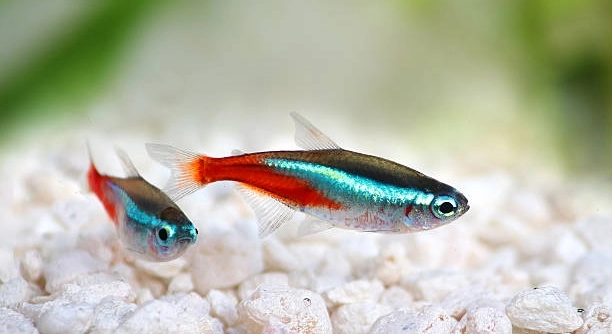
Many aquarium owners enjoy keeping Tetras for their vibrant colors and peaceful nature. Sometimes, these tanks crash suddenly without warning, leaving fish stressed or even worse. Understanding why this happens helps maintain a healthy, balanced tank environment.
Tetra tanks may crash overnight due to sudden changes in water quality, temperature fluctuations, poor filtration, overfeeding, overcrowding, disease outbreaks, or chemical contamination. Each factor disrupts the delicate ecosystem, causing rapid declines in fish health and water stability.
Knowing these common causes can help you protect your tank and avoid sudden crashes that put your Tetras at risk. The following explanations will guide you through what to watch for and how to prevent problems early.
Sudden Changes in Water Quality
Water quality can shift quickly without obvious signs. A spike in ammonia or nitrites is very harmful to Tetras, often caused by a buildup of waste or uneaten food. If the beneficial bacteria in the tank are disturbed, the nitrogen cycle can break down, leading to toxic water. These changes may happen overnight if filters fail or if there is a sudden increase in waste from overfeeding or overcrowding. Tetras are very sensitive to water conditions, so even small changes can cause stress or illness quickly. Regular water testing and timely water changes help keep these levels safe and stable.
Monitoring water parameters like pH, ammonia, nitrites, and nitrates regularly prevents dangerous fluctuations. Consistent maintenance is key to avoiding sudden crashes caused by poor water quality.
To keep your tank safe, always test the water before and after any changes. Avoid overfeeding, and remove leftover food promptly. Using a good quality filter and replacing filter media on schedule supports stable water chemistry and a healthy environment for your Tetras.
Temperature Fluctuations
Temperature changes in a Tetra tank should be avoided as they cause stress and weaken fish immune systems. A stable, warm environment between 72°F and 78°F is ideal. Sudden drops or rises can shock the fish, sometimes leading to rapid illness or death.
Keep a reliable heater and thermometer in the tank. Adjust only gradually when necessary. Place the tank away from windows or vents to prevent drafts or direct sunlight that cause temperature swings. Regular checks help catch problems early before they become serious.
Poor Filtration
A weak or clogged filter reduces water circulation and removes fewer toxins. This causes waste to build up quickly, making the tank unsafe for Tetras.
Filters keep water clean by removing debris and harmful substances. When a filter is dirty or too small, it cannot handle the waste produced by the fish. This leads to poor water quality, stressing your Tetras and making them vulnerable to disease. Cleaning or upgrading the filter regularly helps maintain a healthy environment.
Choosing the right filter depends on your tank size and fish load. Proper filtration not only clears waste but also supports beneficial bacteria growth. This biological filtration is essential to keeping ammonia and nitrites at safe levels. Regular maintenance ensures your filter works effectively and helps prevent sudden tank crashes.
Overfeeding
Overfeeding leads to leftover food that decomposes and pollutes the water. It causes spikes in ammonia and other harmful substances.
Feeding Tetras too much food overwhelms their digestion and leaves excess scraps in the tank. This decaying material increases toxic substances and encourages algae growth. Overfeeding can also cause obesity and weaken fish health. Stick to small portions that the fish finish within a few minutes. Monitoring feeding habits and adjusting amounts based on fish behavior will keep the tank cleaner and reduce water problems.
Avoid feeding at irregular times or too frequently. Instead, create a simple feeding schedule with measured portions. This practice prevents waste buildup and keeps your Tetras healthier over time. Managing feeding is one of the easiest ways to maintain good water quality and avoid unexpected tank crashes.
Overcrowding
Too many fish in one tank cause stress and poor water quality. Tetras need space to swim and thrive.
Overcrowding increases waste production, which the filter may not handle well. It also reduces oxygen levels and raises aggression among fish. Keeping an appropriate number of Tetras based on tank size prevents these issues and supports a peaceful environment.
Disease Outbreaks
Disease can spread quickly in a Tetra tank if conditions are poor or new fish introduce pathogens. Signs include lethargy, spots, or abnormal swimming. Quarantining new fish and maintaining clean water reduce disease risk. Early treatment is crucial to prevent rapid tank crashes caused by illness.
Chemical Contamination
Household cleaners, pesticides, or even contaminated decorations can poison your tank. Chemicals disrupt water chemistry and harm fish immediately. Always rinse new items thoroughly and keep harmful substances away from the aquarium area. Preventing chemical exposure protects your Tetras from sudden health declines.
FAQ
What is the most common reason a Tetra tank crashes overnight?
The most common reason is a sudden change in water quality, especially spikes in ammonia or nitrites. These toxins can build up quickly if the nitrogen cycle is disrupted or if the filter fails. Poor water quality stresses Tetras, making them vulnerable to illness or death, which can happen overnight.
How can I test my tank water at home?
You can buy simple test kits at pet stores or online. These kits measure important factors like ammonia, nitrites, nitrates, and pH. Testing regularly helps you spot problems early and make adjustments before the tank crashes.
How often should I change the water in my Tetra tank?
Changing about 20-25% of the water every one to two weeks is generally recommended. This helps keep toxins low and water fresh. Avoid changing too much water at once, as it can shock the fish by altering the water chemistry too rapidly.
Can temperature swings really kill my Tetras?
Yes, Tetras are sensitive to temperature changes. Rapid drops or rises weaken their immune systems and can cause shock or death. Keeping the temperature steady with a reliable heater and avoiding drafts is essential for their health.
How do I know if my filter is working properly?
A properly working filter should create gentle water movement and clear the water of debris. If the water smells bad or looks cloudy, or if the filter feels clogged, it may need cleaning or replacement. Regular maintenance keeps the filter effective.
Is it okay to feed my Tetras as much as they want?
No, overfeeding is harmful. Feed small amounts that your fish can finish in two to three minutes, once or twice a day. Excess food pollutes the water and causes health issues.
What should I do if I introduce new fish to the tank?
Quarantine new fish in a separate tank for at least two weeks before adding them. This helps prevent introducing diseases or parasites that could harm your established Tetras.
Can decorations or plants harm my tank?
Yes, if they are not aquarium-safe. Some decorations release chemicals or trap waste, polluting the water. Always rinse new items thoroughly and use only items made for aquariums.
How many Tetras should I keep in my tank?
A good rule is one inch of fish per gallon of water. Overcrowding causes stress and poor water quality, so keep the number of fish appropriate to your tank size.
What signs show my Tetras are stressed?
Look for unusual behavior like hiding, gasping at the surface, clamped fins, or loss of color. These signs mean something is wrong with the tank environment or the fish’s health.
How can I prevent my Tetra tank from crashing again?
Keep up with regular water testing, partial water changes, filter maintenance, and avoid overfeeding or overcrowding. Watch temperature closely and quarantine new fish. Consistency is key to a stable, healthy tank.
What should I do immediately if I notice a crash starting?
Perform a partial water change, check and clean the filter, and test water parameters. Remove any uneaten food or dead fish quickly. Adjust temperature if needed and observe the fish closely for signs of illness.
Are live plants helpful or harmful for a Tetra tank?
Live plants can help by absorbing toxins and providing oxygen. They also give fish places to hide and feel secure. However, decaying plants can pollute the water, so keep them healthy and remove dead leaves promptly.
Final Thoughts
Keeping a Tetra tank healthy takes attention and care. Sudden crashes happen when something in the tank changes too quickly or when important steps are missed. Water quality, temperature, filtration, feeding, and stocking all play important roles in keeping the tank stable. Being consistent with maintenance and paying attention to how your fish behave can prevent many problems before they get serious.
Testing the water regularly is one of the best ways to avoid crashes. Ammonia, nitrite, nitrate, and pH levels tell a lot about the tank’s health. If these numbers go out of balance, fish can get sick very fast. Changing part of the water on a schedule and keeping the filter clean helps keep these levels where they should be. Avoid sudden changes, like large water changes or adding too many new fish at once, because those can shock the system.
Finally, remember that Tetras are sensitive fish. They need a steady environment to thrive. Overfeeding, overcrowding, and temperature swings put them under stress and make the tank unsafe. Quarantining new fish before adding them and being careful with decorations or chemicals near the tank also protect your fish. Taking small, regular steps to care for your tank will keep your Tetras healthy and your aquarium peaceful for a long time.

Hello,
If you enjoy the content that we create, please consider saying a "Thank You!" by leaving a tip.
Every little bit helps us continue crafting quality advice that supports the health, happiness, and well-being of pets around the world, for pets of all shapes, sizes, and species.
We really appreciate the kindness and support that you show us!