
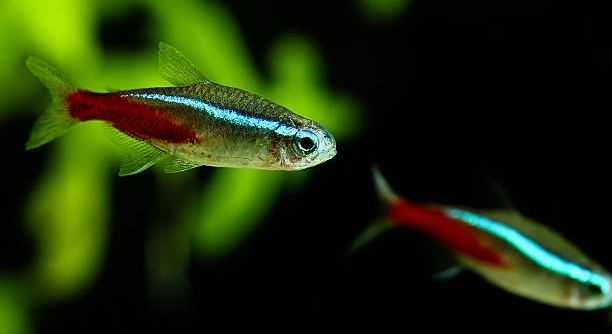
Many aquarium owners notice their tetra fish pecking at the sand in their tanks. This behavior can be puzzling and sometimes concerning. Understanding why tetras do this helps create a better environment for them.
Tetras peck at sand mainly to search for food particles or small organisms. This natural foraging behavior is a way for them to explore their environment and find nutrition. It also helps keep the tank substrate clean.
Learning more about this behavior can help improve your fish tank setup and ensure your tetras stay healthy and happy.
Why Tetras Peck at the Sand
Tetras peck at sand mostly because they are instinctively searching for food. In their natural habitats, they sift through riverbeds and lake bottoms to find tiny insects, algae, or other edible particles. This behavior helps them get necessary nutrients and keeps their diet varied. In home aquariums, the sand often traps leftover food or organic matter, which tetras try to eat. Sometimes, they also explore the sand simply out of curiosity or boredom. If the tank lacks proper feeding or environmental stimulation, pecking may increase. Watching them dig can be quite interesting, as it shows their natural habits even in captivity. Providing a balanced diet and an enriched tank can reduce excessive sand pecking and promote healthier behavior.
Tetras also help clean the tank by moving sand and stirring it up. This can prevent harmful bacteria buildup in the substrate.
Sand pecking is a natural behavior that reflects the tetra’s feeding instincts. Understanding this helps in setting up a better tank environment and prevents stress for the fish.
How to Keep Your Tetras Healthy
Maintaining a clean tank and feeding tetras properly is important for their health. Overfeeding can cause leftover food to build up in the sand, encouraging more pecking and possibly leading to poor water quality. Regular water changes and substrate cleaning reduce waste and keep the tank safe. Feeding tetras small, frequent meals with varied food like flakes, pellets, and live or frozen options supports their nutritional needs. Adding plants and hiding spots mimics their natural habitat and keeps them active without over-pecking the sand. It’s also helpful to monitor water temperature and pH to match their natural conditions. Taking these steps helps prevent stress-related behaviors and keeps your tetras lively and well.
Healthy tetras are less likely to show excessive sand pecking when their environment meets their needs. Attention to diet and tank care is key.
Creating a balanced tank setup ensures tetras display natural behaviors without damaging their home. This improves their overall well-being and longevity.
Is Sand Pecking Harmful to Tetras?
Sand pecking is usually harmless when done in moderation. It is a natural behavior that helps tetras find food and stay active.
However, excessive pecking can lead to problems. Constant digging may cause stress or injury to the fish if the substrate is too rough or sharp. It can also stir up debris, affecting water quality. If the sand is not clean or contains harmful substances, tetras may swallow particles that irritate their digestive system. Keeping the substrate smooth and clean minimizes these risks. Observing your fish for signs of stress or injury helps catch issues early and ensures they remain healthy.
Maintaining a balanced environment reduces the chance that sand pecking will cause harm.
Choosing the Right Substrate for Tetras
Soft, fine sand is best for tetras because it mimics their natural habitat and reduces the risk of injury during pecking. Coarse or sharp gravel can damage their delicate mouths and skin. Sand also allows tetras to sift and forage comfortably. Some aquarists prefer natural-colored sand to create a calm environment and highlight the fish’s colors. Avoid substrates treated with chemicals or dyes that could harm your fish. Regular cleaning of the substrate prevents buildup of harmful waste and keeps the tank healthy. By selecting the right substrate, you help your tetras behave naturally and stay safe.
In addition to safety, the substrate affects water chemistry. Sand can help maintain stable pH levels when chosen correctly.
It’s important to balance aesthetics with function when choosing substrate. Providing a soft, safe bottom encourages natural behaviors and prevents injuries. This choice supports your tank’s overall health and makes caring for your tetras easier.
When to Be Concerned About Sand Pecking
If your tetras are pecking excessively, it might signal a problem. Watch for signs like damaged fins, constant digging, or changes in behavior. These can indicate stress or poor water quality. Addressing the cause quickly helps prevent harm.
Sometimes, increased pecking means your tetras are bored or hungry. Providing enrichment and a better feeding routine can reduce this behavior and improve their well-being.
Feeding Tips to Reduce Sand Pecking
Feeding your tetras a balanced diet with varied foods is important to limit excessive sand pecking. Small, frequent meals prevent leftover food from accumulating in the substrate. Using sinking pellets or foods that float slowly helps tetras eat without digging too much. Including live or frozen foods adds nutrition and stimulates natural hunting instincts. Avoid overfeeding, which can lead to poor water quality and encourage more digging. Feeding tetras properly keeps them healthy and less likely to stress, helping reduce their need to search the sand for extra food.
Adding Plants to Your Tank
Live plants create hiding spots and natural cover for tetras, reducing stress and boredom. This can lower sand pecking behavior.
Why do my tetras keep pecking at the sand?
Tetras naturally search for food by pecking at the sand, mimicking their wild foraging habits. In an aquarium, they look for leftover food or tiny organisms trapped in the substrate. If they peck too much, it might mean their diet isn’t meeting all their needs, or they are bored. Ensuring a balanced feeding schedule and providing stimulation through plants or decorations can help reduce this behavior.
Is sand pecking harmful to my tetras?
In most cases, sand pecking is not harmful and is part of normal behavior. However, if the substrate is too rough or contains sharp particles, it could injure their mouths or bodies. Excessive pecking may also disturb the tank’s cleanliness, stirring up debris that affects water quality. Keeping the sand smooth and clean helps prevent problems.
How can I reduce excessive sand pecking?
Make sure you feed your tetras enough with a balanced diet, including flakes, pellets, and occasional live or frozen foods. Avoid overfeeding to prevent leftover food buildup. Add live plants or decorations to provide enrichment and reduce boredom. Regular tank maintenance, like water changes and substrate cleaning, will also improve their environment.
What type of sand is best for tetras?
Fine, soft sand is ideal. It mimics their natural environment and is gentle on their mouths and skin. Avoid coarse gravel or sharp-edged substrates that can cause injury. Natural-colored sand also creates a calm tank atmosphere and highlights the tetras’ bright colors. Clean the sand regularly to prevent waste buildup.
Can sand pecking indicate stress?
Yes, increased sand pecking can sometimes be a sign of stress. Stress can come from poor water conditions, overcrowding, or sudden changes in the tank. Watch for other signs like hiding, loss of appetite, or color fading. Fixing water quality and providing a stable environment helps reduce stress and related behaviors.
How often should I clean the sand?
Cleaning frequency depends on the tank size and number of fish. Generally, vacuuming the substrate during water changes every 1-2 weeks helps remove waste and uneaten food. This keeps the sand clean and reduces the risk of harmful bacteria growth. Over-cleaning can disturb beneficial bacteria, so gentle maintenance is best.
Do tetras eat sand by mistake?
Sometimes tetras swallow small amounts of sand while pecking. This is usually harmless if the sand is smooth and clean. However, if the sand contains chemicals, sharp particles, or dirt, it can irritate their digestive system. Using safe, aquarium-grade sand and regular cleaning prevents issues.
Will adding plants stop sand pecking?
Adding live plants provides hiding spots and natural cover, which can reduce boredom and stress. Plants also encourage more natural behaviors beyond pecking. While plants don’t completely stop sand pecking, they help keep tetras engaged and less likely to over-peck the substrate.
Can sand pecking cause tank cloudiness?
Yes, frequent digging stirs up sand particles and debris, making the water cloudy. This can reduce water quality and oxygen levels, stressing the fish. Regular tank maintenance, substrate cleaning, and avoiding overfeeding minimize this problem and keep the water clear.
Should I worry if my tetra pecks all day?
Constant pecking may indicate an issue such as poor diet, boredom, or stress. Check water parameters, feeding routines, and tank conditions. Providing a better diet, enrichment, and a clean environment usually helps calm this behavior. If the behavior continues and your fish looks unhealthy, consider consulting a specialist.
Can other fish in the tank influence tetra sand pecking?
Yes, tank mates may compete for food or space, causing tetras to peck more aggressively at the sand. Some fish stir up the substrate, encouraging others to do the same. Keeping compatible species and a balanced number of fish reduces competition and helps maintain calm tank behavior.
Is it okay to have bare-bottom tanks for tetras instead of sand?
Bare-bottom tanks eliminate sand pecking but remove natural foraging opportunities and comfort. While easier to clean, they may cause stress or boredom in tetras. If choosing bare-bottom, provide other enrichment like plants and hiding spots to keep your fish comfortable and active.
Tetras pecking at the sand is a common and natural behavior. It reflects their instinct to search for food and explore their environment. This behavior is normal and usually not a sign of any serious problem. In many cases, it can even be a sign that your fish are healthy and active. Watching your tetras dig in the substrate can give you insight into their natural habits and help you better understand what they need in their tank.
However, it is important to make sure that sand pecking does not become excessive or harmful. If your tetras are constantly digging or appear stressed, it may be a sign that something in their environment needs attention. This could include poor water quality, an improper diet, or a substrate that is not safe for them. Maintaining clean water, feeding your fish a balanced diet, and choosing a soft, fine sand substrate will reduce the risk of problems. Adding live plants and decorations can also help keep your tetras stimulated and reduce boredom, which can sometimes lead to more pecking.
Taking the time to observe your tetras and their behavior is key to providing a healthy home for them. Understanding why they peck at the sand will help you meet their needs better and create a safe, comfortable environment. By paying attention to feeding, tank conditions, and tank mates, you can enjoy watching your tetras thrive and show their natural behaviors without worry. Overall, sand pecking is a normal part of tetra life, and with proper care, it should not be a cause for concern.

Hello,
If you enjoy the content that we create, please consider saying a "Thank You!" by leaving a tip.
Every little bit helps us continue crafting quality advice that supports the health, happiness, and well-being of pets around the world, for pets of all shapes, sizes, and species.
We really appreciate the kindness and support that you show us!