
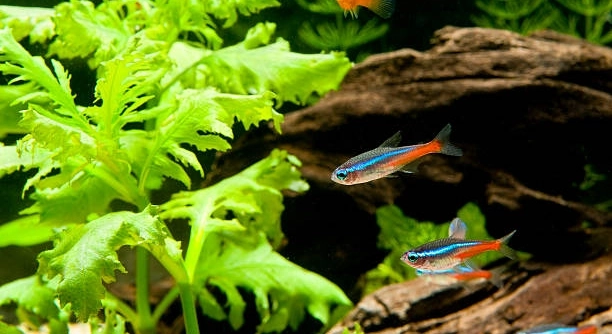
Are your tetra fish acting overly energetic and difficult to manage in their tank? Hyperactive behavior in tetras can be common but also concerning for fish owners. Managing their activity helps maintain a peaceful aquarium environment.
Calming hyperactive tetras involves adjusting their tank conditions, providing proper diet, and reducing stress triggers. These steps create a balanced environment that encourages calm behavior and supports the fish’s well-being.
Understanding these simple changes can make a big difference in your aquarium’s harmony and your tetra’s health. The following tips will help you create a calmer space for your lively tetras.
Adjust the Tank Environment
The tank environment plays a big role in your tetra’s behavior. If the water temperature is too warm or the lighting too bright, tetras can become restless and more active than usual. They prefer stable temperatures around 74-78°F (23-26°C). Sudden changes can make them nervous. Adding plants or decorations helps create hiding spots, which make tetras feel safe. A cramped tank or too much open space can also stress them out. Regular water changes keep the water clean and healthy, reducing agitation. Keeping the tank peaceful and calm will help your tetras settle down naturally.
Clean water and steady conditions keep your tetras comfortable and less jumpy.
A good tank setup balances space and shelter. Make sure your aquarium is large enough for your tetras to swim freely without overcrowding. Place live or artificial plants to break open swimming areas and create shaded spots. This reduces their stress and helps them feel secure. Avoid sudden noises or vibrations near the tank. A calm environment lowers their hyperactivity and promotes relaxed swimming. Regularly test water quality for ammonia, nitrites, and nitrates to maintain a safe habitat. Together, these changes will help calm your energetic tetras over time.
Feed a Balanced Diet
Feeding your tetras the right food impacts their energy levels.
A varied diet with quality flakes, pellets, and occasional live or frozen foods helps keep them healthy and calm. Avoid overfeeding, which can lead to excess energy and water pollution. Proper nutrition supports balanced behavior and growth.
Maintain Proper Tank Mates
Choosing the right tank mates helps reduce your tetra’s stress and hyperactivity. Aggressive or large fish can scare or chase tetras, making them overly active. Keep them with peaceful, similar-sized fish to promote calm behavior and a balanced social group.
Tetras feel more secure when their tank mates are non-threatening and swim at a similar pace. Aggressive fish cause constant stress, which raises activity levels and harms their health. Peaceful companions encourage natural, relaxed behavior. Avoid mixing tetras with large, fast, or territorial species. Instead, choose small schooling fish that share their temperament and environment needs. This reduces competition for food and space, creating a calmer tank atmosphere. Regular observation helps catch any signs of bullying or stress early, so you can act quickly to keep peace.
Proper social grouping is key. A well-chosen community tank fosters comfort and lowers anxiety, making hyperactivity less common among tetras.
Create a Calm Lighting Setup
Bright lights can overstimulate tetras, causing them to swim frantically or hide. Using dim or adjustable lighting helps them feel less exposed and more relaxed.
Soft lighting mimics their natural habitat and reduces stress. Tetras come from shaded streams and rivers where light filters gently through plants. Using floating plants or adjustable LED lights lets you control brightness levels. Avoid sudden changes in lighting by turning lights on and off gradually with timers. This steady environment helps fish adapt better. A calm lighting setup reduces nervous energy and helps your tetras swim calmly. It also supports natural behaviors like resting and schooling. Taking time to set up appropriate lighting makes a noticeable difference in their activity levels and overall well-being.
Reduce Noise and Vibrations
Loud noises and vibrations near the tank stress tetras, making them swim frantically. Keep the tank in a quiet, stable place away from heavy foot traffic or loud appliances.
Even small vibrations from nearby machines can unsettle your fish. Minimizing these disturbances helps them stay calm and comfortable.
Keep a Consistent Feeding Schedule
Feeding your tetras at the same time each day creates routine and reduces anxiety. Irregular feeding times can make them restless or overly eager during mealtime. A steady schedule promotes calmness and predictable behavior.
Avoid Overcrowding
Too many fish in one tank causes stress and excessive movement. Keep the number of tetras appropriate for the tank size to prevent overcrowding.
Overcrowded tanks limit swimming space and increase competition for resources, leading to hyperactivity and health issues.
FAQ
Why is my tetra swimming so fast and erratically?
Tetras often swim fast when they feel stressed or threatened. Changes in water quality, temperature fluctuations, or the presence of aggressive tank mates can cause this behavior. Poor water conditions can irritate their gills, making them restless. Also, sudden loud noises or vibrations near the tank can startle them. Check your tank’s parameters regularly and maintain a calm environment to reduce this erratic swimming.
How can I tell if my tetra is stressed?
Signs of stress in tetras include rapid breathing, clamped fins, hiding more than usual, and constant darting around the tank. They may also lose color or stop eating. Stress can result from poor water quality, overcrowding, or aggressive fish in the tank. Observing your fish daily helps catch stress early, so you can take action to improve their living conditions.
Is it normal for tetras to be active at night?
Tetras are generally more active during the day but can show some activity at night, especially if the tank lighting is inconsistent. Too much light at night or frequent disturbances can confuse their natural rhythm, causing them to swim actively when they should be resting. Maintaining a regular light cycle of about 8-10 hours a day helps tetras follow their natural behavior.
Can overfeeding cause hyperactivity in tetras?
Yes, overfeeding can lead to increased energy levels in tetras. Excess food raises their metabolism, sometimes making them swim faster and more erratically. It can also pollute the tank water, affecting water quality and stressing the fish. Feeding small amounts once or twice a day, removing uneaten food promptly, keeps your tetras healthy and calm.
Will adding plants really help calm hyperactive tetras?
Live or artificial plants provide hiding places and reduce open swimming areas, making tetras feel safer. This sense of security lowers stress and reduces hyperactive swimming. Plants also improve water quality by absorbing nitrates and offering natural shelter. Even simple plant setups can have a big impact on your fish’s behavior.
How important is water temperature for calming tetras?
Water temperature is crucial. Tetras thrive in stable temperatures between 74-78°F (23-26°C). Temperatures outside this range can stress them and cause hyperactivity. Use a reliable heater and thermometer to keep the water consistent. Sudden changes or fluctuations make fish nervous, so gradual adjustments are best.
Are certain fish better tank mates to reduce tetra hyperactivity?
Yes, peaceful and similar-sized fish are ideal tank mates. Aggressive or much larger fish can scare tetras, causing them to swim frantically. Suitable companions include other small schooling fish like rasboras or guppies. A calm community tank lowers stress and encourages relaxed swimming behaviors.
How often should I change the water to keep my tetras calm?
Regular water changes are vital. Changing 20-25% of the water weekly helps keep ammonia and nitrate levels low, which prevents stress. Clean water supports healthy gills and reduces erratic swimming. Avoid large or sudden water changes, as they can shock your fish. Consistency is key.
Can lighting cause hyperactivity in tetras?
Yes, overly bright or inconsistent lighting can overstimulate tetras, making them swim erratically. Soft, dim lighting that mimics their natural environment helps keep them calm. Using timers to maintain a steady day-night cycle supports healthy behavior and reduces stress.
What should I do if my tetra continues to be hyperactive despite changes?
If your tetra remains hyperactive after improving tank conditions, it might be sick or stressed due to other factors. Check for signs of illness like spots, clamped fins, or loss of appetite. Consult a vet or fish specialist if you suspect disease. Sometimes, adjusting multiple factors together is necessary to see improvement.
Calming down hyperactive tetras takes time and patience. It’s important to remember that these fish react to their environment and care. Small changes in their tank setup, feeding routine, and company can make a big difference. By paying attention to water quality, tank mates, lighting, and diet, you create a space where your tetras feel safe and comfortable. This helps reduce their hyperactive behavior naturally without stress. Keeping conditions steady and consistent is key to long-term calmness.
Many owners find that improving tank conditions not only calms their fish but also improves their overall health. Clean water, the right temperature, and hiding spots allow tetras to behave more naturally. When fish feel secure, they swim more calmly and interact peacefully. Avoiding overcrowding and aggressive companions keeps stress low and energy balanced. Even simple steps like adjusting light levels or feeding small amounts regularly can ease your tetras’ energy. Over time, these efforts build a peaceful aquarium that’s enjoyable to watch.
Remember, each fish is unique and may respond differently to changes. What works well for one tank might take longer in another. Observe your tetras closely to understand their behavior and needs. Avoid sudden changes that can cause more stress. Patience and steady care will help your hyperactive tetras find their balance. With time, your aquarium will become a calm and healthy home where your tetras thrive quietly and happily.

Hello,
If you enjoy the content that we create, please consider saying a "Thank You!" by leaving a tip.
Every little bit helps us continue crafting quality advice that supports the health, happiness, and well-being of pets around the world, for pets of all shapes, sizes, and species.
We really appreciate the kindness and support that you show us!