
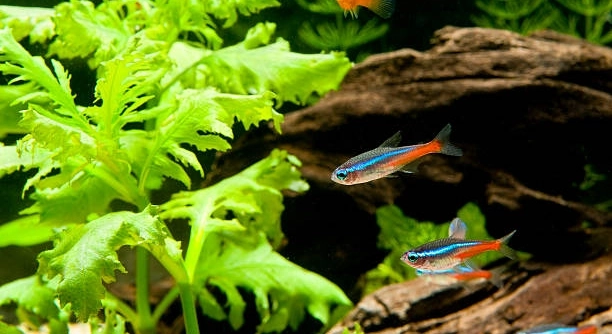
Many aquarium owners enjoy keeping tetra fish for their vibrant colors and peaceful nature. Sometimes, it becomes necessary to remove a tetra safely from the tank for health or tank maintenance reasons. Doing this carefully helps protect both the fish and the tank environment.
The safest way to remove a tetra from a tank involves gentle handling and minimizing stress. Using a soft net, slowly guide the fish without sudden movements. Proper preparation and a calm approach reduce the risk of injury or shock to the fish.
Knowing the right steps ensures your tetra stays healthy during the process. This guide will walk you through seven clear steps to remove your tetra safely and confidently.
Preparing Your Equipment
Before removing your tetra, gather everything you need to make the process smooth and safe. A soft, fine-mesh fish net is essential. Avoid using rough or large nets that can harm delicate fins. Prepare a separate container with clean, conditioned water to temporarily hold your fish. Make sure the container is the right size—big enough for the tetra to move comfortably but not too large to cause stress. It’s also helpful to dim the tank lights slightly to reduce the fish’s anxiety. Double-check that your hands are clean and free from soap or lotions. Taking these small steps helps create a calm environment and lowers the chances of the fish getting hurt or overly stressed during the transfer.
Having the right tools ready means you won’t have to rush or make sudden moves when it’s time to remove the fish.
By preparing ahead, you set up a safe and gentle process for your tetra.
Moving the Tetra Gently
Handle your tetra with patience and slow movements. Sudden motions can frighten the fish and cause it to dart or injure itself. Use the net carefully, sliding it beneath the fish from the side or slightly below, not from above. This approach is less threatening for the fish. Once caught, lift the net slowly and keep it steady to avoid swinging or dropping. Lower the net into the container with conditioned water gently, then allow the fish to swim out on its own. Avoid squeezing or grabbing the fish by hand, as this can cause stress or physical harm. Take your time and keep your hands and tools steady throughout the transfer.
A calm approach makes all the difference in keeping the fish safe.
Keeping Your Tetra Calm After Removal
Once your tetra is in the temporary container, keep it calm by maintaining stable water temperature and low lighting. Avoid tapping on the container or sudden movements nearby. Make sure the water has proper aeration to keep oxygen levels steady. Keeping the container covered with a loose lid or cloth can reduce stress by preventing outside disturbances. Monitor your fish closely for signs of stress such as rapid gill movement or erratic swimming. The goal is to keep your tetra comfortable until it returns to the main tank or receives treatment. Giving it time to settle helps ensure its well-being during this brief period outside the tank.
Checking the Tank Conditions
Check your tank’s water quality before and after removing the tetra. Poor water conditions can stress fish and cause health problems. Measure parameters like temperature, pH, ammonia, nitrite, and nitrate levels regularly. Maintaining stable conditions helps your fish stay healthy.
Proper water balance is key to keeping fish comfortable. If the water is too cold or hot, or if chemical levels spike, your tetra might struggle more during handling. Make sure filters and heaters are working correctly, and perform partial water changes as needed. Clean tanks reduce the risk of infection and promote recovery if your fish has been sick or stressed.
After removal, keep monitoring the tank to ensure conditions stay safe for the other fish. Sudden changes can harm the whole tank community, so regular checks are important to prevent future problems.
Returning the Tetra Safely
Before returning your tetra to the tank, acclimate it slowly to avoid shock. Float the container in the tank water for 15-20 minutes to equalize temperature. Gradually add small amounts of tank water to the container over the next 30 minutes. This helps your fish adjust to the water chemistry.
Avoid rushing this step, as sudden changes can cause stress or illness. After acclimation, gently release the tetra back into the tank using the net or by tipping the container. Watch the fish closely for signs of distress or illness after reintroduction. Maintaining calm and steady handling during this process helps your tetra settle quickly and reduces the risk of injury or stress-related problems.
Minimizing Stress During Transfer
Keeping the environment calm helps reduce stress for your tetra. Avoid loud noises or sudden movements around the tank during the process. Soft lighting and a quiet room create a more comfortable setting for your fish.
Stress can weaken your tetra’s immune system. Minimizing disturbance helps the fish stay calm and recover faster after removal and reintroduction.
Using the Right Tools
Choose nets and containers designed for small, delicate fish like tetras. A soft, fine-mesh net prevents fin damage, while smooth edges avoid scraping. Use a clean container with no soap residues or chemicals. This ensures a safe, gentle handling process for your fish.
Handling Sick or Injured Fish
If your tetra is sick or injured, extra care is needed. Avoid using a net that could worsen injuries. Instead, gently coax the fish into a container using a cup or small bowl. This method is less stressful and reduces the risk of further harm.
Cleaning After Removal
Clean your equipment after each use to prevent disease spread. Rinse nets and containers with warm water and let them dry fully before next use. This simple step keeps your tank healthy and your fish safe.
FAQ
How often should I remove a tetra from the tank?
Removing a tetra should only be done when necessary, such as for tank maintenance, health checks, or treatment. Frequent removal can stress the fish and affect its health. Try to minimize handling by keeping the tank clean and monitoring water quality regularly.
Can I use my hands to catch a tetra instead of a net?
It’s best to avoid using your hands because tetras have delicate fins and slippery bodies. Handling them by hand can cause injury or stress. Using a soft net designed for small fish is safer and more effective in gently catching and transferring the fish.
What if my tetra refuses to swim into the net?
Be patient and move slowly. Sometimes dimming the tank light helps calm the fish. You can gently guide the tetra toward the net by moving it slowly through the water. Avoid chasing or sudden movements, as this will only frighten the fish more.
How do I keep my tetra calm during transfer?
Reduce stress by working in a quiet, dimly lit room. Move slowly and avoid loud noises near the tank. Preparing all equipment beforehand also prevents rushed actions that can unsettle your fish.
Is it necessary to acclimate the tetra before putting it back?
Yes, acclimation is important. Slowly mixing tank water into the container lets the fish adjust to the water chemistry and temperature. This reduces the risk of shock and helps the tetra settle back comfortably in its home.
What should I do if my tetra shows signs of stress after removal?
Signs like rapid breathing, hiding, or erratic swimming indicate stress. Make sure water conditions are optimal and keep the environment calm. Sometimes adding plants or hiding spots helps the fish feel safer. If symptoms persist, consider consulting an aquarium specialist.
Can I use the same net for different fish?
Using the same net without cleaning can spread diseases. Always rinse and dry your net after each use, especially when moving fish between tanks. Keeping equipment clean protects your fish’s health.
How long can a tetra stay in a temporary container?
A tetra should not stay in a temporary container for more than a few hours. Make sure the container has clean, oxygenated water and stable temperature. Plan your removal and return process to be as quick and gentle as possible.
What water conditions are ideal when removing a tetra?
Maintain the same temperature and pH in both the tank and temporary container. Avoid drastic changes in water chemistry, which can stress or harm your fish. Use water conditioners if needed to remove chlorine or harmful chemicals.
Can I remove multiple tetras at once?
It’s better to remove fish one at a time to reduce stress and avoid crowding in the temporary container. Handling fewer fish allows you to be more careful and attentive to each one’s well-being.
What if the fish injures itself during removal?
If injury occurs, isolate the fish in a quarantine tank and monitor it closely. Treat wounds with appropriate aquarium-safe medications. Keep water clean and maintain good conditions to support healing.
Is it okay to use a cup instead of a net?
A small cup or container can work for very gentle transfers, especially with sick or injured fish. Slowly coax the fish into the cup rather than chasing it. This method reduces stress but requires patience and care.
Should I feed my tetra before or after removal?
Avoid feeding immediately before removal to reduce waste in the temporary container. Feed your fish a few hours before or after the transfer to keep them healthy without stressing their digestion.
How do I prevent stress when handling tetras regularly?
Keep a routine that includes gentle handling and calm surroundings. Ensure your tank is well-maintained with clean water and stable conditions. Minimize handling to necessary situations only, and always prepare equipment before starting.
What signs mean my tetra is too stressed during transfer?
Look for frantic swimming, gasping at the surface, or hiding excessively after transfer. These signs mean your fish needs more rest in a calm, stable environment. Reducing handling time and improving water quality can help recovery.
Removing a tetra from your tank can seem like a tricky task, but with the right steps, it becomes much easier and safer for the fish. Handling your tetra gently and preparing your equipment ahead of time makes a big difference. Soft nets and clean containers help protect the fish from injuries. Taking time to acclimate the fish when returning it to the tank also reduces stress and keeps it healthy. Each step in the process matters and contributes to the well-being of your tetra.
It is important to keep the tank environment stable before, during, and after removal. Water quality should be regularly checked to avoid sudden changes that can harm your fish. Proper temperature, pH balance, and clean water create a comfortable space for your tetra. Minimizing noise and movement around the tank during the removal process helps the fish stay calm. If you notice signs of stress or illness in your tetra, it’s good to act quickly by adjusting the environment or seeking advice.
Every fish owner wants their tetra to thrive, and knowing how to remove it safely is part of good care. Being patient and calm throughout the process helps both you and the fish. Remember, less stress means a healthier fish. With practice and attention to detail, removing your tetra will become a smooth routine. Keeping these simple but important tips in mind will help you provide the best care possible for your aquatic pet.

Hello,
If you enjoy the content that we create, please consider saying a "Thank You!" by leaving a tip.
Every little bit helps us continue crafting quality advice that supports the health, happiness, and well-being of pets around the world, for pets of all shapes, sizes, and species.
We really appreciate the kindness and support that you show us!