
Tetras are popular freshwater fish often seen in pet stores. Many people want to bring home healthy ones that will thrive in their aquariums. Knowing how to spot signs of good health before buying can save trouble later.
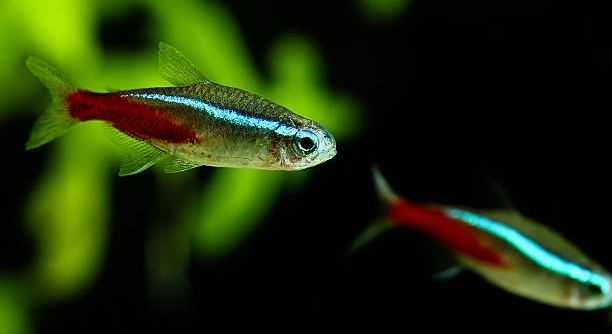
Healthy tetras display clear eyes, vibrant colors, and active swimming behavior. They should not have torn fins, visible parasites, or swollen bodies. Observing their response to stimuli and overall appearance helps determine their condition accurately.
Understanding these key signs will help ensure the fish you choose are strong and ready for their new environment. This knowledge supports better care and a happier aquarium experience.
Signs of Physical Health in Tetras
When checking tetras at the pet store, start with their physical appearance. Healthy tetras have smooth, unbroken fins without tears or discoloration. Their bodies should be free from white spots, bumps, or visible parasites. Look for clear, bright eyes rather than cloudy or sunken ones. The scales need to lie flat against the body and show no signs of damage or dullness. Coloration is important; vibrant, consistent colors usually indicate good health, while faded or patchy colors may suggest stress or illness. Avoid fish that appear bloated or have sunken bellies. Swimming style is also a physical indicator—healthy tetras swim steadily and do not float awkwardly near the surface or rest on the bottom.
A quick physical check gives a clear idea of the fish’s condition. This step helps avoid unhealthy specimens that might struggle in a home aquarium.
It is helpful to observe several fish in the same tank. Compare their size and activity levels. Healthy tetras tend to move confidently and interact with the environment. Fish that isolate themselves or move erratically may have underlying issues. Always take your time inspecting before making a choice.
Observing Behavior Before Purchase
Behavior reveals a lot about a tetra’s health. Healthy fish swim actively and show curiosity without signs of lethargy or excessive hiding. Look for smooth, coordinated movements rather than sudden jerks or rapid gill movements.
Before buying, watch how the fish reacts when the tank is gently tapped or when food is introduced. Healthy tetras will respond promptly and show interest in feeding. They often swim in groups, maintaining social behavior typical of their species. Fish that remain isolated or sluggish might be stressed or sick.
Careful observation of behavior complements the physical check and ensures you select fish that are both healthy and ready to adapt to a new tank. Taking these steps helps reduce risks and supports better long-term care.
Checking the Environment
A clean tank environment is essential for healthy tetras. Clear water, well-maintained filters, and proper lighting are signs of good care.
The condition of the tank reflects how well the fish have been cared for. Murky water, excess algae, or strong odors suggest neglect or poor maintenance. Healthy tetras need stable water parameters, including proper temperature and pH, which usually indicate attentive store management. Watch for overcrowding, as too many fish in one tank can increase stress and disease risks. A well-kept tank promotes the overall health and vitality of the fish and lowers chances of infection.
Tank decorations and plants also play a role in fish comfort. They offer hiding spots and reduce stress, which supports natural behavior. Lack of these elements might cause fish to appear nervous or inactive. The presence of healthy tank mates, free from visible disease, is another good sign of a stable environment that supports healthy tetras.
Handling and Transport Tips
When buying tetras, the way fish are handled and transported matters. Rough handling can cause stress or injury that isn’t immediately visible.
Ensure the pet store uses clean, secure bags filled with enough water and oxygen for transport. Avoid fish that have been packed too tightly or left in bags for too long. Once home, acclimate the tetras slowly to your aquarium water by gradually mixing water from your tank into the bag over 30 minutes. This reduces shock from sudden changes in temperature or water chemistry.
Transport stress can weaken the fish’s immune system, increasing their vulnerability to illness. Proper acclimation supports a smoother transition and healthier fish. Watching how the fish recover in your tank in the first few days also helps you spot any delayed signs of health problems.
Signs of Stress in Tetras
Tetras showing signs of stress often swim erratically or hide excessively. Their colors may fade, and they might gasp at the water surface. Stress weakens their immune system, making them more prone to illness.
Stress can result from poor water quality, overcrowding, or sudden changes in environment. Identifying stressed fish early helps prevent health problems and improves survival after purchase.
Avoiding Common Illnesses
Fin rot and ich are common diseases seen in pet store tetras. Fin rot causes ragged, discolored fins, while ich appears as white spots on the body and fins. Both conditions require prompt treatment to prevent spreading.
Maintaining clean water and reducing stress are key to preventing illness. Quarantining new fish before adding them to your main tank also helps control disease introduction.
Quarantine Practices
Quarantining new tetras for at least two weeks helps catch illnesses before they affect the main tank. Use a separate tank with stable water conditions and observe for any signs of disease or stress during this period.
Feeding Tips for New Tetras
Introduce food gradually after acclimation. Start with small amounts of high-quality flakes or pellets designed for tetras. Feeding too much too soon can cause water quality issues and stress.
FAQ
How can I tell if a tetra is healthy when I first see it?
Look for bright colors, clear eyes, and intact fins. Healthy tetras swim actively and don’t show signs of damage or illness like spots, swelling, or frayed fins. Observing these traits helps you pick fish that are ready for a home aquarium.
What does it mean if a tetra is hiding most of the time?
Excessive hiding can indicate stress, illness, or poor water conditions. While tetras do rest occasionally, constant hiding may show they feel unsafe or unwell. It’s important to check the tank environment and other fish health to find the cause.
Why do some tetras swim near the water surface or gasp for air?
Gasping at the surface can suggest low oxygen levels or poor water quality. It may also be a sign of illness affecting the fish’s breathing. Avoid fish exhibiting this behavior and ensure the pet store maintains good water conditions.
Can tetras recover quickly from stress caused by transport?
Some tetras bounce back quickly, but stress weakens their immune system, making them vulnerable to illness. Proper acclimation at home and maintaining stable water parameters help support their recovery.
Are tetras prone to specific diseases I should watch for?
Yes, fin rot and ich are common. Fin rot causes ragged fins, while ich looks like white spots on the fish. Both need treatment to prevent spreading and worsen health.
How long should I quarantine new tetras before adding them to my main tank?
A quarantine period of two weeks is recommended. This time helps catch hidden illnesses early and prevents spreading diseases to your existing fish.
What is the best way to acclimate tetras to a new tank?
Gradually mix tank water into the transport bag over 30 minutes. This slow adjustment prevents shock from changes in temperature and water chemistry, helping tetras adapt smoothly.
How often should I feed my new tetras?
Feed small amounts once or twice daily. Overfeeding can pollute the water and stress the fish. High-quality flakes or pellets designed for tetras provide proper nutrition.
What water conditions do tetras prefer?
Tetras thrive in slightly acidic to neutral pH (6.0–7.5) and temperatures between 72–80°F (22–27°C). Stable water parameters and regular maintenance are essential for their health.
Is it normal for tetras to school or swim alone?
Tetras are schooling fish and usually swim in groups. Fish swimming alone may be stressed or sick. Look for lively, coordinated movement in groups for healthy behavior.
Should I be concerned about tank mates with tetras?
Yes, peaceful tank mates that share similar water needs are best. Aggressive or larger fish can stress or harm tetras, affecting their health.
How can I reduce stress for tetras in a new environment?
Provide hiding places with plants or decorations. Keep lighting moderate and maintain consistent water conditions. Avoid sudden changes to help fish feel secure and reduce stress.
Final Thoughts
Choosing healthy tetras at the pet store is important for a successful aquarium. By paying attention to their physical appearance, behavior, and the tank environment, you can avoid many common problems. Clear eyes, vibrant colors, and smooth fins are good signs. Watching how the fish swim and respond to their surroundings helps confirm their health. A clean, well-maintained tank with proper water conditions also supports healthy fish. Taking these factors into account before purchase helps ensure your tetras will adapt well and live longer in your home.
Transport and acclimation are key moments that affect a tetra’s health. Stress from handling and sudden changes can weaken their immune system, making them more prone to illness. It is important to bring fish home in secure bags with enough oxygen and to introduce them gradually to your tank water. This careful transition reduces shock and helps the fish settle in more comfortably. After the move, keep an eye on their behavior and feeding habits. Early signs of stress or illness can be treated more easily when noticed promptly.
Finally, quarantining new tetras before adding them to your main aquarium protects your existing fish from potential diseases. A separate tank with stable water conditions for at least two weeks allows time to observe any health issues. Maintaining good water quality, feeding properly, and providing a stress-free environment all contribute to your tetras’ well-being. These simple steps create a solid foundation for a healthy, vibrant aquarium. Choosing healthy fish and caring for them thoughtfully will bring long-lasting enjoyment and success with your tetras.

Hello,
If you enjoy the content that we create, please consider saying a "Thank You!" by leaving a tip.
Every little bit helps us continue crafting quality advice that supports the health, happiness, and well-being of pets around the world, for pets of all shapes, sizes, and species.
We really appreciate the kindness and support that you show us!