
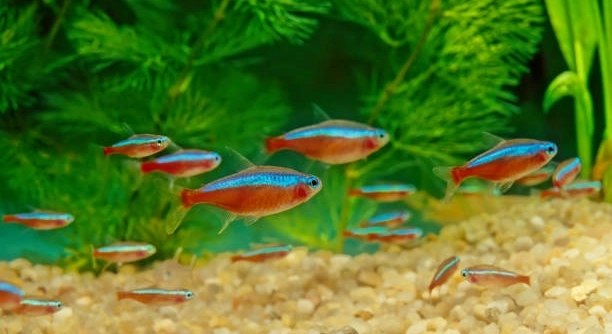
Are your tetras nipping at each other and chasing tankmates during feeding time, leaving you confused and a bit concerned about their behavior?
Tetras often fight over food due to competition, limited feeding spots, or inconsistent feeding routines. These factors can trigger stress and territorial behavior, especially in smaller tanks or when the group dynamics are unbalanced.
Learning the causes behind their aggression can help you create a more peaceful tank and promote better feeding habits for your tetras.
Why Tetras Compete During Feeding
Tetras are small, active fish that thrive in groups, but feeding time can sometimes bring out their aggressive side. In a tank setting, competition can increase when food is limited or not spread out evenly. This triggers chasing, fin-nipping, and general agitation among them. If the tank is too small or lacks hiding spots, the stress level rises, making them more reactive. Tetras are naturally fast swimmers, and their instinct to grab food quickly may escalate when other fish are around. Some individuals may dominate the space near the food, leaving others scrambling and causing tension. Feeding time becomes chaotic without structure, which can affect the group’s dynamic. A few tweaks to feeding practices and tank setup can calm their behavior.
Feeding aggression in tetras is often caused by space limitations, uneven food distribution, and lack of routine. These factors increase stress and trigger competition among the fish.
To minimize aggressive behavior, feed your tetras in small portions more frequently. Disperse food across different areas of the tank so all fish have access. A well-planted tank with plenty of swimming space also helps reduce stress. Avoid overstocking your tank, and make sure you’re not mixing incompatible species. This balance supports healthy group behavior and peaceful feeding times.
How Tank Setup Affects Feeding
Tank size and layout directly affect how tetras behave during feeding. A crowded or poorly arranged tank encourages competition and increases stress levels.
A small tank can quickly become tense when multiple tetras try to feed in the same area. If the tank lacks hiding spots or open space, fish may feel trapped or cornered. This discomfort often leads to chasing and aggressive behavior. Adding plants, rocks, and decorations helps create boundaries, giving each tetra a sense of security. This layout encourages them to spread out during feeding, which prevents dominance by stronger or faster fish. It’s also important to keep your group size balanced—too few tetras can make them anxious, while too many in a small tank can increase conflict. A calm, structured environment allows all fish to access food without triggering stress. Maintaining water quality is equally important. Poor conditions can make fish more irritable and prone to aggression. Consistent feeding times, combined with a stable environment, create the foundation for peaceful group behavior.
Feeding Techniques That Help Reduce Conflict
Feeding your tetras properly can lower aggression. Offer food in small amounts and use a variety of sinking and floating options. This spreads out the feeding area and gives every fish a fair chance to eat.
Using more than one feeding spot helps avoid crowding. Drop flakes or pellets in opposite corners of the tank, and consider using feeding rings to keep the food from drifting too much. For frozen or live food, distribute it evenly across the tank. Feed at the same time each day to build routine. Consistency helps your tetras feel secure and less reactive. Avoid overfeeding, as leftover food can pollute the water and increase stress. It’s also helpful to dim the lights slightly during feeding. This soft lighting can calm your fish, making the experience less intense for them. A calm feeding setup encourages better behavior and reduces food-related tension.
If one or two tetras act aggressively despite proper feeding, try rearranging the tank decor. This can break up established territories and help reset group dynamics. Some aquarists also find success in briefly isolating aggressive fish, then reintroducing them later. This method allows them to rejoin the group under calmer conditions. Pair these strategies with consistent feeding, and tension often decreases.
Social Structure and Group Behavior
Tetras feel more secure in well-sized groups. A school of six or more helps them display natural behavior and reduces aggression. Too few tetras can lead to stress and unpredictable reactions during feeding.
Group size and balance matter. Mixing species or adding new fish too quickly can unsettle the group. Adjust slowly.
When Aggression Signals a Bigger Issue
If aggression continues despite adjustments, it might point to underlying problems like illness, poor water quality, or stress from incompatible tank mates. Monitor for signs like torn fins, color changes, or unusual hiding. These may indicate more than just food-related behavior. Addressing health and environment is essential for long-term peace.
Final Tips for a Calm Feeding Routine
Stick to a set feeding time, use a mix of food types, and adjust portions carefully. Structure and balance go a long way.
FAQ
Why do my tetras get aggressive only during feeding?
Feeding is often the most competitive time in a tank. Tetras may become aggressive because food triggers natural instincts to compete, especially in tight or poorly structured environments. If they don’t feel secure or there isn’t enough space to spread out, they may chase or nip at others. Even peaceful species like tetras can act out when they’re stressed, underfed, or feel threatened. Feeding time heightens this tension, making any existing social imbalances more visible. Reducing stress with routine feeding, adequate space, and balanced group numbers usually helps calm this behavior.
Can I feed different types of food to reduce fighting?
Yes, offering a variety of food helps reduce conflict. Use flakes, pellets, and frozen foods like bloodworms or brine shrimp. When you mix food types, fish are less likely to crowd in one area. Floating and sinking foods reach different parts of the tank, giving each fish better access. This encourages more even feeding behavior. It also keeps the fish interested and supports better nutrition, which helps reduce stress. Over time, feeding variety becomes a reliable method for improving group behavior and reducing aggressive outbursts during mealtime.
Is my tank too small for my tetras?
Tank size plays a major role in behavior. Tetras need space to swim, school, and feed without feeling crowded. A minimum of 10 gallons is recommended for small groups, but 20 gallons or more works better for larger groups or mixed species tanks. In smaller tanks, competition over space increases stress, especially during feeding. This makes aggression more likely. If you notice constant chasing or hiding, it may be time to upgrade your tank or reduce the number of fish. Giving them more room usually improves their behavior noticeably.
How do I know if a tetra is being bullied?
Bullied tetras often show signs like torn fins, faded color, staying away from the group, or hiding near corners and plants. During feeding, they may hesitate to come forward or avoid the food area altogether. Aggressive fish might chase or nip at them repeatedly. It’s important to observe closely. If this behavior continues, consider isolating the aggressor briefly or rearranging the tank decor to reset territorial behavior. Keeping your school well-balanced and ensuring all fish get enough food helps reduce bullying over time.
What should I do if one tetra keeps chasing the others?
If one tetra is consistently aggressive, try rearranging plants, rocks, and decorations to break up established spaces. This disrupts territorial habits. You can also try temporarily isolating the aggressive fish in a breeder box or another tank. After a few days, reintroduce them to the group. In some cases, the addition of a few more tetras helps redistribute attention and calm the group dynamic. Monitor water quality and ensure the tank isn’t overcrowded. These changes usually ease aggression and help maintain harmony.
Should I feed my tetras more often to stop them from fighting?
Frequent feeding can help, but it needs to be done in small amounts. Feeding two to three times daily in tiny portions can reduce competition and prevent food hoarding. However, overfeeding creates water quality issues and increases stress. It’s better to stick to a routine and feed manageable portions while keeping the tank clean. Combine this with variety and multiple feeding spots for the best results. Hunger alone isn’t always the cause—structure, space, and stress levels all play a part in feeding behavior.
Can poor water conditions lead to more aggression?
Yes, poor water quality is a common cause of stress in fish. High ammonia, nitrites, or unbalanced pH levels can make tetras uncomfortable and more likely to act out. Regular water changes, filter maintenance, and monitoring with test kits help keep conditions stable. Stress from poor water weakens their immune systems and leads to increased aggression or erratic behavior. If your tetras are fighting more than usual, it’s worth checking water parameters first. Clean water supports calm, balanced behavior.
Is it okay to mix different tetra species in one tank?
Many tetra species can live together peacefully if the tank is large enough and they’re introduced gradually. However, some types are more assertive than others. Mixing them without enough space can create tension, especially at feeding time. Stick to peaceful species with similar sizes and temperaments. Always add new fish slowly and watch for signs of bullying or stress. Compatibility and enough room are key to maintaining harmony in a mixed-species tank.
Final Thoughts
Feeding time should be a calm and natural part of your tetras’ routine. When it turns into a stressful or aggressive event, it’s usually a sign that something in the environment needs adjustment. Tetras are small but active fish that rely on structure, consistency, and space to stay comfortable in a community tank. If they’re fighting over food, look closely at how you feed them, the size of their group, and the overall layout of your tank. Simple changes like spreading out food or feeding in smaller portions more often can have a big effect on their behavior. Making sure each fish has access to food without pressure helps lower stress levels and reduce conflict.
Keeping a peaceful group also depends on the number of fish and the size of the tank. Tetras feel more secure when they’re in a group of at least six, but larger groups often do even better. A spacious tank with enough room to swim freely allows them to form stable social patterns. Crowding can lead to tension, especially at feeding time. Add to that any signs of poor water quality, and your tetras may start to show aggressive habits. That’s why regular tank maintenance, balanced stocking, and careful observation are so important. Watching how your fish behave during feeding is one of the best ways to catch small problems before they grow.
Managing aggression isn’t just about stopping the fighting—it’s about creating a tank where all your tetras feel safe and well-fed. When the tank is set up properly, your fish will show calm, natural behavior during feeding and throughout the day. Good water quality, regular feeding times, and a balanced tank population all work together to support healthy group dynamics. If you stay consistent and pay attention to small changes in behavior, you’ll notice improvements quickly. Feeding time will become more peaceful, and your tetras will thrive in a stress-free environment. The key is staying aware and making thoughtful adjustments that match their natural needs. With a bit of care, you can help your tetras live comfortably and interact in a way that’s both active and respectful.

Hello,
If you enjoy the content that we create, please consider saying a "Thank You!" by leaving a tip.
Every little bit helps us continue crafting quality advice that supports the health, happiness, and well-being of pets around the world, for pets of all shapes, sizes, and species.
We really appreciate the kindness and support that you show us!