
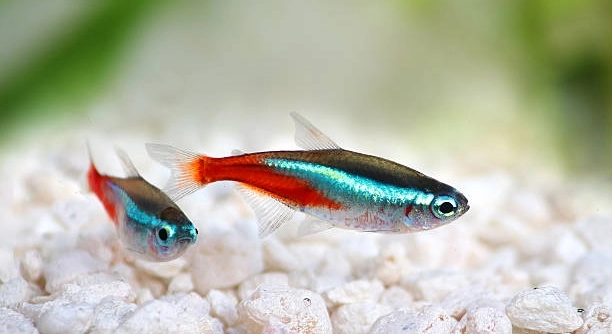
Are your tetras swimming in a tank that seems fine on the surface but hides a few small problems underneath? These issues might not look serious right away, but they can quietly cause stress or illness over time.
Many tetra tanks have hidden dangers that stem from poor water quality, improper tank setup, or incompatible tank mates. Addressing these issues requires close observation, regular maintenance, and thoughtful adjustments to ensure a healthy and stable environment.
Even simple changes can make a big difference, and understanding the risks is the first step toward keeping your tetras safe and thriving.
Poor Water Quality Sneaks Up Fast
Tetras are sensitive fish, and even small changes in their water can affect their health. Ammonia spikes, unstable pH, or high nitrate levels often build up quietly, especially in tanks that are overcrowded or not cleaned regularly. These issues can lead to stress, faded color, and disease. A clean tank isn’t just about looks—it helps prevent infections and supports your fish’s immune system. Regular water testing is important because problems are not always visible. Without routine checks, poor water conditions can slowly wear your fish down. You might not notice anything until they stop eating or start acting strangely.
Testing your water once a week is a smart habit. If you notice anything off, do a partial water change and clean the filter if needed.
For better results, use a liquid test kit instead of strips, as they are more accurate. Also, avoid overfeeding your tetras. Leftover food breaks down quickly and raises ammonia levels. Make sure your filter is strong enough for the size of your tank. You can also add live plants to help absorb excess nutrients. When you do water changes, be sure to use a dechlorinator. Keeping the tank clean doesn’t take long, but it really helps your fish stay active and colorful.
Hidden Stress from Tank Mates
Some fish can silently create a stressful tank. Even without fighting, fast swimmers or fin-nippers make tetras nervous, especially if space is tight.
Tetras do best in peaceful groups of their own kind. Mixing them with aggressive or overly active fish makes them feel unsafe, and that stress builds up over time. It can lead to poor eating, dull colors, and shorter lifespans. Just because fish aren’t physically fighting doesn’t mean they are all getting along. If you notice your tetras hiding more than usual or swimming in odd patterns, something in the tank could be making them uncomfortable. Choose tank mates wisely. Go for calm fish that won’t outcompete them for food or chase them around. Also, give them plenty of hiding spots with plants or decorations. This makes them feel secure. A calm tank means healthier fish. When your tetras feel safe, they’ll be more active and show their natural colors more often.
Unstable Tank Temperatures
Tetras need a stable temperature to stay healthy. Sudden changes can weaken their immune system and cause stress. Heaters that cycle too often or rooms with big temperature swings can cause more harm than you may notice right away.
Use a reliable heater with a built-in thermostat and check the temperature daily with a separate thermometer. Aim to keep the water between 74°F and 78°F. Avoid placing the tank near windows, doors, or vents. Direct sunlight or cold drafts can cause the water to shift too quickly. If your room gets cold at night, consider using a heater with a night mode or add insulation behind the tank. If your heater is old, replace it before it fails. A small temperature drop may not seem like a big deal, but it can affect your tetra’s energy levels, behavior, and overall well-being.
Stress from unstable temperatures doesn’t always show right away. Over time, it can make your fish more likely to get sick. You might notice your tetras becoming sluggish or hiding more than usual. Some may lose their appetite or develop fin problems. Keeping the tank warm and steady helps avoid these issues. If you live in a colder area, check for drafts around the tank setup. For those in hot climates, make sure the tank doesn’t overheat—use a fan or cooling unit if needed. Even one or two degrees of change can matter to small fish like tetras.
Incorrect Lighting Levels
Too much or too little light can confuse your tetras and mess with their daily rhythm. They do best with consistent light cycles that mimic day and night.
Use a timer to keep a steady light cycle—around 8 to 10 hours per day works well for most tanks. Avoid placing the tank where it gets direct sunlight, as it can cause algae growth and raise the temperature too much. On the other hand, a tank that’s too dark can cause your fish to lose color and become inactive. Some tetras also get scared by bright lights if there’s nowhere to hide. If that happens, add floating plants or decorations to soften the lighting. LED lights with adjustable brightness can help you create the right setting without stressing your fish. It’s not just about how long the light is on—it’s also about how balanced and gentle that light feels inside the tank.
Overcrowding the Tank
Tetras may be small, but they still need space to swim and feel comfortable. Too many fish in one tank causes stress, leads to dirty water, and makes it hard for each fish to find its place in the group.
Crowding also raises aggression levels, even in peaceful fish. It becomes harder to manage water quality, and oxygen can drop faster than expected. Each fish produces waste, and too much of it builds up quickly if the tank is full. Less space also means fewer hiding spots, making tetras feel unsafe.
Lack of Hiding Spaces
Tetras may be active swimmers, but they still need places to rest or hide when they feel stressed. Without enough cover, they can become anxious, especially if the tank is busy or brightly lit. Add plants, caves, or driftwood to help them feel more secure.
Poor Feeding Habits
Feeding too much or too little can quietly lead to health issues. Uneaten food quickly pollutes the water, while underfeeding weakens their immune system. Tetras do best with small portions once or twice a day. Choose high-quality flakes or micro pellets made for small tropical fish. Rotate in frozen or live food for variety.
FAQ
How often should I change the water in my tetra tank?
Regular water changes keep the tank clean and safe. Changing 20-30% of the water once a week is usually enough for most tanks. This helps remove harmful chemicals and waste before they build up. Make sure to treat tap water with a dechlorinator before adding it to the tank. If your tank is heavily stocked or lacks plants, more frequent changes may be needed.
What’s the best temperature range for tetras?
Tetras thrive in water between 74°F and 78°F (23°C to 26°C). Keeping the temperature steady within this range reduces stress and helps prevent illness. Use a reliable heater with a thermostat and check the water temperature regularly with a separate thermometer. Avoid placing the tank near drafts, windows, or heating vents to keep the temperature stable.
Can I keep tetras with other fish?
Tetras prefer peaceful tank mates that won’t chase or stress them. Avoid aggressive or large fish that might bully your tetras. Good companions include small peaceful fish like guppies, rasboras, or Corydoras catfish. Always research each species before mixing them to make sure their water needs and behaviors match.
How do I know if my tetras are stressed?
Signs of stress include hiding more than usual, losing color, swimming erratically, or refusing food. Stress can be caused by poor water quality, wrong tank mates, or unstable temperature and lighting. When you see these signs, test the water and check the tank conditions. Fixing these issues quickly helps your fish recover.
What should I feed my tetras?
A balanced diet is key. Feed high-quality tropical fish flakes or micro pellets designed for small fish. Supplement their diet with frozen or live foods like bloodworms or brine shrimp for variety. Feed small amounts once or twice a day, only what they can eat in a few minutes. Avoid overfeeding, as leftover food pollutes the tank.
Why is my tank water cloudy?
Cloudy water often means bacteria blooms, overfeeding, or poor filtration. When you add too much food or waste builds up, bacteria multiply quickly, making the water look milky. Perform partial water changes, reduce feeding, and clean the filter to clear the water. A fully cycled tank will also help keep water clear.
How many tetras can I keep in my tank?
A good rule is one inch of fish per gallon of water. Since most tetras grow to about 1.5 to 2 inches, a 20-gallon tank can comfortably house 10 to 12 tetras. Avoid overcrowding to keep the water clean and fish healthy. More space allows your tetras to swim freely and reduces stress.
What plants work best in a tetra tank?
Live plants like Java fern, Anubias, and Amazon sword provide hiding spots and help keep the water clean by absorbing excess nutrients. Floating plants such as duckweed or frogbit soften lighting and create shade, which tetras appreciate. Plants also improve oxygen levels and add natural beauty to the tank.
How do I prevent algae in my tetra tank?
Algae grows when there’s too much light or excess nutrients. Keep the lighting on for about 8-10 hours daily and avoid direct sunlight. Don’t overfeed your fish and do regular water changes to remove waste. Adding live plants can outcompete algae for nutrients. If algae appears, gently clean the tank walls and decorations.
What’s the best way to clean the tank without stressing my tetras?
Clean the tank slowly and avoid disturbing your fish too much. Use a gravel vacuum during water changes to remove debris from the substrate. Clean the filter monthly but avoid washing all filter media at once to keep beneficial bacteria alive. Turn off bright lights during cleaning and move decorations gently to reduce stress.
Final Thoughts
Keeping tetras healthy means paying attention to several small details that can make a big difference. Hidden dangers like poor water quality, unstable temperatures, and overcrowding may not be obvious at first but can cause problems over time. Regular testing and maintenance help catch these issues early, so your fish stay active and vibrant. It’s important to keep the water clean, stable, and free from harmful chemicals by doing partial water changes and using the right equipment, like heaters and filters. When the basics are taken care of, your tetras will have a much better chance of living longer, happier lives.
Choosing the right tank mates and providing enough space also plays a major role in your tetras’ well-being. Even peaceful fish can cause stress if they don’t fit well in the same environment or if the tank feels cramped. Giving your tetras places to hide with plants or decorations helps them feel secure and less stressed. Feeding the right amount and type of food ensures they get good nutrition without polluting the tank. Overfeeding is a common mistake that can quickly lead to poor water quality, so sticking to small, controlled meals is best.
Simple changes in lighting and temperature control can reduce stress and support your fish’s natural behaviors. Keeping a consistent day-night cycle with a timer and avoiding direct sunlight helps maintain balance in the tank. Temperature should stay steady within the recommended range to avoid weakening their immune system. These small but consistent efforts create a stable environment where tetras can thrive. Paying close attention to these hidden dangers and making necessary adjustments can protect your fish from common problems and help you enjoy a peaceful, beautiful aquarium.

Hello,
If you enjoy the content that we create, please consider saying a "Thank You!" by leaving a tip.
Every little bit helps us continue crafting quality advice that supports the health, happiness, and well-being of pets around the world, for pets of all shapes, sizes, and species.
We really appreciate the kindness and support that you show us!