
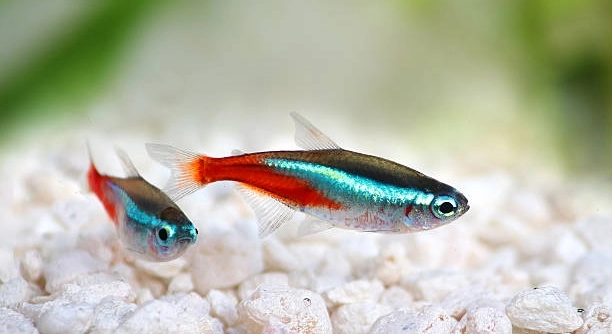
Do you ever find yourself wondering if your tetra are actually growing the way they should be in your home aquarium?
Tetra growth can be tracked through subtle changes in size, coloration, behavior, and activity levels. Consistent feeding, proper tank conditions, and social interaction are also important signs that indicate healthy development and steady growth.
These clues can help you better understand what’s normal and what might need a closer look in your aquarium routine.
1. Growth in Size and Body Shape
Healthy tetra should gradually increase in size over time. Young tetras often start small, around an inch long, but with proper care, they usually grow close to two inches depending on the species. As they grow, their body shape becomes more defined. They begin to fill out and look more proportional, rather than thin or underdeveloped. You might also notice a stronger, more upright posture. If they remain the same size for weeks, something may be off. Poor water quality, stress, or a lack of nutrition can slow their development. It helps to monitor their growth monthly. Taking occasional photos can give you a visual record to compare. Size change is one of the easiest clues to notice if you’re keeping an eye on your tank regularly. With consistent feeding, clean water, and enough swimming space, you’ll likely see steady, healthy progress in their appearance.
Changes in shape and size should look gradual, not sudden or extreme. This helps signal healthy growth.
If your tetra’s body looks bloated or very thin, it may not be related to growth. Illness or internal parasites could be affecting their health. Checking for steady size changes without dramatic shifts is a helpful way to stay on track.
2. Vibrant and Clear Coloration
A tetra with bright, even coloring is usually a sign of good health and growth.
Color changes can often be one of the first things you’ll notice when something isn’t right. Healthy tetra typically have rich, bold colors that become even more vivid as they mature. Faded or patchy coloration may signal stress, poor diet, or low water quality. Clear water, balanced lighting, and the right nutrients support color development. Some tetras naturally have more intense shades, especially when they’re kept in a peaceful tank. Avoid placing them with aggressive fish, as that stress can affect their appearance and slow their growth. Adding live plants and providing proper lighting can also help their color stand out more. High-protein foods like brine shrimp or daphnia, offered occasionally, can enhance coloration and help support physical development. If you start to see more consistent and vibrant colors over time, it often means your tetra are growing well and staying healthy in their environment.
3. Increased Activity and Curiosity
Tetra that are growing well tend to be more active. They swim around the tank, interact with each other, and show interest in their surroundings. A healthy activity level usually means they’re comfortable and have enough energy to support steady growth.
When tetra are comfortable in their environment, they often dart around the tank with smooth, confident movements. You might see them exploring plants, swimming in schools, or following each other playfully. These behaviors show that they’re feeling safe and are using their energy properly, both signs of healthy development. If your tetra seem to hide often, stay still for long periods, or avoid certain areas of the tank, it may be a sign of stress or poor health. Make sure the tank has enough space, proper filtration, and stable water temperature. A calm, well-balanced environment supports their natural behavior and helps promote consistent, healthy growth.
You don’t need to see constant motion, but some level of daily activity is important. Watch how your tetra behave after feedings and during different times of the day. A little variation is normal, but long periods of inactivity can mean something is wrong. Active, curious behavior is a strong clue your fish are developing as they should.
4. Strong Appetite and Regular Eating
A healthy appetite is one of the clearest signs of proper growth. Tetra that are growing well tend to eat consistently, showing interest when food is added to the tank and responding quickly during feeding time.
If your tetra swim up quickly to grab food, that’s a good sign. It shows they have enough energy and are in good health. Their feeding behavior should be calm but focused. Overfeeding or poor-quality food can slow down growth and cause health issues, so it’s important to offer balanced portions. Feed them small amounts they can finish in about two minutes, once or twice a day. Include a variety of flakes, pellets, and frozen options. High-quality food supports growth and strengthens their immune system. If you notice uneaten food or a lack of interest in feeding, it may be time to check your water parameters or watch for early signs of illness.
5. Clear Eyes and Smooth Scales
Tetra that are growing properly usually have clear, bright eyes. Their eyes should look sharp, not cloudy or swollen. Cloudy eyes can be a sign of infection or poor water conditions, which may affect growth.
Their scales should look smooth and lie flat against the body. Dull, raised, or missing scales can signal stress, illness, or injury. Healthy scales often appear shiny and even. Checking their appearance closely helps you notice early changes before they turn into bigger problems.
6. Schooling Behavior and Social Comfort
Tetra feel safest in groups, and schooling is a natural behavior that supports both health and growth. When they swim together in a calm, coordinated way, it shows they’re feeling secure in their space. Tetra that separate from the group or seem to isolate themselves may be stressed or unwell. Stress can slow growth, so keeping them in a school of six or more is ideal. A peaceful community setup helps reduce conflict and encourages active movement, which is good for development. Watching how your tetra interact can reveal a lot about their health and how well they’re maturing.
7. Consistent Growth Over Time
Growth should be steady, not sudden or stalled. Regularly observing small changes helps you stay on track and notice if anything shifts.
FAQ
How fast do tetra usually grow?
Most tetra grow at a slow but steady pace. In ideal conditions, they can reach their full size within 6 to 9 months. Growth may be quicker during their first few months of life, then it slows down as they mature. Water quality, diet, and tank size all play a role in how fast they develop. If they’re not growing as expected, it may be time to check their environment or feeding schedule. Healthy growth is gradual, and you won’t usually see major changes overnight.
What do I do if my tetra aren’t growing?
Start by checking your water parameters—temperature, ammonia, nitrite, and nitrate levels should all be in a healthy range. Unstable or dirty water can impact their health and slow down development. Next, look at their diet. Are they getting a mix of nutrients, or just one type of food? Feeding them a variety of high-quality flakes, pellets, and occasional protein-rich treats can help. Also, make sure they have enough space to swim freely. Overcrowding can stress them out and affect how they grow.
Is it normal for some tetra to grow faster than others?
Yes, it’s completely normal. Even within the same species or batch, individual tetra may grow at different rates. Some fish naturally have faster metabolisms, while others might eat more aggressively or respond better to their environment. As long as they all seem healthy, active, and free from visible issues, a little difference in growth speed is not a problem. It’s only a concern if one or more fish seem stunted, sick, or aren’t behaving normally.
Can stress slow down their growth?
Definitely. Stress is one of the most common reasons for poor growth in aquarium fish. It can come from many things—bad water quality, loud noises, aggressive tank mates, sudden temperature changes, or even a lack of hiding spaces. Stress weakens their immune system and affects their appetite, which slows down development. A calm, consistent environment goes a long way in supporting their health and helping them grow properly.
Do tetra need live plants to grow well?
Live plants aren’t required, but they can help. Plants provide a more natural environment and offer shelter, which makes fish feel safe. Less stress usually means better growth. Some plants also help improve water quality by absorbing waste. Even just a few live plants can make a big difference in how comfortable and healthy your tetra feel. If live plants aren’t an option, silk ones can still give them a place to hide and explore.
How do I measure their growth?
You can take photos of your tetra from the same angle every few weeks and compare them over time. A simple ruler placed outside the tank can help estimate their size. Watching their body fill out, noticing clearer coloration, and checking for steady behavior changes are also good indicators. You don’t need fancy tools—just consistent observation.
Can poor diet affect their color and size?
Yes, a poor diet can have a big impact. Tetra need a balanced mix of protein, vitamins, and minerals. Low-quality flakes or feeding the same food every day can lead to pale color and slow growth. Try rotating between flakes, micro-pellets, and frozen or freeze-dried foods like daphnia or brine shrimp. A varied diet helps with development and supports their natural colors.
What tank size is best for growing tetra?
A 20-gallon tank is a good starting point for a small group of tetra. Larger tanks offer more swimming room and help keep water stable, which is important for healthy growth. Overcrowded tanks can lead to stress, which may stunt development. Make sure the tank is long enough for them to swim freely.
Why do my tetra look smaller than others I see online?
There could be a few reasons. Lighting and camera angles in photos can sometimes make fish look larger. Also, some online photos may show fully mature fish that are older than yours. If your tetra are younger or newly purchased, give them time. As long as they’re active, eating well, and showing signs of development, they’re likely on the right track.
Do they grow during the night or day?
Fish don’t grow only at a certain time of day, but having a proper day-night cycle helps. Like most animals, they need rest, and nighttime offers that recovery period. Keeping the tank lights on for 8–10 hours a day and then letting the tank go dark supports their internal rhythms. A balanced light cycle contributes to healthy growth.
Final Thoughts
Watching your tetra grow is a quiet but rewarding part of keeping an aquarium. Their development often happens slowly, and small changes can be easy to miss unless you’re paying attention. Over time, their colors deepen, their bodies fill out, and their behavior becomes more active and confident. These are good signs that things are going well. Growth isn’t only about getting bigger—it’s also about being healthy, balanced, and able to interact normally with their surroundings. When all the right elements are in place, your tetra are more likely to reach their full potential. Clean water, a steady diet, and a peaceful tank go a long way in supporting their development.
It’s important to remember that no two tetra grow exactly the same. Some may develop faster, while others take a bit longer to catch up. This can be due to natural differences or small variations in how they eat or respond to the environment. Instead of focusing only on size, look at other clues like color, activity, and overall condition. A fish that’s smaller but still active and eating well can still be perfectly healthy. Growth is just one piece of the bigger picture. Checking on your fish regularly, making small adjustments when needed, and being consistent with care can make a real difference.
Staying patient is key. It may take weeks or even months to see visible progress, especially if your tetra are still young. During that time, giving them the right care helps create a stable environment where they feel safe and supported. That’s what allows them to grow and stay well. If something seems off, like changes in behavior or appearance, don’t ignore it. These early signs are often easier to fix if you catch them quickly. Tetra are small fish, but their care still takes thought and attention. When they grow steadily and thrive, it means you’re doing something right. Keep observing, stay consistent, and trust the process.

Hello,
If you enjoy the content that we create, please consider saying a "Thank You!" by leaving a tip.
Every little bit helps us continue crafting quality advice that supports the health, happiness, and well-being of pets around the world, for pets of all shapes, sizes, and species.
We really appreciate the kindness and support that you show us!