
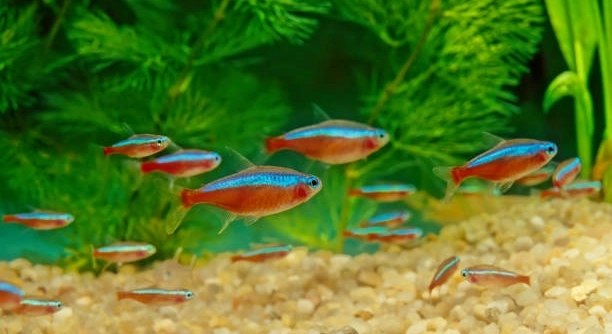
Do you ever feel like your tetra fish aren’t as active or vibrant as they used to be, even with regular care?
The best way to improve tetra health naturally is by maintaining clean water, offering a varied diet, reducing stressors, and providing an environment that mimics their natural habitat. These methods support long-term health without relying on medications.
Learning how simple changes can lead to stronger immunity, brighter colors, and happier fish will help you build a better space for your tetras.
Keep the Water Clean and Stable
Clean water is one of the most important parts of keeping your tetras healthy. Dirty or unstable water can lead to stress, illness, and shorter lifespans. Use a reliable water filter that suits the size of your tank. Change 25% of the water weekly to keep ammonia and nitrate levels low. Always use a water conditioner to remove chlorine or other chemicals from tap water. Monitor the temperature and pH levels regularly, aiming for a temperature between 72–78°F and a pH between 6.5–7.5. Consistency is key—sudden changes in water quality can shock your fish and cause health issues. Tetras come from calm, clean environments, and your tank should reflect that as much as possible. Try not to overcrowd your tank, as this can lead to poor water conditions. A stable, well-maintained tank creates a safer space for your tetras to thrive and reduces the chance of illness.
A clean tank not only prevents disease but also supports better breathing, feeding, and swimming behaviors in tetras.
You can also use live plants to help keep the water clean naturally. Plants absorb waste and offer a more natural setting. Stick to easy-care options like Java moss or Anubias. They’ll help balance the tank and support better health.
Feed a Varied and Balanced Diet
Feeding your tetras the same food every day may not give them all the nutrients they need.
A balanced diet includes high-quality flake food as a base, along with frozen or freeze-dried protein like bloodworms, daphnia, or brine shrimp. These provide essential nutrients and keep your tetras interested in their meals. Feed small amounts twice a day—just what they can finish in two minutes. Overfeeding can dirty the water and cause health issues. You can also add occasional treats like micro pellets or live food to increase variety. It’s important not to rely on just one type of food, as this can lead to vitamin or mineral deficiencies over time. Tetras thrive on a mix of plant- and animal-based nutrition, and a varied diet helps them stay active, colorful, and strong. Proper nutrition supports their immune system and helps them resist stress and infection more effectively. With a little planning, you can easily meet their dietary needs.
Reduce Tank Stress
Too much noise, frequent changes, or sudden movements around the tank can stress your tetras. Stress weakens their immune system and makes them more likely to get sick. Keep their environment calm and consistent to help them stay healthy and active.
Use background paper or plants to limit visual stress, especially if the tank is placed in a busy area. Avoid tapping on the glass or moving decorations too often. Make changes slowly, like introducing new fish or adjusting lighting over time. Use gentle lighting and provide places for your tetras to hide, such as caves or leafy plants. These small changes can help them feel safer and more relaxed. When fish are less stressed, they eat better, swim more naturally, and show brighter colors. Stability is important, so aim for a regular schedule when it comes to feeding, cleaning, and lighting to support your tetras’ overall well-being.
Stress also comes from aggressive tank mates. Choose peaceful species that get along well with tetras. Avoid overcrowding the tank, as limited space causes competition and tension. A relaxed tank leads to better behavior and fewer health issues. When your tetras feel safe, they’re more likely to display their natural schooling behavior and vibrant appearance.
Mimic Their Natural Habitat
Tetras feel better when their tank environment looks and feels like the rivers they come from. This means softer lighting, darker substrate, live plants, and gentle water flow. These conditions make them feel safe and reduce the risk of illness.
Use a dark sand or fine gravel substrate to help bring out your tetras’ colors and reduce reflection, which can be unsettling for them. Add driftwood and smooth rocks to give the tank a natural look and create hiding spots. Tetras come from shaded waters, so use floating plants like water lettuce to soften the light. Keeping the tank dim helps reduce stress and encourages natural behaviors. Also, make sure the water flow isn’t too strong. A gentle current mimics their native slow-moving streams. A quiet air stone or sponge filter is ideal. The more the tank feels like home, the healthier and more comfortable your tetras will be.
Use Natural Remedies When Needed
Some mild issues can be managed using natural options. Indian almond leaves help support immunity and reduce bacteria in the tank. They also tint the water slightly, making it feel more natural and calming for tetras.
You can also add aquarium-safe herbal extracts like garlic or aloe vera. These support healing and can boost appetite without harsh chemicals.
Quarantine New Fish
Always quarantine new fish before adding them to your main tank. This helps prevent the spread of parasites or diseases. A separate tank with a filter and heater is enough. Keep the new fish there for at least two weeks while you monitor their health. Watch for signs like white spots, torn fins, or unusual swimming. Feed them well, and make sure they behave normally before moving them to your tetra tank. Even if the fish look healthy, they could carry something that harms your existing fish. Taking this extra step helps protect your tetras and keeps your tank more stable over time.
Don’t Skip Routine Tank Checks
A quick look at your tank each day helps you catch problems early. Check that the filter is running, the water looks clear, and the fish are acting normally.
FAQ
How often should I clean my tetra tank?
You should do a partial water change of about 25% every week. This keeps ammonia and nitrate levels low and helps your fish stay healthy. Use a gravel vacuum to remove debris from the substrate, and clean algae off the glass if needed. Don’t change all the water at once, as it can shock your fish. Check the filter monthly and rinse the media in tank water—not tap water—to keep helpful bacteria alive. Avoid over-cleaning, which can remove too many beneficial bacteria and disturb the balance of your tank.
What should I feed my tetras daily?
Feed your tetras a small amount of high-quality flake food once or twice a day. They should eat it all within two minutes. Supplement with freeze-dried or frozen foods like daphnia or bloodworms two to three times a week. This helps provide extra nutrients and keeps them interested in their meals. Don’t overfeed—leftover food pollutes the water and can lead to health issues. A varied diet supports better digestion, color, and activity. Try to rotate their food to avoid nutrient gaps and ensure your tetras get everything they need to stay strong.
Why are my tetras hiding all the time?
Tetras often hide when they feel unsafe or stressed. This could be caused by sudden changes in lighting, loud noises, or aggressive tank mates. It may also mean the water parameters are off. Check the water temperature, ammonia, and pH levels to rule out poor conditions. Make sure the tank has enough hiding spots using plants or decorations. Dim lighting and calm surroundings help reduce stress. If your tetras are new to the tank, give them time to adjust. As they start to feel more secure, they’ll come out and swim more confidently.
Can I keep tetras with other fish?
Yes, tetras do well with peaceful community fish. Good tank mates include small rasboras, guppies, corydoras, and snails. Avoid aggressive or much larger species, as they can chase or harm tetras. Keep tetras in groups of at least six since they are schooling fish. This helps them feel safer and encourages natural behavior. Make sure the tank is big enough for all the fish to swim freely. Before adding new fish, research their needs and make sure they match your current setup. Compatibility is important to avoid stress and fighting in the tank.
How long do tetras live?
Most tetras live for about 5 to 8 years with proper care. Clean water, a balanced diet, and a low-stress environment can help them live longer. Their lifespan depends on the species too—some may live slightly shorter or longer. Watch for signs of aging like slower movement or faded color. Older tetras may also need gentler filtration and a more stable environment. If your fish starts acting differently, it doesn’t always mean something is wrong, but it’s worth checking the tank conditions. Regular maintenance goes a long way in helping tetras live a full, healthy life.
Why do my tetras fight each other?
Tetras are usually peaceful, but they may chase or nip if the group is too small. Keep them in schools of at least six to reduce this behavior. Make sure they have enough space and hiding spots. Fighting can also happen if they’re stressed or the tank is overcrowded. Male tetras may show off or get territorial, especially during feeding time. Watch how often it happens—occasional chasing is normal, but if it becomes frequent or aggressive, check your tank setup. Adding more plants and decorations can help break sightlines and give them room to spread out.
Can tetras get bored?
Yes, fish can become inactive or show dull behavior when their environment lacks stimulation. A bare tank with no variety can lead to less movement and interest. Use live plants, driftwood, and a few hiding places to create a more engaging space. You can also switch out or rearrange decorations every so often to add novelty. Feeding them a varied diet also adds mental stimulation, as they become more alert and active during feeding times. Healthy, curious tetras tend to explore their tank, school together, and show brighter colors. A well-decorated tank supports both their physical and mental well-being.
Final Thoughts
Caring for tetras does not need to be complicated. With steady routines and a clean tank, they can live healthy, active lives. These fish are small, but they still need a stable environment with the right temperature, pH levels, and calm surroundings. Making small adjustments, like feeding a varied diet or using live plants, can make a big difference. Tetras also respond well to quiet spaces and gentle lighting. When you create a space that feels safe and natural, they will show their best colors and swim more confidently. Simple changes can go a long way in keeping them happy and balanced.
Natural care means paying attention to what your tetras need without turning to harsh treatments. Instead of using chemicals right away, you can use safe options like Indian almond leaves or garlic extract when needed. Regular tank checks, clean water, and proper food often prevent problems before they even begin. Watching their behavior each day helps you notice any signs of stress or illness early. This gives you time to respond in a calm and thoughtful way. Quarantining new fish is another step that protects your whole tank from sudden problems. These habits build a healthier home over time, one step at a time.
Taking care of fish is not just about keeping them alive—it’s about giving them a space where they can thrive. Tetras are small, social creatures that do well when they are supported with care and consistency. They don’t ask for much, but they do need your attention and effort. Keeping up with basic tasks like water changes, tank cleaning, and feeding can make a big difference in how they grow and behave. When your tetras feel safe, they will swim in groups, eat with interest, and stay strong. Whether you’re new to keeping fish or just looking for natural ways to improve their health, focusing on the basics is a reliable place to start.

Hello,
If you enjoy the content that we create, please consider saying a "Thank You!" by leaving a tip.
Every little bit helps us continue crafting quality advice that supports the health, happiness, and well-being of pets around the world, for pets of all shapes, sizes, and species.
We really appreciate the kindness and support that you show us!