
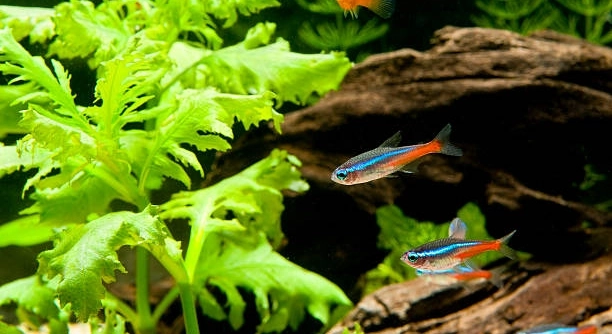
Fin rot is a common health issue that affects many aquarium fish, including tetras. It causes damage to their fins, making them look ragged and unhealthy. Recognizing the causes early can help protect your fish from serious harm.
Fin rot in tetras is primarily caused by bacterial infections, poor water quality, stress, injuries, overcrowding, improper diet, and weakened immune systems. These factors create an environment where harmful bacteria can thrive and damage the delicate fin tissue.
Knowing the causes and treatments of fin rot will help maintain your tetra’s health and keep your aquarium thriving. This article will guide you through the key factors and care steps.
Bacterial Infection
Bacterial infection is the leading cause of fin rot in tetras. When bacteria invade the fins, they break down the tissue, causing the fins to appear ragged or frayed. This often happens when the fish’s immune system is weakened, allowing bacteria to multiply rapidly. Poor water conditions, such as high ammonia or nitrite levels, make it easier for bacteria to spread. Injuries to the fins from rough decorations or aggressive tank mates can also create entry points for bacteria. If not treated early, the infection can worsen and spread to other parts of the fish’s body, sometimes leading to death. Keeping the aquarium clean and maintaining stable water parameters can prevent many infections. Using antibacterial treatments at the first signs of fin damage can help stop the infection and allow the fins to heal properly.
Bacterial infections thrive in poor water conditions and weakened fish, so maintaining cleanliness is crucial.
Treating bacterial fin rot involves improving water quality and applying appropriate antibiotics or antibacterial medications. Quarantining affected fish can prevent spreading the infection. Regular water changes and monitoring water parameters will reduce the risk of recurrence. A healthy diet also supports the fish’s immune system, helping it fight off infections naturally.
Poor Water Quality
Poor water quality is a major factor that contributes to fin rot. Ammonia, nitrites, and nitrates can build up quickly in an aquarium if it is not properly maintained. These substances irritate the fish’s skin and fins, making them vulnerable to infections. Dirty water also promotes the growth of harmful bacteria and fungi. Tetras are sensitive fish that need clean, well-filtered water to stay healthy. Frequent water changes and regular tank cleaning are essential. Testing water parameters weekly helps catch problems early. Filtration systems should be checked to ensure they are functioning correctly. If water quality declines, fin rot can develop rapidly. In some cases, adding activated carbon to the filter can help remove toxins. Balancing the tank’s ecosystem with live plants can also improve water quality naturally.
Maintaining clean water is essential to prevent fin rot and keep tetras healthy.
To avoid poor water quality, establish a consistent maintenance routine. This includes partial water changes of 20-30% weekly, vacuuming the substrate, and avoiding overfeeding. Overcrowding the tank can worsen water conditions, so keep fish numbers appropriate for the tank size. When introducing new fish, quarantine them first to avoid introducing diseases. By controlling water quality, you reduce stress on tetras and lower the chance of fin rot. Healthy water supports natural healing and overall well-being.
Stress
Stress weakens tetras and makes them more vulnerable to fin rot. Common causes include sudden changes in water temperature, poor tank conditions, and aggressive tank mates. Stress reduces the immune system’s ability to fight infections, allowing bacteria to take hold.
Tetras experiencing stress often show signs such as erratic swimming or hiding. Stress can come from overcrowding or incompatible species in the tank. Sudden changes in lighting or water chemistry also add to stress levels. Managing stress means keeping the tank environment stable, providing enough space, and ensuring peaceful community fish. Avoid sudden changes in water parameters by adjusting conditions gradually over time. A calm environment helps tetras stay healthy and less prone to fin rot.
Minimizing stress through consistent care and observation supports immune health. Healthy fish recover faster and resist infections better. Reducing stress is an important step in preventing fin rot.
Injuries and Fin Damage
Physical injuries to fins create openings for bacteria to infect and cause fin rot. Rough decorations, sharp objects, or aggressive tank mates can tear fins. Even minor fin damage can quickly worsen if left untreated. Preventing injury reduces fin rot risk.
Inspect tank decorations to ensure there are no sharp edges that could harm tetras. Provide plenty of hiding spots to reduce aggression. Avoid overcrowding, which leads to fights and injuries. If a fish shows signs of fin damage, isolate it in a quarantine tank to prevent infection and further injury. Treat wounds with antibacterial medication to help heal damaged tissue. Keeping the environment safe and calm is key to minimizing injuries and supporting recovery.
Regular tank checks and proper care reduce the chances of fin damage. Injuries that heal quickly are less likely to lead to fin rot infections.
Overcrowding
Too many fish in a tank cause overcrowding, which raises stress and waste levels. This environment makes fin rot more likely to develop.
Overcrowding reduces swimming space and increases aggression, leading to injuries and weakened immune systems. It also worsens water quality, making bacteria growth easier.
Improper Diet
A poor diet weakens a tetra’s immune system, reducing its ability to fight infections like fin rot. Balanced nutrition is essential for overall health and fin regeneration.
Feeding high-quality flakes, frozen, or live foods rich in vitamins and minerals supports immune defenses. Avoid overfeeding, which can pollute water and contribute to fin problems.
Weakened Immune System
Various factors such as stress, poor diet, or illness can weaken a tetra’s immune system. When this happens, the fish is more susceptible to fin rot and other infections.
A healthy immune system is critical for resisting pathogens. Supporting immunity through good care helps prevent fin rot and encourages faster recovery from minor injuries or infections.
FAQ
What are the first signs of fin rot in tetras?
The earliest signs include slight fraying or discoloration at the edges of the fins. You may notice the fins looking uneven or ragged. In some cases, the fins might appear dull or have white edges. If left untreated, the damage worsens and spreads toward the base of the fins.
How quickly does fin rot progress?
Fin rot can develop rapidly, especially if water conditions are poor and the fish is stressed. Within a few days, small tears can grow into large areas of missing fin tissue. Early detection and treatment are important to stop the infection from spreading further.
Can fin rot be cured without medication?
Mild cases of fin rot sometimes improve with better water quality and proper tank maintenance alone. Regular water changes and reducing stress can allow the fish’s immune system to heal minor infections. However, more severe cases usually require antibacterial treatment.
Is fin rot contagious to other fish?
Yes, fin rot bacteria can spread to other fish in the same tank. Sharing water allows bacteria to move easily between fish, especially if one is infected. Quarantining affected fish helps protect the rest of your aquarium population.
What medication is best for treating fin rot?
Common treatments include antibacterial medications like Melafix, Maracyn, or antibiotics prescribed for aquarium use. It’s important to follow the instructions carefully and complete the full treatment to prevent recurrence. Consult with an aquatic specialist for the best option.
How can I prevent fin rot in my tetra tank?
Maintain clean water with regular testing and changes. Avoid overcrowding and reduce stress by providing hiding spots and compatible tank mates. Feed a balanced diet and watch for early signs of illness. Keeping the tank stable and healthy reduces risk factors.
Can fin rot cause permanent damage?
If treated early, fins can regrow fully with no lasting damage. However, if the infection reaches the fin base or body, permanent damage or even death can occur. Prompt treatment is essential to avoid lasting harm.
Should I isolate a fish with fin rot?
Isolating the affected fish can help prevent the spread of infection and allow for targeted treatment. A separate quarantine tank also reduces stress and limits contact with healthy fish, improving recovery chances.
How long does it take for fins to regrow after fin rot?
Fins usually begin to regrow within a few weeks after the infection clears. Growth rates depend on water quality, nutrition, and overall fish health. Patience is important, as full regrowth can take several weeks to months.
Can poor diet alone cause fin rot?
Poor diet weakens the immune system, making fish more vulnerable to infections, but it usually does not cause fin rot directly. Fin rot requires bacteria or other pathogens to develop, which thrive when the fish is weak or stressed.
Are there natural remedies for fin rot?
Some hobbyists use natural antibacterial treatments like aquarium salt or herbal remedies. These can help in mild cases but are not always effective alone. Maintaining good water quality and proper medication remain the most reliable methods.
What tank size is ideal to prevent fin rot in tetras?
A tank size of at least 20 gallons is recommended for a small group of tetras. Adequate space reduces stress and allows better water quality control. Overcrowding in smaller tanks raises the risk of fin rot and other health issues.
Final Thoughts
Fin rot is a common problem that can affect tetras if their environment is not carefully managed. It mainly occurs because of poor water quality, bacterial infections, stress, injuries, or a weak immune system. Understanding these causes is important to prevent the disease from taking hold. Regular tank maintenance and paying attention to the needs of your fish will help keep fin rot away. It is easier to avoid problems than to treat them once they start. Small changes in water conditions or tank setup can have a big impact on your fish’s health.
Treating fin rot early is crucial to stopping the infection from getting worse. If you notice any signs of fin damage, it is important to act quickly by improving water quality and, if needed, using the right medication. Quarantining affected fish can prevent the spread of infection to others in the tank. A healthy diet and low-stress environment support the fish’s natural ability to heal and fight infections. Keeping the aquarium clean and stable is key for recovery and long-term prevention.
Overall, caring for tetras involves regular observation and simple routines. Testing water, performing regular water changes, avoiding overcrowding, and feeding balanced food all contribute to stronger, healthier fish. Fin rot can be controlled with proper attention and care, allowing your tetras to live longer and show their full colors. These small efforts make a big difference in the wellbeing of your aquatic pets. Consistency in tank care is the best way to prevent fin rot and keep your tetras thriving.

Hello,
If you enjoy the content that we create, please consider saying a "Thank You!" by leaving a tip.
Every little bit helps us continue crafting quality advice that supports the health, happiness, and well-being of pets around the world, for pets of all shapes, sizes, and species.
We really appreciate the kindness and support that you show us!