
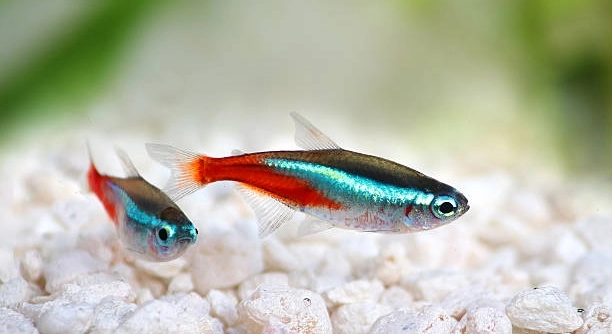
Moving a tetra to a new tank can be a delicate process. Many owners notice their fish acting differently right after the change. Stress is a common response as tetras adjust to their new environment and conditions.
Tetras experience stress after moving tanks due to changes in water parameters, unfamiliar surroundings, altered social dynamics, and disruptions in their routine. These factors can cause physiological and behavioral stress responses, impacting their health and well-being.
Understanding the causes of stress can help you create a smoother transition for your tetra. Knowing what to watch for is important to keep your fish healthy and comfortable.
Changes in Water Parameters
When moving a tetra to a new tank, one of the biggest stressors is the change in water conditions. Even slight differences in temperature, pH, hardness, or chemical composition can affect your fish. Tetras are sensitive to these changes because their bodies rely on stable water quality for proper function. When parameters shift, their immune systems may weaken, making them more prone to illness. It’s important to match the new tank’s water conditions as closely as possible to the previous environment. Using a water testing kit before the move can help identify any differences. Gradually adjusting the water or using water conditioners can ease this transition. Water changes and acclimation practices play a key role in reducing stress. Providing a stable environment allows your tetra to adapt more comfortably to the new home.
Water parameter changes disrupt the tetra’s internal balance, causing immediate stress and potential health risks.
Properly monitoring and adjusting water conditions ensures your tetra’s well-being during and after the tank move.
Unfamiliar Surroundings
A new tank means new decorations, plants, and layouts. This unfamiliar setting can make tetras feel insecure. They rely on familiar hiding spots to feel safe, and the absence of these can increase anxiety. The visual change challenges their sense of territory and comfort. Tetras use their environment to regulate stress, so the lack of recognizable landmarks can prolong their discomfort. Adding familiar decorations or rearranging the new tank to mimic the old one helps them adjust quicker. Even slight changes can cause noticeable behavioral shifts like hiding or erratic swimming. Providing places to hide and minimizing loud noises or sudden movements around the tank creates a calmer atmosphere. Over time, as tetras explore and settle in, they regain confidence and resume normal behavior. This adjustment period is crucial for their long-term health.
Disrupted Social Dynamics
Tetras are schooling fish that depend on social groups for comfort and security. Moving to a new tank can separate them from their established group or change the size of the school. This disruption causes stress and confusion.
When their social structure changes, tetras may become shy, aggressive, or hide more often. They feel vulnerable without familiar companions. It’s important to move them in groups or introduce tank mates gradually. This helps maintain their social bonds and reduces stress. Monitoring their interactions after the move can prevent conflicts or isolation.
Reestablishing social order takes time. Providing enough space and visual barriers can help tetras adjust and rebuild their sense of safety. Once the group settles, their behavior typically returns to normal.
Transport and Handling Stress
The process of moving a tetra, including netting and transport, is stressful. Fish are sensitive to physical handling and sudden environmental changes.
During transport, limited oxygen, temperature shifts, and cramped space can increase stress levels. Handling with nets or transferring between containers can cause injury or shock if done roughly. It’s crucial to minimize handling time and use gentle techniques to avoid harm. Using a soft net and keeping transport water clean helps reduce impact.
After arriving in the new tank, tetras may show signs of exhaustion or hiding as they recover. Giving them time to rest in a calm environment supports their recovery. Frequent observation ensures they don’t develop secondary health issues related to transport stress.
Sudden Light Changes
Sudden changes in lighting can unsettle tetras. Bright lights or flickering can cause stress and erratic behavior.
Keeping lighting consistent or gradually adjusting brightness helps tetras feel secure. Soft, natural light is best for their comfort and well-being.
Water Quality Fluctuations
Water quality may temporarily worsen after a tank move due to disturbed substrate or new filtration systems. This can raise ammonia or nitrite levels, which are harmful to tetras. Regular testing and partial water changes help maintain safe water conditions and reduce stress on your fish.
Lack of Hiding Spots
Tetras rely on hiding spots to feel safe and secure. Without adequate cover, they may become anxious and stressed. Adding plants, rocks, or decorations provides necessary shelter and reduces their stress in a new environment.
How long does it take for a tetra to stop stressing after moving tanks?
Tetras generally take a few days to a week to settle after a move, but this can vary. Some fish adjust quicker, while others need more time depending on how stable the new environment is. Consistent water conditions and familiar tank elements speed up this process.
What signs show my tetra is stressed after a tank move?
Common signs include hiding more than usual, erratic swimming, loss of appetite, and faded colors. Some may gasp at the surface or stay near the filter outlet. These behaviors indicate the fish is struggling to adjust or dealing with poor water conditions.
Can I do anything to reduce my tetra’s stress after moving?
Yes. Keep water parameters stable and closely match them to the old tank. Provide hiding spots and avoid sudden changes in lighting or temperature. Move fish in groups when possible to maintain social bonds. Minimizing noise and vibrations around the tank also helps.
Is it normal for tetras to refuse food after moving?
It is common for tetras to eat less or stop eating temporarily. Stress disrupts their normal feeding behavior. Usually, appetite returns once they feel secure. Offering small, frequent meals of familiar food can encourage them to eat.
Should I treat my tetra with medication after moving?
Preventative medication is not usually necessary unless signs of disease appear. Stress weakens immune systems but medicating without symptoms can cause more harm. Focus on creating a stable, clean environment and watch for illness before taking action.
How can I acclimate tetras to their new tank properly?
Slow acclimation reduces shock. Float the sealed bag in the new tank to equalize temperature for 15–20 minutes. Then gradually add small amounts of tank water to the bag over 30–60 minutes before releasing the fish. This method helps tetras adjust to new water chemistry gently.
What happens if I move only one tetra to a new tank?
Moving a single tetra can increase stress because they are social fish. They may feel isolated and vulnerable. It’s better to move at least three or more tetras together to maintain schooling behavior, which provides comfort and reduces stress.
Can water conditioners help reduce stress during tank moves?
Yes, water conditioners that detoxify chlorine, chloramine, and heavy metals help protect your fish. Some conditioners also contain stress-reducing ingredients that support gill function. Using these during water changes or acclimation can ease the transition.
Is temperature shock a risk when moving tetras?
Temperature shock is a common cause of stress and can be fatal. Always match the new tank’s temperature to the original environment. Sudden temperature drops or spikes weaken the fish’s immune system and cause shock.
How often should I test water after moving tetras?
Testing water daily for the first week after moving is ideal. Check ammonia, nitrites, nitrates, pH, and temperature. Early detection of harmful changes allows quick corrections to prevent stress and illness. After the first week, testing frequency can decrease if conditions remain stable.
Can decorations from the old tank reduce stress in a new tank?
Including familiar decorations helps tetras recognize their environment and feel secure. Replicating the old tank’s layout reduces anxiety and encourages normal behavior. Even small plants or hiding spots make a difference.
Is it okay to add new tank mates immediately after moving tetras?
Adding new fish right after a move increases stress and risk of aggression. Wait at least two weeks to allow tetras to settle before introducing new tank mates. This helps prevent territorial disputes and further stress.
What role does tank size play in reducing stress after moving?
A tank too small limits swimming space and increases stress. Moving to a larger tank provides room to explore and establish territory. However, larger tanks require more effort to maintain water quality, so balance size with your ability to care for it.
Are there any foods that help reduce stress in tetras?
Feeding high-quality, varied diets supports health and stress resistance. Foods rich in vitamins, especially vitamin C, improve immune function. Live or frozen foods like brine shrimp and daphnia also stimulate appetite and promote recovery.
When should I seek help from a vet or specialist?
If stress signs persist beyond two weeks, or if your tetra shows symptoms like white spots, sores, or lethargy, professional advice is needed. Early intervention prevents disease progression and improves chances of recovery.
Moving tetras to a new tank can be a stressful experience for the fish. Many factors contribute to this stress, such as changes in water parameters, unfamiliar surroundings, and disruptions in their social groups. These changes affect the fish’s health and behavior, making them more vulnerable during the transition period. Understanding the common causes of stress helps fish owners provide better care and create a more comfortable environment for their tetras. Careful attention to water quality, tank setup, and gradual acclimation can ease this process and support the fish’s well-being.
It is important to remember that each tetra may respond differently to a move. Some adapt quickly, while others need more time to feel secure. Observing your fish closely after the move allows you to identify signs of stress early and take appropriate action. Providing hiding spots, maintaining stable water conditions, and minimizing sudden changes in lighting or temperature all contribute to reducing stress levels. Moving tetras in groups helps maintain their social bonds, which is a critical factor in their adjustment. Patience and careful planning are essential to helping tetras settle comfortably in their new environment.
In summary, stress after moving tanks is a natural reaction for tetras, but it can be managed effectively with the right approach. Monitoring water quality, ensuring a familiar and stable tank setup, and handling your fish gently during transport all play important roles. Taking steps to reduce stress not only improves the immediate health of your tetras but also supports their long-term happiness and vitality. By understanding these factors and responding thoughtfully, you can provide a safe and healthy home for your tetras, helping them thrive after every move.

Hello,
If you enjoy the content that we create, please consider saying a "Thank You!" by leaving a tip.
Every little bit helps us continue crafting quality advice that supports the health, happiness, and well-being of pets around the world, for pets of all shapes, sizes, and species.
We really appreciate the kindness and support that you show us!