
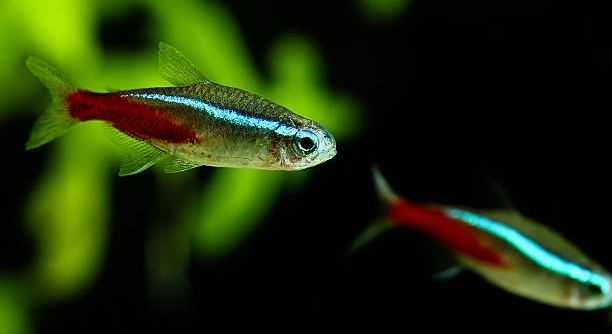
Training your tetra fish to eat from your hand can be a rewarding experience for any aquarium owner. This simple interaction helps build trust between you and your pet, making feeding time more enjoyable. Many fish owners seek ways to encourage this behavior.
The most effective way to train your tetra to eat from your hand involves patience, consistent feeding routines, and gradually introducing your hand into the tank. Using small amounts of food and creating a calm environment supports the learning process and reduces stress for the fish.
Learning these tips will improve your connection with your tetra and create a more engaging aquarium experience. The process is straightforward when approached with care and consistency.
Preparing Your Tank and Setting the Right Environment
Creating a calm and safe environment is essential before starting hand feeding with your tetra. Make sure your tank is clean and free of sudden movements or loud noises that could stress the fish. Adjust the lighting to a softer level to help your tetra feel more comfortable and less threatened. Introduce your hand slowly into the tank without sudden motions to avoid scaring the fish. It is important to maintain a consistent feeding schedule so your tetra begins to associate your presence with food. Keeping distractions low and the water temperature stable also supports your fish’s well-being, making it easier for them to trust you and learn the new behavior. Small changes can make a big difference when working with delicate fish like tetras.
Creating a calm environment reduces stress, which is key to encouraging your tetra to eat from your hand. Consistency will build trust over time.
Consistency in the environment helps your tetra feel safe and ready to accept food from your hand. By regularly feeding at the same time and place, the fish will become familiar with your routine. Avoid tapping on the glass or making sudden movements, as this can frighten them. Using slow, gentle motions when placing your hand in the tank will encourage your tetra to approach. Additionally, avoid overcrowding the tank, as too many fish can create stress and competition. A quiet, relaxed tank setting supports better learning and bonding between you and your tetra. Patience during this stage is critical for success.
Choosing the Right Food for Hand Feeding
Start with small, easily manageable food like flakes or tiny pellets that your tetra normally eats. Food that floats or sinks slowly is best because it gives your fish time to notice and grab it from your hand. Avoid large or hard foods that might scare or overwhelm your tetra. Using high-quality food ensures your fish stays healthy while learning this new behavior. If your tetra prefers live or frozen foods, offer small portions that can be held on your hand or a feeding stick. Offering familiar food will encourage your tetra to come closer to your hand during feeding times.
Proper food selection encourages your tetra to accept hand feeding with less hesitation.
Different types of food require different approaches. Flake food is often easiest for beginners because it can be gently placed on your palm and easily taken by the fish. If your tetra favors frozen or live food, you may need to hold it on tweezers or a small feeding tool to avoid direct contact while training. Make sure to offer food that your fish already recognizes to reduce any resistance. Avoid overfeeding during training sessions as this can reduce their motivation to eat from your hand. Observing which food your tetra prefers helps tailor the experience, making hand feeding more successful and enjoyable for both of you. Keep portions small and gradually increase hand-feeding sessions as the fish becomes comfortable.
Introducing Your Hand Slowly
Start by placing your hand just outside the tank for a few minutes each day. Let your tetra get used to its presence without any food involved. This helps reduce fear and builds familiarity.
Once your tetra seems calm near your hand, try dipping your fingers gently into the water. Avoid sudden movements and keep your hand steady. The goal is to make your hand a non-threatening part of the environment. Patience is essential—some fish take longer than others to feel comfortable.
After several sessions, hold a small piece of food on your palm and place it in the water. If your tetra approaches and eats, reward the behavior with gentle, calm movements. Gradually increase the amount of time your hand spends in the tank to build trust.
Maintaining Patience and Consistency
Training a tetra to eat from your hand takes time and repetition. Stick to a regular feeding schedule and avoid rushing the process. Your fish will respond better when it knows what to expect.
Each day, dedicate a few minutes to hand feeding, even if your tetra seems hesitant. Consistency helps build confidence and trust. If the fish retreats, don’t force the interaction; instead, try again later with a calmer approach. Always use the same feeding spot in the tank to reinforce the routine. Keeping sessions short and positive encourages your tetra to return willingly. Over time, this steady patience will lead to successful hand feeding and a stronger bond with your fish.
Watching Your Tetra’s Behavior
Pay close attention to your tetra’s reactions during training. Signs of stress include darting away or hiding. These indicate that you may need to slow down your approach.
Positive behavior, like slowly approaching your hand or nibbling near it, shows progress. Adjust your pace based on these cues to keep the process comfortable for your fish.
Using Feeding Tools for Support
Feeding tools such as small tweezers or feeding sticks can help bridge the gap between your hand and your tetra. These tools allow precise food placement, reducing fear caused by sudden hand movements. Gradually, you can transition from tools to direct hand feeding.
Avoiding Overfeeding
Overfeeding can cause health problems and reduce your tetra’s interest in hand feeding. Keep feeding sessions short and use only small portions of food. This keeps your fish motivated and healthy.
How long does it usually take to train a tetra to eat from your hand?
Training time varies depending on the individual fish and the consistency of your efforts. Some tetras may start eating from your hand within a few days, while others might take several weeks. Patience and regular, calm interactions are key factors that influence how quickly your fish adapts.
Can I train multiple tetras to eat from my hand at the same time?
Yes, it is possible to train more than one tetra at once, but it can be more challenging. Each fish has its own personality and comfort level. Some may be bolder and approach your hand faster, while others might stay shy. Make sure to observe each fish’s behavior and adjust your pace accordingly.
What if my tetra is too shy and keeps hiding?
If your tetra hides frequently, slow down the training process. Spend more time just placing your hand near the tank without food. Allow the fish to get comfortable with your presence before introducing food. Reducing tank disturbances and bright lighting can also help shy fish feel safer.
Is it safe to put my hand in the tank every day?
Yes, it is generally safe to place your hand in the tank daily as long as your hands are clean and free from soap, lotions, or chemicals. Always wash your hands thoroughly before dipping them into the aquarium to avoid contaminating the water.
What type of food is best for hand feeding?
Small flakes, micro pellets, or soft freeze-dried foods are usually the best options. These foods are easy for the tetra to take from your hand and won’t cause choking. Avoid large or hard foods during training, as they might scare or discourage your fish.
Can hand feeding stress my tetra?
If done correctly, hand feeding should not stress your tetra. However, rushing the process or making sudden movements can cause stress. It is important to be gentle, patient, and consistent. Watching your fish’s behavior will help you know if you need to slow down.
What should I do if my tetra bites my fingers?
Tetras have small mouths and rarely bite hard. If your fish nips, it’s usually a gentle nibble and not harmful. If the nibbling becomes frequent, it might mean the fish is confused or stressed. Avoid sudden moves and offer food calmly to reduce this behavior.
Can I use live food to train my tetra to eat from my hand?
Live food can work well because it often excites your fish and encourages natural feeding behavior. However, handling live food carefully is important to keep your tank clean. Start with small amounts and introduce live food slowly to prevent overwhelming your tetra.
What if my tetra ignores my hand during feeding?
Ignoring your hand could mean the fish is not yet comfortable or not hungry. Try reducing the amount of food in the tank before hand feeding to increase motivation. Also, make sure you are consistent with your feeding schedule and keep your hand movements slow.
Will hand feeding affect my tetra’s health?
Hand feeding itself doesn’t harm your tetra’s health if you keep portions small and avoid overfeeding. It can even be beneficial by providing mental stimulation and encouraging interaction. Always monitor your fish’s health and adjust feeding as needed.
Is it better to train a young tetra or an adult?
Younger tetras may adapt more quickly because they are still developing habits. However, adult tetras can also learn with enough patience and consistency. Either age can be trained successfully, but young fish might require less time.
How often should I practice hand feeding?
Practicing daily or every other day works best to keep your tetra familiar with the routine. Short sessions of just a few minutes help maintain interest without causing stress. Consistency is more important than length of time in each session.
Can hand feeding cause aggression among tetras?
Some competition can occur if multiple tetras try to eat from your hand at once. To reduce aggression, feed smaller groups separately or spread food over a larger area of your hand. Watching your fish’s behavior will help you manage any conflicts.
What if my tetra refuses to eat from my hand after several attempts?
If your fish does not take food from your hand after several tries, review your approach. Slow down the process, make sure your hand is steady, and check that the food is appropriate. Sometimes, giving your tetra a break before trying again helps reduce stress.
Can I train other types of fish to eat from my hand using these tips?
Many small, calm fish can be trained to eat from your hand using similar methods, but not all species respond the same way. Tetras are generally peaceful and curious, which makes training easier. Always research your specific fish species before trying hand feeding.
Training your tetra to eat from your hand can be a rewarding and enjoyable experience. It takes patience and consistency, but the effort is worth it. Hand feeding helps build trust between you and your fish, making feeding times more interactive and less stressful for both. By following simple steps like creating a calm environment, introducing your hand slowly, and using the right type of food, you increase your chances of success. It is important to observe your tetra’s behavior throughout the process and adjust your approach as needed to keep your fish comfortable.
Consistency plays a major role in training your tetra. Feeding your fish at the same time and place each day helps them understand what to expect. This regular routine encourages your tetra to come closer and accept food from your hand. Avoid rushing or forcing your fish to eat from your hand, as this can cause stress and make the process take longer. If your fish seems hesitant, slow down and give it time. Small, gradual steps are better than quick advances. Remember, each fish is different, and some may take longer to trust you.
Finally, hand feeding can improve the overall well-being of your tetra. It encourages mental stimulation and creates a closer connection between you and your fish. However, it is important to avoid overfeeding and maintain proper tank conditions to keep your tetra healthy. Be patient and gentle throughout the process, and your tetra will likely learn to eat from your hand in time. This simple act can make your aquarium experience more fulfilling and help you enjoy caring for your fish even more.

Hello,
If you enjoy the content that we create, please consider saying a "Thank You!" by leaving a tip.
Every little bit helps us continue crafting quality advice that supports the health, happiness, and well-being of pets around the world, for pets of all shapes, sizes, and species.
We really appreciate the kindness and support that you show us!