
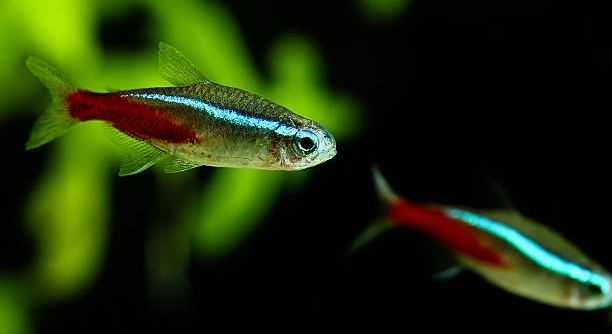
Keeping baby tetras healthy takes attention and care. These small fish need the right environment to thrive and grow strong in home aquariums. Proper care ensures they stay lively and avoid common health problems.
Maintaining stable water conditions, providing a balanced diet, and preventing overcrowding are key factors to keeping baby tetras alive and healthy. Regular monitoring of water quality and gentle handling also support their growth and well-being.
Understanding these simple care steps can make a big difference in your baby tetras’ survival and happiness. Following guidelines will help you create a safe and comfortable home for them.
Provide Stable Water Conditions
Maintaining stable water conditions is essential for baby tetras to thrive. Sudden changes in temperature, pH, or ammonia levels can stress the fish and lead to illness or death. The ideal temperature range is between 72 and 78°F (22 to 26°C). Use a reliable heater and thermometer to monitor and keep the temperature steady. The pH should stay between 6.5 and 7.5, and ammonia and nitrite levels must be kept at zero through regular water changes and proper filtration. Avoid overcrowding, as too many fish can quickly degrade water quality. Frequent testing of water parameters helps catch issues early before they harm the baby tetras. A clean tank with well-maintained equipment supports their health and development.
Regular water changes of about 25% weekly are recommended to keep conditions safe. Testing kits make it easier to track the water’s status.
Creating a stable environment supports growth and reduces stress, which is vital for baby tetras’ survival. Water quality directly impacts their immune system, making them less prone to disease.
Feed a Balanced Diet
Baby tetras need a varied diet to get essential nutrients for growth and energy. High-quality flake food designed for tropical fish is a good base. Supplement this with live or frozen foods such as brine shrimp, daphnia, or bloodworms to mimic their natural diet. These foods provide protein and help develop their immune system. Feed small amounts two to three times a day to avoid overfeeding, which can pollute the tank and harm water quality. Uneaten food should be removed promptly. Young fish may require finely crushed food or specially prepared fry food, as their mouths are small. Observing their eating habits helps adjust portion sizes and feeding frequency. A well-fed baby tetra is more active and less likely to suffer from health problems.
Maintain Proper Tank Size and Decoration
Choosing the right tank size and decorations is important for baby tetras’ well-being. A tank of at least 10 gallons provides enough space to swim and grow. Avoid overcrowding to reduce stress and waste buildup. Plants, rocks, and hiding places offer shelter and security, replicating their natural habitat. These decorations also encourage natural behavior and reduce aggression. Ensure decorations have no sharp edges to prevent injuries. Proper lighting supports plant growth and maintains the fish’s day-night cycle. Clean the tank regularly to remove debris and prevent algae buildup. Maintaining the tank environment contributes to healthier, more vibrant baby tetras, promoting long-term survival and growth.
Monitor Water Quality Regularly
Consistent water testing prevents harmful conditions. Use test kits to check ammonia, nitrite, nitrate, and pH levels weekly. Maintaining safe levels keeps baby tetras healthy and stress-free.
Water quality directly affects the fish’s immune system. Ammonia and nitrites are toxic even at low levels, so regular monitoring is crucial. If test results show spikes, immediate partial water changes can prevent illness. Keep nitrates below 20 ppm to avoid long-term stress. Regular testing also helps identify equipment failures early, such as a malfunctioning filter or heater. Keeping a log of water parameters helps track patterns and plan maintenance. Small, frequent water changes are better than large, infrequent ones to maintain stability. Clear water and stable chemistry create a healthy environment where baby tetras can flourish.
Water monitoring is not only about testing but also about acting on the results quickly. This vigilance greatly increases the survival rate of baby tetras in home tanks.
Avoid Overcrowding
Overcrowding increases waste and stress, harming baby tetras. Keeping fewer fish per tank volume improves water quality and reduces aggression. Space allows better swimming and growth.
Overcrowding leads to poor oxygen levels and faster accumulation of toxins like ammonia. This weakens fish, making them more vulnerable to disease. Providing adequate space reduces competition for food and hiding spots, which lowers stress. A common recommendation is one inch of fish per gallon of water, but this varies depending on tank setup. Avoid sudden additions of many fish to prevent stress spikes. Proper stocking ensures each tetra has enough room to swim freely and develop normally. Overcrowding also complicates maintenance, as waste builds up faster, requiring more frequent water changes. Maintaining a balanced number of fish improves overall tank health and longevity.
Handle Baby Tetras Gently
Handling baby tetras with care reduces stress and injury. Use soft nets and avoid sudden movements when transferring them between tanks.
Stress from rough handling weakens their immune system and can lead to illness. Gentle care supports their growth and well-being.
Keep the Tank Clean
Regular cleaning prevents harmful buildup of waste and algae. Clean the substrate, decorations, and filter regularly to maintain a healthy environment.
Use a Quality Filter
A good filter removes toxins and keeps water clear without creating strong currents. Gentle filtration suits baby tetras’ delicate nature.
Filters also help maintain oxygen levels and reduce the risk of harmful bacteria growth.
FAQ
How often should I feed baby tetras?
Baby tetras need to be fed small amounts two to three times a day. Overfeeding can pollute the water, so it’s best to give only what they can eat in a few minutes. Removing uneaten food prevents water quality issues that harm the fish.
What is the ideal tank size for baby tetras?
A tank of at least 10 gallons is recommended for baby tetras. This size allows enough space for swimming and helps maintain stable water conditions. Smaller tanks are harder to keep balanced, which can stress the fish.
Can baby tetras live with other fish?
Baby tetras can live with peaceful tank mates of similar size. Avoid aggressive or larger fish that may harm or eat them. It’s important to ensure all fish have compatible water requirements and similar temperaments.
What should I do if my baby tetra gets sick?
If you notice unusual behavior or physical signs like spots, clamped fins, or lethargy, test the water quality immediately. Poor water conditions are often the cause. Treat with appropriate medication after identifying the problem. Quarantine sick fish if possible to avoid spreading illness.
How do I know if the water parameters are safe?
Ammonia and nitrite should always be zero. Nitrate levels should be kept below 20 ppm. The pH should stay between 6.5 and 7.5. Temperature needs to remain stable between 72 and 78°F. Regular testing with kits helps monitor these levels.
Is it necessary to have live plants in the tank?
Live plants help improve water quality by absorbing nitrates and provide hiding spots for baby tetras. They also make the tank look natural and reduce stress for the fish. However, plants require proper lighting and care to thrive.
How much water should I change and how often?
Changing about 25% of the tank water weekly is ideal. This removes waste and keeps water parameters stable without shocking the fish. Use dechlorinated water at the same temperature to avoid stressing baby tetras.
What type of food is best for baby tetras?
A mix of high-quality flake food and live or frozen foods like brine shrimp or daphnia offers a balanced diet. These foods provide necessary nutrients and help build a strong immune system.
Can baby tetras survive in tap water?
Tap water must be treated to remove chlorine and chloramines before adding it to the tank. Untreated tap water can harm or kill baby tetras. Water conditioners are available to make tap water safe for fish.
How often should I clean the tank?
Regular cleaning of the tank, substrate, and decorations every two weeks helps prevent waste buildup. Clean the filter monthly to maintain good water flow but avoid washing it with tap water to preserve beneficial bacteria.
Keeping baby tetras alive and healthy requires consistent attention and care. By maintaining stable water conditions, providing a balanced diet, and avoiding overcrowding, you create an environment where these small fish can thrive. Regular water testing and gentle handling also play important roles in supporting their well-being. When these basic needs are met, baby tetras are less likely to fall ill and more likely to grow strong and active in your aquarium.
It is important to remember that every aspect of care contributes to the overall health of baby tetras. A clean tank with proper filtration reduces harmful toxins, while decorations and plants offer shelter and reduce stress. Feeding them the right foods in appropriate amounts ensures they receive necessary nutrients without harming water quality. Avoiding sudden changes in water temperature or chemistry helps prevent shock and disease. Consistency in these areas supports the fish’s immune system and longevity.
Taking the time to understand and meet these needs will improve the chances of keeping baby tetras healthy for a long time. Although caring for fish can sometimes feel challenging, the results are rewarding. A well-maintained tank with lively, healthy baby tetras provides enjoyment and satisfaction. With patience and attention, you can create a balanced and thriving aquatic environment for your fish.

Hello,
If you enjoy the content that we create, please consider saying a "Thank You!" by leaving a tip.
Every little bit helps us continue crafting quality advice that supports the health, happiness, and well-being of pets around the world, for pets of all shapes, sizes, and species.
We really appreciate the kindness and support that you show us!