
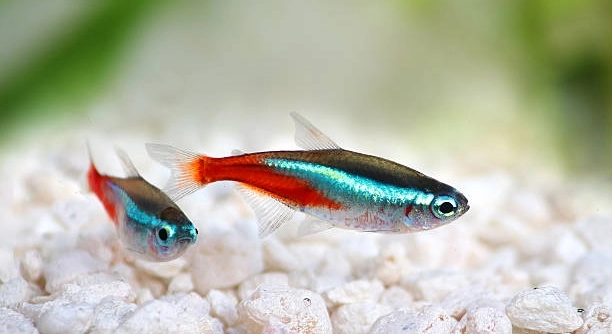
Have you ever noticed one tetra chasing others or guarding a certain spot in the tank a little too much?
Dominant behavior in tetras often shows through aggression, food guarding, fin nipping, and territorial swimming patterns. These signs can affect tank harmony and stress other fish. Identifying these behaviors early helps prevent long-term problems.
Understanding these signs will help you create a peaceful tank environment and protect the well-being of all your fish.
Sign 1: Chasing Other Tetras
Chasing is one of the clearest signs of dominant behavior in tetras. A dominant fish will often swim rapidly after other tetras, usually forcing them away from certain areas of the tank. This behavior may seem playful at first, but constant chasing creates stress for the other fish. It can interrupt their feeding habits and cause them to hide more often, impacting their overall health. A dominant tetra uses chasing to establish its control, especially when it comes to territory or food. This is more noticeable in smaller tanks or when space is limited.
Frequent chasing can lead to injuries or fin damage, especially if the others have no place to escape.
To reduce this behavior, make sure your tank is properly sized, well-decorated with plants, and offers plenty of hiding spots. Adding more tetras to balance the school can help spread out aggression and lower the dominance levels naturally.
Sign 2: Guarding a Specific Area
A dominant tetra may claim one section of the tank and guard it aggressively. This might include plants, rocks, or even the filter outlet.
This guarding behavior is common in territorial species, but tetras usually thrive in peaceful groups. When one fish becomes too protective over a space, it limits others’ access and causes tension. Other tetras may begin to avoid the guarded area completely, which reduces their comfort and activity levels. Over time, this can result in uneven tank use and increase stress in more passive fish. Providing enough decorations and visual breaks can help reduce territorial behavior. Keep in mind that a stressed tankmate is more vulnerable to illness. You can also observe if the dominant fish is guarding near food or high-flow areas. If so, rearranging the tank layout or altering the feeding routine can help shift this behavior. Always keep an eye on group dynamics and adjust conditions as needed.
Sign 3: Nipping at Fins
Nipping is a direct sign that one tetra is trying to show control over others. It’s not playful and usually causes visible damage over time.
Fin nipping often targets slower or more passive tankmates. A dominant tetra may repeatedly nip at another fish’s fins, especially if it views the other as weak or intrusive. This can lead to frayed fins, open wounds, and infection. Fin nipping is more common in understocked schools where the dominant fish lacks distractions. In such cases, adding more tetras of the same species may help redirect the aggressive energy. It’s also important to monitor feeding behavior, as nipping may increase during mealtimes. If one tetra hogs food and pushes others away, that same fish might also be the one causing fin damage. Balanced feeding and tank enrichment are essential to reduce these habits.
Sometimes, even peaceful species can act out when the tank feels too empty or unbalanced. A stressed or bored tetra may resort to fin nipping out of frustration. Provide enough stimulation through plant cover, swimming space, and tank mates that match in energy. If fin nipping continues despite changes, isolating the dominant fish temporarily can help reset group behavior. Always treat any fin damage promptly to avoid health issues.
Sign 4: Blocking Access to Food
A dominant tetra may block others during feeding times, forcing them to stay away from floating flakes or sinking pellets. This behavior creates a feeding imbalance.
Tetras are fast eaters, and a dominant one can take advantage of this by circling the food area and nipping at any fish that approaches. This makes it harder for weaker tankmates to eat, which can lead to weight loss, stress, and illness over time. Feeding the fish in multiple areas at once can help make things more equal. You might also try using floating rings or placing food at opposite ends of the tank to give all fish a fair chance. Keep a close eye during feeding to spot any repeated interference. When one fish consistently pushes others away, it’s time to take steps to rebalance the tank dynamics through spacing, decor, or feeding routine changes.
Sign 5: Constantly Displaying at Other Fish
Dominant tetras may flare their fins, widen their posture, or circle others to show their status. These displays are meant to intimidate.
This behavior usually increases during feeding or when new fish are added. It can stress tankmates and disrupt the tank’s calm balance.
Sign 6: Refusing to School Properly
When a tetra separates from the group and roams alone, it may be showing dominance. Schooling is a natural behavior that brings safety and comfort. A dominant fish distancing itself might be avoiding others it has already intimidated. It may also be patrolling its chosen area of the tank. In smaller schools or cramped tanks, this behavior becomes more common and problematic. If left unchecked, it can cause isolation among other tetras, weakening the social dynamic. Ensuring the school has enough members, at least six or more, can reduce this issue. Spacing, cover, and visual barriers also support healthy schooling.
Sign 7: Chasing New Tankmates
Tetras showing dominance will often chase new additions immediately. This helps them defend their perceived territory and reinforce control.
How can I reduce dominant behavior in my tetras?
To reduce dominant behavior, start by ensuring your tank is large enough for all fish to have space. Overcrowding often leads to stress and aggression. Add plenty of plants, decorations, and hiding spots to break lines of sight and give less dominant fish places to retreat. Feeding should be done in several locations around the tank to prevent one fish from blocking access. Increasing the number of tetras in the school helps spread out aggression, as dominance is less focused on a single fish. Monitor behavior regularly and rearrange tank decor if necessary to discourage territorial guarding.
Is dominant behavior harmful to my tetras?
Yes, dominant behavior can harm other fish in several ways. Constant chasing, fin nipping, and blocking food access cause stress and physical injury. Stressed fish are more likely to develop illnesses or weakened immune systems. If dominant behavior persists without intervention, weaker fish may stop eating or hide excessively, which harms their health. Early detection and action help maintain a balanced environment where all fish thrive.
Can dominant tetras be removed or isolated?
If a tetra’s behavior becomes too aggressive and causes harm, isolating that fish temporarily can help calm the group. Use a separate tank or a breeder box inside the main tank. This break allows the dominant fish to cool down and gives others a chance to regain confidence. Long-term removal may be necessary if aggression continues despite environmental changes. When reintroducing, watch for recurring signs and be prepared to repeat isolation if needed.
Do all tetras show dominant behavior?
Not all tetras become dominant, but some individual fish naturally develop these traits. It often depends on species, tank conditions, and group size. Larger or more aggressive species are more prone to showing dominance. Proper tank setup and social groupings usually prevent extreme behaviors. Observing your fish closely helps you identify if dominance is developing before it becomes a serious problem.
How does tank size affect dominance?
Small tanks limit swimming space and hiding spots, increasing competition for territory and resources. In tight quarters, dominant fish find it easier to control areas and bully others. Larger tanks provide more space and reduce encounters, which lowers aggressive behaviors. As a rule, aim for at least 10 gallons for small schools and add extra space for each additional fish.
Can changing the tank layout help with dominance?
Yes, changing decorations and rearranging plants can disrupt established territories and reduce guarding behavior. New layouts force fish to explore and establish fresh boundaries. Visual barriers also give less dominant fish places to hide and reduce stress. Regular changes every few weeks help maintain a balanced environment and keep dominant tendencies in check.
What role does feeding play in dominant behavior?
Feeding is a common trigger for dominance. Fish compete for food, and dominant individuals may block others or chase them away. Feeding multiple times a day in different spots spreads out competition. Using sinking pellets alongside flakes ensures slower eaters have a chance. Avoid overfeeding but provide enough to satisfy all fish.
Are there specific tetra species more prone to dominance?
Yes, some species like the Buenos Aires tetra are known for more aggressive and dominant behavior. Other tetras, such as neon tetras, are typically peaceful but can still develop dominant traits in stressful or overcrowded conditions. Knowing your species’ temperament helps anticipate and manage behavior.
How important is group size in preventing dominance?
A larger group of six or more tetras usually reduces dominance because aggression is spread out. Smaller groups or singles increase pressure on individual fish, making dominance more likely. Keeping your tetras in proper schools supports natural social behavior and minimizes conflicts.
What signs should I watch for to catch dominance early?
Look for repeated chasing, fin damage, a fish isolating itself, guarding a spot, or blocking food. Any sudden changes in how fish interact, such as increased aggression during feeding or new arrivals, signal possible dominance. Early detection allows for timely tank adjustments to prevent long-term harm.
Understanding dominant behavior in tetras is important for keeping a healthy and peaceful aquarium. Dominance shows itself in several ways, such as chasing, fin nipping, guarding spaces, and blocking food. These actions affect not only the dominant fish but also the well-being of other tetras in the tank. When one fish controls much of the space or resources, it can cause stress, reduce feeding opportunities, and even lead to injuries. Recognizing these signs early is key to maintaining a balanced environment where all fish can thrive without constant tension.
Managing dominant behavior often comes down to creating the right environment. Tank size plays a big role, as crowded or small tanks increase competition. Providing enough room, hiding spots, and decorations helps break up territories and gives less aggressive fish places to escape. Feeding habits also impact behavior; spreading food around the tank ensures everyone has access and reduces competition. Adding more tetras to create a proper school can help diffuse aggression by sharing attention and energy across more individuals. Small changes like rearranging plants or changing where food is placed may reduce dominant actions and keep the group more peaceful.
It is important to remember that some level of dominance is natural in many fish species, including tetras. However, when it becomes harmful to the group, steps need to be taken. Isolating a particularly aggressive fish temporarily or adjusting tank conditions can improve the situation. Observing fish regularly allows you to respond before behaviors escalate. A calm and well-maintained tank encourages healthy social interactions and keeps all tetras happier. With proper care and attention, dominant behavior can be controlled to support a balanced and healthy community tank.

Hello,
If you enjoy the content that we create, please consider saying a "Thank You!" by leaving a tip.
Every little bit helps us continue crafting quality advice that supports the health, happiness, and well-being of pets around the world, for pets of all shapes, sizes, and species.
We really appreciate the kindness and support that you show us!