
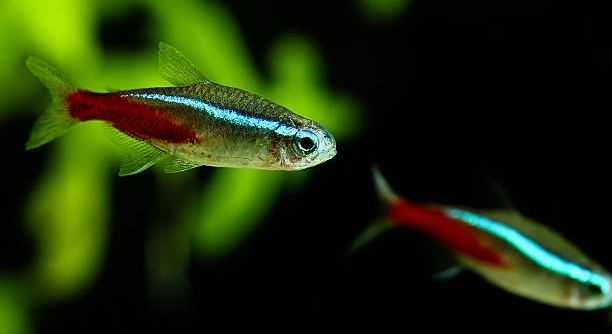
Tetra fish are popular pets, and many enthusiasts enjoy breeding them at home. Successful breeding requires understanding their needs and environment. With the right care, you can improve your chances of raising healthy tetra fry in your aquarium.
Breeding tetras involves providing proper water conditions, diet, and a suitable breeding environment. Maintaining stable temperature, soft water, and low light helps encourage spawning. Additionally, feeding high-quality live or frozen foods boosts fertility and fry survival rates.
These practical tips can help you create the best conditions for your tetra breeding efforts and increase your success in raising vibrant, healthy fish.
Creating the Ideal Breeding Environment
Setting up the right tank environment is essential for successful tetra breeding. Tetras prefer soft, slightly acidic water with a temperature around 75 to 80°F (24 to 27°C). Use a sponge filter or gentle filtration to keep the water clean without stressing the fish. Dim lighting helps simulate their natural habitat, encouraging spawning behavior. Adding fine-leaved plants or spawning mops provides safe places for eggs to attach and protects fry from being eaten. It’s important to remove any aggressive or large tank mates that might harm the eggs or fry. Regular water changes with soft, dechlorinated water maintain stability. Monitoring water parameters such as pH and hardness keeps conditions optimal. Keeping the breeding tank quiet and undisturbed also reduces stress, which supports healthier breeding. With patience and attention to these details, your tetra pair will be more likely to produce viable eggs.
Consistent water quality and gentle conditions make a big difference in encouraging tetras to breed naturally and successfully.
Breeding tetras requires more than just good water; providing privacy helps them feel safe. Using a separate breeding tank with hiding spots reduces stress. After spawning, removing adult fish prevents them from eating eggs. Maintaining stable water conditions prevents sudden changes that might harm eggs or fry. Using natural plants or spawning mops mimics their natural environment and supports egg attachment. Feeding parents nutritious live or frozen foods also improves breeding readiness. All these factors together build a supportive environment for healthy breeding and fry growth.
Feeding for Breeding Success
Providing the right diet is key to preparing tetras for breeding. High-quality live or frozen foods like brine shrimp, daphnia, and bloodworms offer essential nutrients that encourage spawning. Feeding small amounts multiple times a day ensures parents stay healthy without polluting the water. Avoid overfeeding, as leftover food can quickly degrade water quality. Supplementing with good-quality flakes or pellets adds balanced nutrition. Nutrient-rich diets improve egg quality and increase the survival chances of fry. Before breeding, conditioning the fish with a varied diet for at least two weeks helps boost fertility. This careful feeding routine makes a noticeable difference in breeding outcomes and fry vitality. It is important to keep the feeding schedule consistent to maintain the fish’s health and readiness for spawning. Proper nutrition supports strong eggs and healthy fry development.
Timing the Breeding Cycle
Tetras often spawn early in the morning when conditions are calm and quiet. To encourage breeding, mimic natural light cycles by providing about 12 hours of light followed by darkness. Adjusting the water temperature slightly higher by 2 to 3 degrees can trigger spawning behavior. Keep an eye on the fish for signs like increased chasing or color changes. These behaviors usually indicate readiness to breed.
Breeding success depends on recognizing when your tetras are ready. Spawning can happen quickly, so be prepared to protect the eggs immediately. Monitoring the fish’s behavior helps you time tank maintenance and breeding tank setup accurately. Temperature changes and stable lighting can naturally stimulate spawning cycles, making the process smoother.
Understanding these natural rhythms lets you plan the best moments to breed your tetras. Maintaining consistent conditions during this period increases the chances of a successful spawn and healthy fry development.
Caring for Eggs and Fry
After spawning, eggs need protection from adults, so removing the parents is necessary. Eggs typically hatch within 24 to 36 hours depending on water temperature. Keep the water clean and well-oxygenated to promote healthy development. Avoid strong water currents that could dislodge or damage eggs.
Once hatched, fry are very small and require microscopic foods like infusoria or specially prepared fry food for the first few days. As they grow, gradually introduce baby brine shrimp or finely crushed flakes. Frequent, small feedings support steady growth without polluting the tank. Maintaining stable water quality and temperature is vital to avoid stress or disease.
Regular observation ensures any problems with eggs or fry can be addressed quickly. Patience and careful care during this stage are key to raising strong, healthy tetras. Providing proper nutrition and a safe environment helps fry survive the vulnerable early weeks.
Preventing Fungus on Eggs
Fungus can quickly ruin tetra eggs if not controlled. Adding a small amount of methylene blue or antifungal treatment to the water helps protect the eggs. Keeping the water clean and well-oxygenated also reduces fungal growth.
Regularly removing dead or unfertilized eggs prevents fungus from spreading. This keeps the breeding tank healthier and increases the chances of more eggs hatching successfully.
Separating the Fry
Separating fry from adult fish is important once they are free-swimming. Adults may see fry as food and harm them. Using a separate nursery tank or breeding box keeps fry safe during their vulnerable stage.
A separate tank allows easier monitoring of water quality and feeding. It also reduces stress for both fry and adult fish, improving overall survival rates.
Monitoring Water Parameters
Stable water parameters are essential for breeding success. Regular testing of pH, temperature, ammonia, and nitrite levels ensures a healthy environment. Sudden changes can stress fish and lower breeding chances.
Maintaining gentle filtration and regular water changes supports consistent water quality and promotes healthy growth for both adults and fry.
FAQ
How long does it take for tetra eggs to hatch?
Tetra eggs usually hatch within 24 to 36 hours after spawning. The exact time depends on the water temperature—warmer water speeds up hatching, while cooler water slows it down. Keeping the temperature steady helps ensure the eggs develop properly without stress.
What should I feed newly hatched tetra fry?
Newly hatched fry need very small food, like infusoria or commercially prepared liquid fry food. These tiny foods are easy for them to eat and digest. After a few days, you can introduce baby brine shrimp or finely crushed flakes as they grow.
Can I keep adult tetras with the fry?
It’s best to separate the fry from adult tetras. Adults often eat the eggs and young fry. Using a breeding or nursery tank keeps fry safe and increases their chances of survival until they are big enough to join the main tank.
What water conditions are best for breeding tetras?
Soft, slightly acidic water with a pH between 6.0 and 7.0 is ideal. The temperature should be between 75 and 80°F (24 to 27°C). Clean, stable water with low nitrate and ammonia levels supports healthy breeding and fry development.
How often should I change the water during breeding?
Small, frequent water changes of about 10-20% every few days help maintain good water quality. Avoid large or sudden water changes as they can stress both adults and eggs. Use dechlorinated water with similar temperature and pH to the tank.
What causes tetra eggs to fail to hatch?
Common reasons include poor water quality, fungal infections, and adult fish eating the eggs. Using antifungal treatments, keeping the breeding tank clean, and removing adults right after spawning reduce risks and improve hatch rates.
How can I encourage my tetras to spawn?
Provide the right environment: soft, warm water, dim lighting, and plenty of hiding places like plants or spawning mops. Feeding high-quality live or frozen foods boosts their health and readiness. Slightly increasing the temperature by 2 to 3 degrees can also trigger spawning.
Is it necessary to use live food for breeding tetras?
Live food is highly recommended because it improves the fish’s condition and increases fertility. Foods like brine shrimp and daphnia provide essential nutrients. However, quality frozen alternatives can also work if live food is unavailable.
How long do tetra fry take to grow?
Tetra fry grow quickly, usually becoming free-swimming within 3 to 5 days. They start eating small foods immediately and reach juvenile size within a few weeks. Proper feeding and water conditions help them grow strong and healthy.
Can I breed different types of tetras together?
It’s best to breed one species at a time to avoid hybrid offspring. Different tetra species have slightly different breeding needs and behaviors. Keeping species separate ensures healthier fry and clearer results.
What signs show that tetras are ready to breed?
Males become more colorful and active, chasing females gently. Females may look fuller or rounder when carrying eggs. These behaviors usually mean they are ready to spawn soon.
How do I prevent fungus on tetra eggs?
Using a small amount of methylene blue or antifungal solution helps protect eggs from fungus. Also, remove any dead or unfertilized eggs promptly to stop fungus from spreading.
Can I breed tetras in a community tank?
Breeding in a community tank is difficult because other fish may eat eggs and fry. It’s better to use a separate breeding tank where you can control conditions and protect the young fish.
How do I care for tetra fry after they hatch?
Keep water clean and temperature stable. Feed very small foods frequently and avoid overcrowding. Regularly check water parameters to prevent harmful spikes in ammonia or nitrites.
What if my tetras don’t spawn after conditioning?
If spawning doesn’t happen, check water quality, temperature, and diet. Make sure the tank has enough hiding places and dim lighting. Sometimes, simply waiting a bit longer or adjusting the temperature slightly can trigger spawning.
These answers cover many common concerns and help you improve your chances of breeding healthy tetras successfully. Consistency, good care, and attention to detail make a big difference.
Breeding tetras can be a rewarding experience when you understand their needs and provide the right environment. Paying close attention to water quality, temperature, and tank setup is important. Tetras prefer soft, slightly acidic water and gentle filtration. Creating a calm and stable space encourages natural breeding behavior. Using plants or spawning mops gives the fish places to lay their eggs safely. It is also helpful to keep the lighting low to mimic their natural habitat. Making these adjustments helps create the best conditions for your tetras to breed and thrive.
Feeding plays a key role in successful breeding. Providing a varied diet rich in live or frozen foods improves the health and fertility of your fish. Foods like brine shrimp, daphnia, and bloodworms offer important nutrients that support egg production and the development of strong fry. It is best to feed small amounts several times a day to avoid polluting the water. Conditioning the fish with good nutrition before breeding can make a noticeable difference in results. Once the fry hatch, their diet should shift to tiny, easy-to-eat foods that promote steady growth. Keeping the water clean and stable during this time reduces stress and helps the fry survive their vulnerable early days.
Patience and careful monitoring are essential throughout the breeding process. It is important to separate adults from eggs and fry to prevent accidental eating. Removing dead or unfertilized eggs helps avoid fungus and keeps the tank environment healthy. Regularly testing water parameters and performing gentle water changes maintain good conditions. Watching the behavior of your tetras will help you identify when they are ready to spawn or if there are any problems. While breeding tetras can sometimes be challenging, following these guidelines increases the chances of success. With consistent care, your efforts will lead to healthy, thriving tetra fry that grow into beautiful adult fish.

Hello,
If you enjoy the content that we create, please consider saying a "Thank You!" by leaving a tip.
Every little bit helps us continue crafting quality advice that supports the health, happiness, and well-being of pets around the world, for pets of all shapes, sizes, and species.
We really appreciate the kindness and support that you show us!