
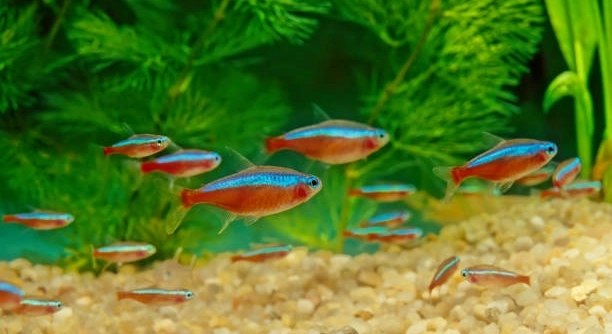
Are your tetra fish often inactive or hiding in the tank? Many fish owners notice their tetras seem less lively than expected. Understanding what influences their activity can improve their well-being and make your aquarium more enjoyable.
Tetras require proper water conditions, balanced diet, and stimulating environment to stay active. Factors such as temperature, lighting, and tank setup play critical roles in encouraging natural behavior and movement. Providing these elements supports their health and vitality.
Small adjustments to your tank and care routine can make a noticeable difference. The following tips will help your tetras become more active and healthier in their home.
Maintain Proper Water Conditions
Keeping the water clean and stable is key for your tetra’s activity. Tetras thrive in water with a temperature between 72°F and 80°F, and a pH around 6.5 to 7.5. Regular water changes help remove waste and toxins that can make fish lethargic. Using a water conditioner removes harmful chlorine and chloramine from tap water. Avoid sudden changes in temperature or pH, as these stress fish and reduce their activity. The tank should be filtered well to keep water oxygenated and clear. Monitoring water parameters with a test kit ensures they stay within the safe range. A clean and balanced environment supports the natural behavior of your tetras, encouraging swimming and interaction.
Consistent water quality keeps tetras healthy and more energetic. Neglecting these factors often leads to sluggishness or hiding.
Proper water management forms the foundation of an active, lively tank and prevents many health issues.
Provide a Balanced Diet
A varied diet keeps tetras energetic and healthy. They need high-quality flakes or pellets designed for small tropical fish, combined with occasional live or frozen foods like brine shrimp or daphnia. Protein-rich foods boost energy levels and help maintain bright colors. Overfeeding can lead to poor water quality and inactivity, so feed small amounts twice a day. Removing uneaten food prevents decay and ammonia spikes in the tank. Including plant-based foods occasionally adds fiber and nutrients. Feeding on a schedule creates a routine that encourages active swimming during feeding times. Proper nutrition helps your tetras maintain their energy and reduces stress.
Inadequate diet or overfeeding are common reasons for low activity in tetras. Ensuring a balanced diet promotes their natural behavior and vitality.
Create a Stimulating Environment
Tetras need places to explore and hide. Plants, decorations, and rocks offer hiding spots that make them feel secure and encourage movement. A bare tank can lead to boredom and inactivity.
Adding live or artificial plants mimics their natural habitat, giving tetras cover and space to swim through. Decorations break up the tank visually and add interest. When fish feel safe, they are more likely to swim actively rather than stay hidden. Changing the tank layout occasionally can keep things fresh and stimulating. Avoid overcrowding the tank, as too many fish or decorations limit swimming space and cause stress. An enriched environment encourages natural behaviors and keeps tetras moving around.
Balancing open swimming areas with plenty of hiding spots is essential for promoting healthy activity levels in your tetras.
Maintain Proper Lighting
Lighting affects your tetras’ activity by regulating their natural day-night cycle. About 8 to 10 hours of light daily is ideal. Too much light causes stress, while too little can make them sluggish.
Consistent lighting schedules help tetras know when to be active and when to rest. Using a timer can make this easier. Bright lights may scare them, so provide shaded areas or floating plants to soften the illumination. Natural daylight-like bulbs are best, as they enhance fish colors and behavior. Avoid sudden changes in light intensity, which can startle or stress the fish. Proper lighting supports their biological rhythms, promoting regular movement and feeding patterns.
Maintaining balanced lighting contributes to healthier, livelier tetras and a more attractive aquarium overall.
Keep the Tank at the Right Temperature
Tetras are sensitive to temperature changes. Keeping the water between 72°F and 80°F helps maintain their activity. Sudden shifts can cause stress and lethargy.
Using a reliable heater and thermometer ensures a steady temperature. Avoid placing the tank near drafts or direct sunlight to prevent fluctuations.
Avoid Overcrowding
Too many fish in one tank reduce space and increase stress. This can lead to less movement and unhealthy behaviors. A proper fish-to-tank-size ratio allows tetras to swim freely and interact naturally.
Use a Gentle Filter
Strong currents can tire out small tetras. A gentle filter maintains clean water without overwhelming them. Adjustable flow rates help create a comfortable environment suited to their needs.
Encourage Social Behavior
Tetras are schooling fish and feel more secure in groups. Keeping them in groups of six or more encourages swimming together, reducing stress and boosting activity levels.
FAQ
How often should I feed my tetras to keep them active?
Feeding your tetras small amounts twice a day works best. Overfeeding can pollute the tank and cause lethargy. Remove any leftover food within a few minutes to keep water quality high. A balanced diet with occasional live or frozen foods boosts their energy.
Can tank size affect tetra activity?
Yes, tank size greatly influences how much your tetras move. A minimum of 20 gallons is recommended for a small school. Larger tanks provide more space for swimming and exploration, which helps keep tetras active and reduces stress.
What are signs of stress that might make tetras less active?
Signs include hiding constantly, clamped fins, loss of color, and erratic swimming. Stress often results from poor water quality, incorrect temperature, overcrowding, or sudden changes in the environment. Addressing these factors helps improve their activity and health.
Is it necessary to have live plants for active tetras?
Live plants are beneficial but not strictly necessary. They improve water quality, provide hiding spots, and create a natural setting that encourages movement. If live plants aren’t an option, good quality artificial plants can also offer cover and stimulation.
How important is the water filtration system?
A good filtration system is essential for maintaining clean water and healthy fish. However, the filter’s flow should be gentle to avoid stressing small tetras. Filters that allow adjustment help maintain water quality without creating strong currents.
What role does lighting play in tetra activity?
Proper lighting helps regulate the natural day-night cycle of tetras, which influences their activity. Around 8 to 10 hours of light per day is ideal. Too much light can stress fish, while too little makes them less active. Using a timer creates a consistent schedule.
Can tetras live alone or do they need a group?
Tetras are schooling fish and thrive best in groups of six or more. Being in a group encourages natural swimming patterns and social behavior, which keeps them more active. Alone, they may become stressed and inactive.
How often should I change the water to keep tetras active?
Regular water changes of about 25% weekly help remove waste and toxins, maintaining a healthy environment. Clean water supports their energy and reduces illness. Avoid changing too much water at once, which can cause stress.
What temperature is best for tetra activity?
Keeping the water between 72°F and 80°F is ideal. Temperatures outside this range can make tetras sluggish or stressed. Using a heater and thermometer ensures the temperature stays steady.
Are there any foods that should be avoided for tetras?
Avoid feeding tetras large amounts of fatty or low-quality foods. Foods that sink too quickly and aren’t eaten can decay and harm water quality. Stick to high-quality flakes, pellets, and occasional live or frozen treats for balanced nutrition.
How can I tell if my tetras are getting enough exercise?
Active tetras swim throughout the tank, explore their surroundings, and respond quickly during feeding. If they spend most of their time hiding or resting on the bottom, they may need environmental or dietary changes.
What decorations encourage more movement in tetras?
Plants, caves, rocks, and driftwood create hiding places and interesting swim paths. These elements reduce stress and stimulate natural behavior. Rearranging decorations occasionally keeps the tank environment fresh and engaging.
Can stress cause long-term inactivity in tetras?
Yes, prolonged stress weakens their immune system and reduces activity. Stress factors include poor water quality, improper temperature, overcrowding, and aggressive tank mates. Identifying and fixing these issues restores normal behavior over time.
Is it okay to use artificial plants instead of live plants?
Artificial plants can provide similar hiding spots and reduce maintenance. While they don’t improve water quality like live plants, they still encourage exploration and activity. Choose soft, non-toxic materials safe for fish.
What is the best way to acclimate new tetras to increase their activity?
Introduce new tetras slowly by floating the sealed bag in the tank to equalize temperature. Gradually add tank water to the bag over 30 minutes before releasing them. This reduces shock and stress, helping them become active faster.
How does water pH affect tetra activity?
Tetras prefer slightly acidic to neutral water, around pH 6.5 to 7.5. If the pH is too high or too low, they may become stressed and less active. Testing and adjusting pH as needed maintains an optimal environment for movement and health.
Taking care of your tetras so they stay active and healthy requires attention to several important factors. Proper water conditions, including temperature, pH, and cleanliness, create a stable environment that encourages movement and natural behavior. Feeding your fish a balanced diet with the right amount of food helps maintain their energy without causing water quality problems. Adding decorations, plants, and hiding spots makes the tank more interesting and gives your tetras places to explore and feel safe. These small changes can greatly improve their activity levels.
Lighting and tank size also play significant roles in how lively your tetras are. Maintaining a consistent light schedule that mimics natural day and night cycles helps regulate their behavior. Using a timer can make this easier and prevent stress caused by sudden changes. A tank that is too small or overcrowded limits swimming space and can lead to stress and inactivity. Ensuring enough room for your tetras to swim freely supports their natural schooling and social behavior, which keeps them more active and less prone to hiding or lethargy.
Overall, keeping tetras active depends on creating an environment that meets their basic needs while also providing mental and physical stimulation. Regular maintenance, such as water changes and monitoring temperature and pH, prevents conditions that can cause stress and sickness. Avoiding overcrowding, providing a gentle filter, and maintaining a balanced diet are additional steps that encourage natural movement. By paying close attention to these areas, you can help your tetras thrive, making your aquarium a lively and enjoyable place to watch.

Hello,
If you enjoy the content that we create, please consider saying a "Thank You!" by leaving a tip.
Every little bit helps us continue crafting quality advice that supports the health, happiness, and well-being of pets around the world, for pets of all shapes, sizes, and species.
We really appreciate the kindness and support that you show us!