
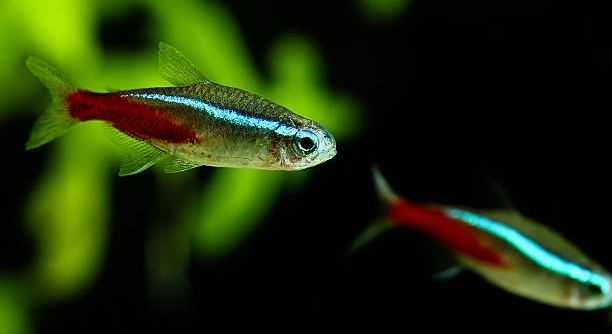
Tetra fish are popular choices for home aquariums because of their vibrant colors and peaceful nature. However, keeping them with the wrong tankmates can lead to stress and health problems. It is important to understand what causes these issues.
The main reasons tetra tankmates fail include incompatible behavior, differing water requirements, aggressive tendencies, competition for food, overcrowding, lack of hiding spaces, and stress from environmental changes. Each factor affects the overall harmony and health within the aquarium.
Knowing these causes will help improve your tank’s balance and keep your tetra fish thriving alongside other species. The right tankmate choices can make all the difference in a successful aquarium.
Incompatible Behavior
Tetras are generally peaceful fish that do best with tankmates who share a calm temperament. Aggressive or territorial fish can cause stress, leading to poor health or injury. For example, keeping tetras with large, aggressive cichlids often results in bullying or chasing. Even some semi-aggressive species may not get along well with tetras because their activity levels and social behaviors clash. Additionally, tetras tend to school and feel safer in groups, so tankmates that disrupt their schooling can create tension. When fish don’t behave compatibly, it disturbs the tank’s natural balance and makes it hard for tetras to thrive. Watching how fish interact early on can prevent future problems and keep the aquarium peaceful.
Incompatible behavior mainly causes stress and disrupts the social environment that tetras need.
Careful selection of species with similar temperaments and habits ensures harmony. A peaceful tank environment allows tetras to swim comfortably and reduces aggressive encounters.
Differing Water Requirements
Tetras prefer soft, slightly acidic water with stable temperatures, usually around 72–80°F. Tankmates requiring different pH levels or harder water can suffer or cause health issues when forced to share the same environment. For instance, fish from alkaline or cooler waters might struggle to adapt, which stresses both species. Constant changes to accommodate all fish often harm sensitive tetras. Water hardness, temperature, and pH must align closely for tankmates to coexist successfully. Regular water testing and adjustments help maintain balance, but choosing compatible species upfront is the best approach to avoid unnecessary stress and health problems.
Fish with different water needs may experience chronic stress, weakening their immune systems and shortening lifespans. It’s essential to research species requirements before mixing.
Matching water parameters helps maintain stable conditions, supports immune health, and promotes natural behavior. This care protects tetras and their tankmates alike.
Aggressive Tendencies
Aggressive fish disturb tetras’ peaceful nature. They may nip fins or chase smaller tankmates relentlessly, causing injury or stress.
Tetras are small and delicate, so aggressive species like some barbs or large cichlids often intimidate them. This results in constant hiding or exhaustion from fleeing. Stress weakens tetras’ immune systems, increasing disease risk. Aggression in the tank also disrupts feeding and schooling behaviors, harming the overall balance.
Keeping aggressive fish with tetras usually leads to an unhealthy environment. Avoid species known for territorial or bullying behavior. Selecting calm, compatible fish supports tetras’ well-being and helps maintain harmony in the aquarium.
Competition for Food
Tetras can be outcompeted for food by faster or more aggressive eaters, leading to poor nutrition and slower growth.
When tankmates dominate feeding, tetras might not get enough to eat. This is common with larger or more assertive fish who quickly consume flakes or pellets. Tetras need consistent access to food to maintain health and energy. If they are constantly pushed aside, their condition may deteriorate. It’s important to provide enough food for all fish and feed smaller tetras separately if necessary. Feeding strategies like target feeding or dividing the tank during meals can help ensure all species are nourished properly. Proper nutrition supports growth, color, and immune function, which are vital for tetras’ long-term health.
Overcrowding Issues
Overcrowding reduces water quality quickly and stresses all fish, including tetras.
Too many fish in one tank limits swimming space and increases waste, causing poor health.
Lack of Hiding Spaces
Tetras need places to hide and feel secure. Without enough plants or decorations, they become stressed and vulnerable.
A well-planted tank or added shelters provide refuge, reduce aggression, and encourage natural behaviors, supporting tetra well-being.
Stress from Environmental Changes
Sudden changes in temperature, pH, or water conditions can cause stress for tetras. They thrive best in stable, consistent environments.
Frequent disturbances or poor maintenance lead to weakened immune systems, making fish more prone to illness and reducing their lifespan. Maintaining stable conditions is essential for healthy tetras.
FAQ
What are the best tankmates for tetras?
Tetras do best with peaceful fish that share similar water requirements. Small, non-aggressive species like Corydoras catfish, small rasboras, and some peaceful dwarf gouramis usually make good tankmates. It’s important to avoid aggressive or large fish that might bully or outcompete tetras for food. Also, species that thrive in soft, slightly acidic water complement tetras well. Matching temperament and water needs helps maintain a calm and balanced aquarium where all fish can thrive.
How can I tell if my tankmates are stressing my tetras?
Signs of stress in tetras include faded colors, clamped fins, hiding more than usual, and reduced appetite. You might also notice erratic swimming or lethargy. If tankmates are aggressive or overly active, tetras may retreat to corners or plants to avoid contact. Watching fish behavior carefully during feeding and daily activity helps identify if the environment is too stressful. Early detection allows you to adjust tank conditions or reconsider tankmate choices before health declines.
Why do tetras nip each other or their tankmates?
Nipping can occur if tankmates have different temperaments or if the tank is overcrowded. Sometimes, stress, poor water quality, or lack of hiding spaces causes fish to become aggressive. Tetras typically school for safety, but if they feel threatened, they might nip. Other fish with sharp fins or aggressive tendencies may also nip at tetras. Ensuring enough space, compatible species, and hiding spots reduces nipping behavior and supports peaceful cohabitation.
How often should I test water parameters when keeping tetras?
Water should be tested weekly, at minimum, for pH, ammonia, nitrite, and nitrate levels. Tetras need stable conditions, so frequent testing helps catch issues early. Monitoring temperature regularly is also important, as fluctuations cause stress. If you notice any unusual fish behavior, test water immediately. Keeping a consistent schedule for water changes and testing prevents sudden changes that harm tetras and their tankmates.
Can I keep tetras with shrimp or snails?
Many tetras can live peacefully with shrimp and snails, but it depends on the tetra species and tank setup. Smaller tetras generally ignore shrimp and snails, but some larger or more aggressive tetras may nip at shrimp. Snails often help keep the tank clean and don’t bother tetras. Providing plenty of hiding places helps shrimp avoid unwanted attention and reduces stress for all inhabitants.
What should I do if my tetras are not schooling?
Tetras feel safest in groups of six or more. If they are not schooling, it could mean stress, illness, or tankmates disrupting their behavior. Make sure the tank has enough space and proper water conditions. Avoid aggressive fish that break up the group. Sometimes, adding more tetras encourages natural schooling, as they rely on numbers for comfort and protection.
How do I prevent my tank from becoming overcrowded?
Calculate the tank’s capacity based on fish size and swimming needs. A general rule is one inch of fish per gallon of water, but active species like tetras may need more space. Avoid adding too many fish too quickly. Plan tank population carefully and consider growth. Overcrowding leads to poor water quality, stress, and disease. Regular maintenance and monitoring help keep the tank balanced and healthy.
Is it necessary to quarantine new fish before adding them to a tetra tank?
Yes, quarantining new fish is highly recommended. It helps prevent introducing diseases or parasites to your established tank. A quarantine period of two to four weeks allows observation for illness and treatment if needed. This step protects tetras and other tankmates by reducing health risks and maintaining a stable environment.
How can I improve compatibility if my tetra tankmates are not getting along?
Start by rearranging tank decorations to break territorial boundaries and add more hiding spots. Consider adjusting feeding routines to reduce competition. If problems persist, separating aggressive or incompatible fish may be necessary. Sometimes, changing water parameters slightly to suit all species better helps. In extreme cases, rehoming certain fish ensures the well-being of tetras and the entire community.
What is the ideal tank size for a tetra community?
A minimum of 20 gallons is recommended for a small school of tetras. This provides enough swimming space and room for decorations and hiding places. Larger tanks make it easier to balance water quality and reduce aggression by offering more territory. The exact size depends on the number and species of fish. Providing adequate space is key to maintaining a healthy, stress-free environment for tetras and their tankmates.
Final Thoughts
Keeping tetras with the right tankmates is essential for their health and happiness. These small, peaceful fish rely on a calm and stable environment to thrive. When tankmates have different behaviors, water needs, or diets, problems can quickly arise. Aggression, stress, and competition for food are common issues that often lead to tankmate failure. Understanding what makes a good match helps avoid these challenges and supports a balanced aquarium where all fish can live well together. It is important to consider each species’ temperament and environmental needs before adding them to your tetra tank.
Maintaining good water quality and proper tank conditions also plays a major role in successful community tanks. Overcrowding and sudden changes in temperature or water chemistry can cause stress and illness for tetras and their tankmates. Providing enough space, hiding places, and stable water parameters helps reduce tension and encourages natural behaviors like schooling. Regular monitoring and tank maintenance are necessary to keep conditions ideal. When all factors align, tetras can coexist peacefully with other species, showing off their bright colors and lively personalities.
Choosing compatible tankmates takes thought and research, but it is rewarding. A well-planned community tank brings out the best in tetras, making them active and healthy. Avoiding common mistakes like mixing aggressive fish or ignoring water requirements prevents many problems. Paying attention to behavior, water testing, and feeding habits helps catch issues early. With patience and care, tetras and their tankmates can create a peaceful aquatic environment that is enjoyable to watch and easy to maintain over time.

Hello,
If you enjoy the content that we create, please consider saying a "Thank You!" by leaving a tip.
Every little bit helps us continue crafting quality advice that supports the health, happiness, and well-being of pets around the world, for pets of all shapes, sizes, and species.
We really appreciate the kindness and support that you show us!