
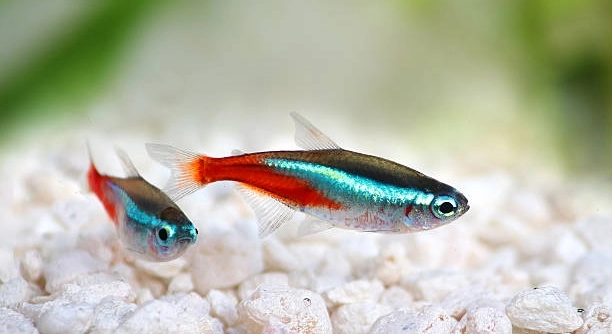
Are your tetra tanks developing bubble nests and you’re not sure why? Bubble nests are small clusters of bubbles created by some fish, often signaling interesting behavior. These formations can reveal quite a bit about your tank’s environment and your fish’s needs.
Bubble nests in tetra tanks are caused by factors such as breeding behavior, water quality, temperature, presence of surface agitation, stress levels, tank mates, and dietary influences. Each factor can independently or collectively stimulate bubble nest creation in tetra species.
Understanding the causes behind these bubble nests can help you maintain a healthy and balanced tank environment for your tetras. This article breaks down the seven main reasons behind these intriguing bubble formations.
Breeding Behavior
Tetras often build bubble nests as part of their natural breeding process. Male tetras create these nests to attract females and protect their eggs once laid. The bubbles act like a protective shield, keeping eggs close to the surface and safe from debris or predators. You might notice this behavior more in tanks where males and females are present together. Breeding behavior is usually triggered by changes in water conditions or seasonal cycles. If your tank is peaceful and healthy, seeing bubble nests can be a sign that your fish feel comfortable and ready to reproduce. It’s important to provide plenty of plants or floating materials where the fish can anchor their nests. Monitoring this activity helps you understand your fish’s health and reproductive status.
Bubble nests formed due to breeding are a positive sign and typically indicate healthy tank conditions.
To support breeding behavior, keep water clean and stable. Offer a varied diet to promote fish health, and avoid sudden changes in tank environment that might stress the fish and disrupt nest building.
Water Quality
Poor water quality can prompt tetras to create bubble nests as a stress response. High ammonia, nitrite, or nitrate levels, along with improper pH balance, make fish uncomfortable. This discomfort often leads males to build nests as a coping mechanism or an attempt to protect their territory. Even slight changes in water chemistry can influence this behavior. Keeping the water clean and balanced is key to preventing unnecessary stress in your fish. Regular water testing and partial water changes help maintain the right environment. It’s also essential to avoid overfeeding, which can lead to excess waste and deteriorate water quality quickly. A well-filtered tank with stable conditions reduces bubble nest formation caused by poor water quality.
Checking your water parameters regularly ensures a safe and stable home for your tetras.
Managing water quality well helps prevent stress behaviors, including bubble nesting, keeping your fish comfortable and healthy over time.
Temperature Fluctuations
Tetras are sensitive to changes in water temperature. Sudden shifts can trigger bubble nest building as a reaction to stress or an instinctive effort to protect their environment. Consistent temperature helps reduce this behavior.
Temperature swings disturb the natural balance in the tank, making tetras uncomfortable. They may respond by creating bubble nests to establish a sense of security. Keeping your tank heater stable and monitoring the temperature regularly minimizes stress. Ideal temperatures for most tetras range between 74°F and 80°F (23°C–27°C). Using a reliable thermometer and avoiding placing the tank near drafts or heating vents helps maintain steady conditions, preventing unnecessary bubble nest formation.
Maintaining a stable temperature supports the well-being of your tetras. Sudden or frequent fluctuations can weaken their immune system and increase stress levels, which leads to more bubble nest building. Consistent heating is key to a calm tank environment.
Presence of Surface Agitation
Surface agitation affects oxygen levels and the ability of tetras to build bubble nests. Calm water encourages nest formation, while strong currents disrupt it. Monitoring water movement helps control bubble nest activity.
Tetras prefer to build nests in areas with minimal surface disturbance. Bubble nests require a calm surface to stay intact. Filters or air pumps creating heavy surface agitation can prevent bubble nest formation by breaking bubbles apart. Adjusting the filter flow or placing decorations to reduce current near the surface can help. Some tank owners add floating plants to create still areas where nests can form. By managing surface agitation, you influence whether or not tetras attempt bubble nesting.
A balance between water oxygenation and calm surface conditions is essential. Ensuring proper flow while providing quiet zones supports natural behaviors without encouraging excess bubble nest building.
Stress Levels
Stress is a common reason tetras build bubble nests unexpectedly. Changes in environment or aggressive tank mates increase stress quickly.
High stress causes tetras to act defensively, which can trigger bubble nest building as a coping method. Reducing stress factors helps control this behavior.
Tank Mates
Certain tank mates can influence bubble nest formation in tetras. Aggressive or overly active fish often cause tetras to feel threatened.
Keeping compatible species together creates a peaceful environment. Avoid fish that nip fins or chase tetras, as stress from such interactions can lead to bubble nests.
Dietary Influences
A balanced diet supports healthy fish and influences bubble nest activity. Poor nutrition may increase stress and cause unusual behaviors, including excess nest building.
Feeding high-quality flakes, frozen or live foods like brine shrimp helps maintain vitality. Avoid overfeeding to prevent water quality issues, which also impact behavior.
Lighting Conditions
Lighting affects fish behavior and stress levels. Too bright or inconsistent lighting can upset tetras, sometimes causing bubble nests.
Providing a natural day-night cycle with moderate lighting helps reduce stress and maintain regular behavior patterns.
FAQ
Why do tetras build bubble nests even when there are no females in the tank?
Sometimes male tetras build bubble nests instinctively as a natural behavior, regardless of female presence. This can be triggered by environmental factors like water temperature, quality, or stress. Nest building does not always mean breeding will occur; it can simply be a sign that the male is ready to reproduce or feels territorial.
Is bubble nest building harmful to my tetras?
Bubble nest building itself is not harmful and is a normal part of tetra behavior. However, if it’s caused by stress from poor water conditions or aggressive tank mates, then the underlying issues need attention. Monitoring your tank’s health will help ensure bubble nests remain a harmless activity.
How can I stop my tetra from making bubble nests?
Controlling factors like water quality, temperature, and stress levels is the best way to reduce bubble nest building. Avoid sudden environmental changes, keep water clean, and provide a calm, stable environment. Removing aggressive tank mates and maintaining proper filtration also help.
Do all tetra species build bubble nests?
Not all tetras build bubble nests. Species like the male betta and some corydoras are more known for this behavior, while many tetras rarely do. It depends on the species’ natural habits and breeding strategies.
Can bubble nests indicate breeding readiness?
Yes, bubble nests often indicate that male tetras are ready to breed. They build nests to attract females and protect fertilized eggs. Observing this behavior alongside other signs, like chasing or courtship displays, can confirm breeding activity.
Does water temperature affect bubble nest formation?
Water temperature plays a crucial role. Slight increases within the ideal range often stimulate nest building. If the temperature fluctuates or is too low, tetras may stop or avoid building nests. Keeping a steady temperature around 75-80°F supports natural behavior.
What role does water surface agitation play in bubble nests?
Surface agitation can break bubbles apart, preventing nests from forming. Tetras prefer calm water surfaces to maintain their bubble nests. Adjusting filter flow or adding floating plants to reduce surface disturbance helps promote or control nest formation.
Is diet linked to bubble nest building?
A nutritious diet supports healthy behavior. Poor nutrition can stress fish, which might lead to more nest building as a coping mechanism. Feeding quality foods and avoiding overfeeding maintain overall health and reduce unwanted bubble nests.
Can aggressive tank mates cause bubble nests?
Yes, aggressive or territorial tank mates can stress tetras, triggering bubble nest building as a defensive or territorial behavior. Creating a peaceful community tank with compatible species reduces stress-induced nests.
How often should I test my water to prevent bubble nest problems?
Regular testing is important. Weekly checks of ammonia, nitrite, nitrate, and pH levels help maintain water quality. Stable, clean water reduces stress and the likelihood of unnecessary bubble nest building.
Are bubble nests more common in new tanks or established ones?
Bubble nests may be more common in new tanks due to fluctuating conditions and stress. As tanks mature and stabilize, the behavior can decrease. Consistent care supports a balanced environment and natural fish behavior.
Can lighting changes impact bubble nest formation?
Yes, sudden or intense lighting changes can stress fish and trigger bubble nest building. Maintaining a steady lighting schedule with moderate brightness mimics natural conditions and reduces stress-related behavior.
Bubble nests in tetra tanks are a natural behavior that can tell you a lot about your fish and their environment. These nests often show that your tetras are responding to changes in their surroundings or their own health. Whether it’s breeding behavior, water quality, temperature, or stress, bubble nests serve as a signal that something is influencing your fish. Observing this behavior closely helps you understand what your tank needs and how to keep it healthy.
Maintaining a stable tank environment is the best way to manage bubble nest formation. Regular water testing, consistent temperature control, and careful attention to tank mates all play important roles. Feeding your tetras a balanced diet and avoiding sudden changes will reduce stress and help your fish stay comfortable. It’s important to remember that while bubble nests can be a sign of breeding readiness, they can also indicate stress or discomfort. Addressing the root cause is key to supporting your tetras’ well-being.
Overall, bubble nests are part of your tetras’ natural behavior and can be managed with proper tank care. Watching your fish and responding to their needs creates a better home for them and a more enjoyable experience for you. Taking time to learn about the causes behind bubble nests allows you to make informed decisions and keep your tank environment balanced and healthy.

Hello,
If you enjoy the content that we create, please consider saying a "Thank You!" by leaving a tip.
Every little bit helps us continue crafting quality advice that supports the health, happiness, and well-being of pets around the world, for pets of all shapes, sizes, and species.
We really appreciate the kindness and support that you show us!