
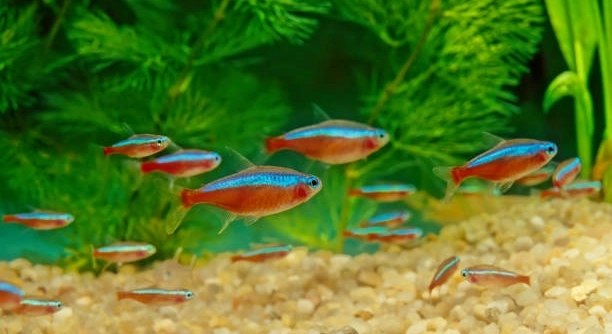
Are your tetras looking a little off lately, with faded colors or odd behavior that has you feeling concerned? Ich is a common threat in home aquariums, but it doesn’t have to take over.
The best way to prevent your tetra from getting Ich is by maintaining clean water conditions, quarantining new fish, and avoiding sudden temperature changes. These practices help reduce stress and exposure, which are key triggers for Ich outbreaks.
By understanding a few simple care habits, you can protect your tetras and keep their tank environment safe and stable.
Keep Their Water Clean and Stable
Clean water makes a big difference when it comes to fish health. Dirty tanks create stress and allow parasites like Ich to thrive. A good routine is to do partial water changes weekly—around 25 to 30 percent—using a water conditioner to remove chlorine and harmful chemicals. Check the water temperature daily, and try to keep it between 75°F and 80°F, which is ideal for tetras. Use a thermometer and adjust with a heater if needed. A strong filter also helps by removing waste and keeping the water oxygenated. Test your water for ammonia, nitrites, and nitrates regularly, and clean the gravel once a week to get rid of uneaten food. These small steps help prevent the conditions where Ich can grow.
Stress makes fish more likely to get sick. Keeping water clean and balanced helps reduce stress and supports their immune system.
A stable environment is the first step in preventing Ich. Good water quality means fewer harmful bacteria and a better chance your tetras will stay healthy. Taking the time to check on your tank daily can make a noticeable difference. Your fish rely on you to create a safe home, and simple care goes a long way.
Quarantine New Fish Before Adding
New fish can carry parasites even if they look healthy. Quarantining gives you time to observe them.
Set up a small quarantine tank with a filter and heater, and keep new fish there for at least two weeks before adding them to your main aquarium. During this time, watch for signs like white spots, rubbing against objects, or changes in behavior. Use a separate net and tools for the quarantine tank to avoid spreading anything. If symptoms of Ich appear, treat them right away with a medication approved for tropical fish. This extra step helps protect your current fish from being exposed to illnesses they haven’t encountered. Even when buying from trusted stores, it’s not worth the risk to skip this part. Quarantining also gives new fish time to adjust to water conditions slowly, making the transition smoother and safer for everyone in the tank.
Avoid Sudden Temperature Changes
Rapid shifts in water temperature can stress your tetras and weaken their immune system, making them more vulnerable to Ich. Use a reliable heater and thermometer to maintain steady water conditions, especially during seasonal changes or water changes.
When doing water changes, always match the temperature of the new water to the tank. Sudden drops or spikes—even just a few degrees—can cause shock and leave your fish more open to infection. Try using a bucket heater or letting the water sit to adjust naturally before adding it. Keep the tank away from windows, heaters, or air vents to avoid temperature swings throughout the day. Tetras do best in consistent conditions, so checking the temperature morning and night is a good habit. Small steps like these can keep stress low and reduce the chances of Ich taking hold.
Investing in a digital thermometer helps catch small changes early. Even a few degrees can make a difference in your fish’s comfort and health. Some heaters fluctuate or fail over time, so it’s worth checking their accuracy often. If your home’s temperature changes frequently, a heater with a built-in thermostat can help. Keeping things stable reduces risk and keeps your tetras more comfortable overall.
Don’t Overcrowd the Tank
Too many fish in one tank leads to higher waste levels and lower water quality, which can trigger stress and sickness. Tetras need space to swim, and overcrowding makes them more likely to get sick.
Stick to the general rule of one inch of fish per gallon of water. This helps maintain better oxygen levels and reduces the chance of ammonia buildup. Make sure your filter is strong enough to handle the number of fish in your tank. Overcrowding also increases aggression and makes it harder for fish to find a calm place to rest. It’s tempting to add more fish because they’re small and social, but a crowded tank quickly becomes unhealthy. If your tetras seem restless or are fighting for space, it’s a sign the tank may be too full. A well-spaced tank creates a peaceful environment and helps lower the chances of illness spreading.
Don’t Share Equipment Between Tanks
Using the same tools for different tanks can transfer parasites like Ich. Always use separate nets, siphons, and buckets for each aquarium. This simple habit helps stop the spread of unwanted organisms between tanks.
If separate tools aren’t possible, disinfect equipment after each use. A mild bleach solution works well.
Feed a Balanced Diet
Healthy tetras are less likely to get sick. A balanced diet supports their immune system and keeps stress levels low. Feed a mix of high-quality flakes or micro pellets along with occasional frozen or live foods like daphnia or brine shrimp. Overfeeding leads to dirty water, which can trigger stress and illness, so only offer what they can eat in a couple of minutes. Remove leftovers right away to keep the tank clean. Rotate their food to ensure they’re getting a range of nutrients, and avoid feeding the same thing every day. Good nutrition plays a big role in keeping your fish strong and Ich-free.
Clean Decorations and Plants
Dirty tank decor can hold harmful bacteria. Scrub decorations and artificial plants gently with warm water—never soap—and rinse well before placing them back.
FAQ
What is Ich and how do tetras get it?
Ich, also known as white spot disease, is a parasitic infection caused by Ichthyophthirius multifiliis. It shows up as tiny white spots on a fish’s body, fins, or gills. Tetras can get Ich when they’re stressed, exposed to poor water conditions, or come into contact with infected fish or equipment. The parasite thrives in unstable environments, especially when temperatures fluctuate or tanks are overcrowded. Ich spreads quickly in community tanks and can be deadly if not treated. Early treatment and good tank habits help keep your fish safe.
What are the early signs of Ich in tetras?
One of the first signs is tiny white dots that look like grains of salt, especially on the gills, fins, and body. Tetras may also act restless—rubbing against decorations or darting around the tank. Their color may fade, and they could breathe more heavily than usual. Some fish may stop eating or isolate themselves from the group. These signs often show up before the infection becomes serious, so it’s important to watch for them. If you notice any of these changes, it’s best to act fast and start treatment.
Can Ich go away on its own?
No, Ich does not go away without treatment. The parasite has a life cycle that includes stages where it hides under the fish’s skin, making it hard to treat. Without proper medication and improved tank conditions, it will continue to spread and get worse. Even if the white spots disappear for a while, the parasite can still be in the water or on other fish. Treating Ich early is the only way to fully get rid of it and prevent serious harm to your fish.
How long does it take to treat Ich?
Treatment usually takes about 1 to 2 weeks, depending on the product used and the severity of the outbreak. Most medications require daily doses and water changes to remove the parasite from the tank. Raising the water temperature slightly (to about 80°F–82°F) can speed up the parasite’s life cycle, making treatments more effective. However, the tank must be closely monitored to avoid stressing the fish further. Always follow the instructions on the medication carefully, and complete the full treatment—even if the fish look better before it’s done.
Is Ich contagious to other fish?
Yes, Ich spreads quickly to other fish in the same tank. Once one fish is infected, the entire tank is at risk. The parasite moves through the water and attaches to new hosts, especially if they’re stressed or have weak immune systems. This is why early action is important—not just for the infected fish but to protect all the others. Quarantine infected fish if possible, and treat the whole tank to remove any free-swimming parasites. Avoid adding new fish during treatment.
Can stress alone cause Ich?
Stress doesn’t directly cause Ich, but it makes fish more likely to get sick when exposed to the parasite. Common stressors include sudden temperature changes, overcrowding, poor water quality, or aggressive tank mates. When fish are stressed, their immune systems weaken, giving parasites like Ich an easier chance to take hold. That’s why it’s important to keep the tank environment stable and low-stress.
Do I need to remove the filter during Ich treatment?
Not usually. Most medications are safe with the filter running, but you may need to remove activated carbon if it’s in the filter, since it can absorb and reduce the medication’s strength. Check the instructions on the product you’re using. Keeping the filter running helps maintain water circulation and oxygen levels, which are both important during treatment. If your filter includes UV sterilizers or special chemical media, those may also need to be turned off.
How can I prevent Ich in the future?
The best way to prevent Ich is by keeping the tank clean, maintaining stable temperature, quarantining new fish, and avoiding overcrowding. Feed your tetras a balanced diet and monitor them daily for changes in behavior. Avoid sudden changes in water conditions, and always wash your hands and tools before using them in the tank. These simple habits can help reduce stress and lower the chance of Ich showing up again. Prevention takes less effort than treatment and keeps your fish healthier long-term.
Final Thoughts
Preventing Ich in tetras comes down to simple care and consistency. Clean water, stable temperature, and a calm tank environment all work together to keep your fish healthy. Tetras are small and sensitive, so even minor changes in their surroundings can affect them in big ways. Taking the time to test your water, perform regular maintenance, and watch your fish closely will make a real difference. Ich may be common, but it’s also very avoidable when you understand what causes it and take steps to prevent it. The key is to stay on top of basic care and not wait for signs of sickness before acting.
Even though it may feel overwhelming at times, creating a healthy tank isn’t complicated. It’s about building habits that help your fish stay strong. Things like quarantining new fish, feeding a balanced diet, and avoiding overcrowding don’t take much effort once you get used to them. These small actions help prevent stress, which is often what opens the door for diseases like Ich. Watching your tetras swim peacefully in a clean tank is a good sign that you’re on the right path. When your fish are calm, active, and showing bright colors, it usually means the tank is well balanced and safe.
You don’t need expensive tools or advanced knowledge to care for your tetras properly. A few basic items like a heater, filter, test kit, and thermometer are enough to help you maintain a healthy setup. Most importantly, be patient and observe your fish. The more familiar you are with their normal behavior, the easier it becomes to notice when something isn’t right. Prevention isn’t just about avoiding disease—it’s about making sure your fish feel safe and comfortable every day. With steady care and a little attention to detail, you can reduce the risk of Ich and enjoy a peaceful tank where your tetras can thrive.

Hello,
If you enjoy the content that we create, please consider saying a "Thank You!" by leaving a tip.
Every little bit helps us continue crafting quality advice that supports the health, happiness, and well-being of pets around the world, for pets of all shapes, sizes, and species.
We really appreciate the kindness and support that you show us!