
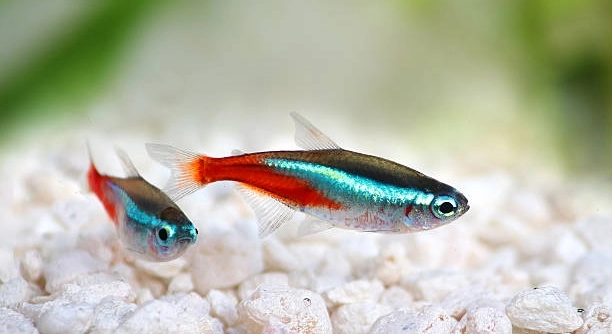
Tetras are popular aquarium fish known for their vibrant colors and peaceful nature. Keeping them healthy requires careful attention to their behavior and environment. Early signs of disease can be subtle but are important to notice promptly.
Spotting early disease in tetras involves observing changes in swimming patterns, appetite, coloration, and physical appearance. Common symptoms include lethargy, clamped fins, spots, or unusual growths. Recognizing these signs early helps prevent serious health issues and improves treatment success.
Knowing how to identify early symptoms can protect your tetras and maintain a thriving aquarium. These simple observations make a big difference in fish care and well-being.
Changes in Swimming Behavior
When a tetra is sick, its swimming behavior often changes first. You might notice your fish swimming erratically, darting quickly, or even floating near the surface or bottom of the tank. Some tetras may hang sideways or struggle to keep their balance. These behaviors usually signal discomfort or illness. Stress, poor water quality, or infections can cause these changes. Observing your fish during feeding times can help you spot irregular swimming early. If your tetra isolates itself or avoids other fish, it may be unwell. Early detection allows you to act before the disease worsens, which can improve recovery chances.
Erratic swimming and isolation are early signs that something might be wrong with your tetra.
Paying attention to how your tetra moves daily gives you a good chance to notice any abnormal behavior. Sudden changes should prompt you to test water quality and watch for other symptoms. Keeping a clean tank and stable environment is essential to avoid these issues. If abnormal swimming continues, consider consulting a specialist to diagnose and treat the problem quickly.
Loss of Appetite
A common early symptom of disease in tetras is loss of appetite. When a fish refuses to eat or shows little interest in food, it may be fighting an infection or dealing with stress. Loss of appetite weakens the fish, making recovery harder if untreated. Often, you might see your tetra hiding or resting more when it loses interest in food. It is important to offer a balanced diet and maintain good water conditions to prevent illness.
Loss of appetite is a clear sign to watch for and act on quickly.
If your tetra stops eating, start by checking water temperature and cleanliness. Poor water quality can cause stress and reduce appetite. Feeding small amounts of varied, high-quality food can help encourage eating. In some cases, loss of appetite may indicate parasites or bacterial infections that need medication. Observing your fish closely and responding fast increases the chances of restoring its health. Regular feeding routines and tank maintenance can prevent many common causes of appetite loss.
Color and Scale Changes
Color fading or unusual spots on your tetra’s body can be a sign of illness. Scales may appear raised or damaged, indicating infection or injury. These changes often happen before other symptoms become visible.
Fading colors often mean the fish is stressed or sick. Stressors like poor water conditions, overcrowding, or disease can cause this. Look closely for small white spots, red streaks, or patches of missing scales, which may indicate parasites or bacterial infections. Some diseases cause the scales to stand out, giving a rough texture to the fish’s body. Early detection of these changes helps prevent the disease from spreading or worsening.
Healthy tetras have vibrant colors and smooth scales. If you see dullness or damage, check water quality immediately. Regular tank cleaning and water tests reduce the risk of infections. Proper nutrition also keeps their colors bright. When spotting changes, isolate the affected fish if possible and monitor closely for other signs of illness. Treatment may be necessary depending on the cause.
Clamped Fins
Clamped fins occur when a tetra holds its fins close to its body rather than spreading them out normally. This can signal discomfort or illness.
Clamped fins often indicate stress from poor water quality, parasites, or bacterial infections. The fish may also appear less active or hide more than usual. Fins that remain clamped for long periods reduce the fish’s ability to swim and breathe efficiently. If this symptom appears alongside other signs like discoloration or loss of appetite, it points to a health problem. Immediate water testing and tank maintenance are critical steps.
To help your tetra, perform regular water changes and avoid overcrowding. If clamped fins persist, treating the tank with appropriate medications can prevent further damage. Keeping stress levels low through a stable environment supports recovery. It’s important to watch your fish daily to catch issues early and avoid serious illness.
Rapid Gill Movement
Rapid gill movement is a clear sign that your tetra is struggling to breathe. This symptom often appears when water oxygen levels are low or when the fish is infected by parasites or bacteria.
If you notice your tetra’s gills moving faster than usual, check water quality immediately. Poor oxygen levels, high ammonia, or nitrite can cause this problem. Infections can also damage gills, making breathing difficult. Acting fast helps reduce stress and prevent worsening health issues.
White Spots on Body
White spots on your tetra are often a sign of Ich, a common parasitic disease. These tiny spots look like grains of salt and can spread quickly if untreated.
Ich causes itching and discomfort, leading fish to scratch against surfaces. Early treatment with medicated baths or tank treatments can stop the parasite and protect other fish in your aquarium.
Lethargy and Hiding
Lethargy and hiding are common signs of stress or illness in tetras. When fish stop swimming actively and spend more time hiding, something may be wrong.
Frayed Fins
Frayed fins usually indicate fin rot or damage. This can result from poor water conditions or infections.
FAQ
How can I improve my tetra’s water quality?
Maintaining good water quality is key to preventing disease. Regularly test your tank’s ammonia, nitrite, nitrate, and pH levels. Perform partial water changes of 20-30% every week to keep water clean. Use a good filter and avoid overcrowding the tank. Remove uneaten food and debris promptly. Also, keep the water temperature stable around 74-80°F (23-27°C) to reduce stress.
What should I feed my tetra to keep it healthy?
A varied diet helps keep tetras strong and resistant to disease. Feed them high-quality flakes or pellets designed for tropical fish. Supplement their diet with frozen or live foods like brine shrimp, daphnia, or bloodworms occasionally. Avoid overfeeding; feed small amounts once or twice a day. Remove uneaten food to prevent water pollution.
How do I know if my tetra’s illness is serious?
Signs like rapid gill movement, clamped fins lasting several days, severe color fading, or white spots covering the body indicate a serious problem. If your fish shows multiple symptoms, such as loss of appetite combined with lethargy and abnormal swimming, the illness may be advanced. Immediate action, including water tests and medication, is necessary.
Can I treat my tetra’s disease at home?
Yes, many common diseases can be treated at home if caught early. Use aquarium salt or specific medications based on the diagnosis. Always follow dosing instructions carefully. Isolate sick fish in a quarantine tank if possible to avoid spreading illness. Keep the main tank clean and monitor all fish closely during treatment.
Why is my tetra hiding so much?
Hiding is a common stress response. Changes in water quality, new tankmates, or illness can cause tetras to hide more. Ensure the environment is calm with plenty of plants or decorations for cover. Regular tank maintenance and stable conditions help reduce stress and encourage normal activity.
How long does it take for a sick tetra to recover?
Recovery time varies depending on the illness and treatment. Mild infections might clear in a week with proper care, while more severe diseases can take several weeks. Consistency in treatment, good water quality, and proper nutrition speed up recovery. Patience and careful observation are essential.
Can poor water quality cause all these symptoms?
Poor water quality is often the root cause of many health issues in tetras. High ammonia or nitrite levels, unbalanced pH, and low oxygen stress fish and weaken their immune systems. This makes them more vulnerable to infections and abnormal behavior. Regular testing and maintenance are crucial to avoid these problems.
What are the best ways to prevent disease in tetras?
Prevention starts with maintaining clean, stable water and avoiding overcrowding. Provide a balanced diet and keep the tank environment consistent. Quarantine new fish for at least two weeks before adding them to your main tank. Regularly check for early signs of illness and act quickly if symptoms appear.
Is it normal for tetras to lose color sometimes?
Temporary color changes can occur due to stress, such as during transport or water changes. However, prolonged fading often signals illness or poor conditions. Healthy tetras usually regain their vibrant colors once stress is reduced and water quality improves.
What equipment is necessary to keep tetras healthy?
A reliable filter, heater, and water test kits are essential. The filter keeps water clean, the heater maintains proper temperature, and test kits monitor water parameters. Having these tools helps you catch problems early and keep your tetras healthy.
Final Thoughts
Keeping tetras healthy requires careful observation and regular care. Paying attention to small changes in their behavior, appearance, or appetite can help catch illness early. Many diseases show warning signs before they become serious, so knowing what to look for makes a big difference. Simple habits like checking water quality, feeding the right food, and keeping the tank clean help prevent most health problems. When you notice something unusual, taking quick action can protect your fish and stop the spread of disease in the tank.
It is important to maintain a stable environment for your tetras. Sudden changes in temperature, water chemistry, or tank setup can stress them, weakening their immune systems. Stress makes fish more prone to illness and can slow down recovery if they do get sick. Creating a calm and comfortable home with enough space and hiding places supports their well-being. Regular tank maintenance, including cleaning and water changes, keeps harmful substances low and helps your tetras thrive. Consistency is key, so try to establish a routine that you can stick with easily.
Even with the best care, some problems may still happen. When illness occurs, identifying symptoms early and responding quickly is the best way to improve outcomes. Treatments are more effective when diseases are caught in their early stages. Keeping a quarantine tank ready for new or sick fish also prevents infections from spreading to healthy ones. Being patient and observant throughout the healing process supports recovery. By staying informed and attentive, you can enjoy a beautiful and healthy group of tetras for a long time.

Hello,
If you enjoy the content that we create, please consider saying a "Thank You!" by leaving a tip.
Every little bit helps us continue crafting quality advice that supports the health, happiness, and well-being of pets around the world, for pets of all shapes, sizes, and species.
We really appreciate the kindness and support that you show us!