
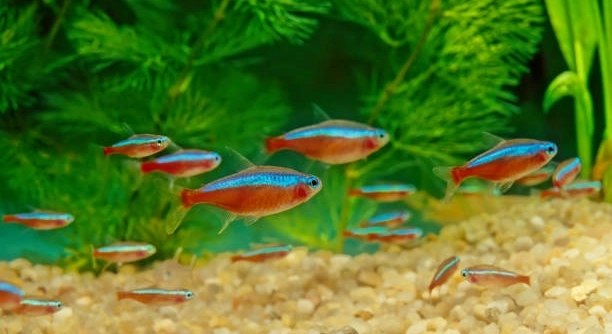
Are your tetras looking pale and acting sluggish in their tank? Many fish owners notice these changes and wonder what might be causing it. This article explains some common reasons behind these signs in your tetra fish.
Paleness and lethargy in tetras often result from stress, poor water quality, disease, or improper diet. Each factor can affect their health and behavior, leading to visible changes that signal a problem needing prompt attention and care.
Identifying the causes helps ensure your tetras stay healthy and lively in their environment. Understanding these issues can improve their well-being and tank conditions.
Poor Water Quality
Poor water quality is one of the main reasons your tetras may appear pale and lethargic. When the water in the tank is dirty or contains high levels of harmful substances like ammonia, nitrites, or nitrates, it stresses the fish and affects their health. Tetras are sensitive to changes in water chemistry, and even small fluctuations can cause them discomfort. Inadequate filtration or infrequent water changes often lead to this problem. Testing the water regularly for pH, ammonia, nitrites, and nitrates helps you maintain a healthy environment. Clean water supports your tetras’ natural colors and energy levels. Always perform partial water changes weekly and avoid overcrowding the tank. Keeping a balanced and clean habitat ensures your tetras thrive and stay active.
Consistent water quality monitoring is vital for your tetras’ well-being. A stable tank environment reduces stress and keeps their colors vibrant.
Maintaining water quality requires more than occasional changes. It’s important to use a reliable test kit to check for harmful chemicals regularly. Ammonia and nitrites should always be at zero, while nitrates must stay below 20 ppm. Adjust the pH according to your tetra species’ needs, usually between 6.0 and 7.5. Overfeeding contributes to water pollution, so feed only what they can consume quickly. Using an efficient filter helps remove waste and toxins. By keeping the water clean and balanced, your tetras can recover from stress and regain their bright colors and energy.
Stress from Tank Conditions
Stress from tank conditions can quickly make tetras pale and inactive. Factors like overcrowding, sudden changes in temperature, or lack of hiding places make fish uneasy. Tetras feel safer when their environment mimics natural habitats, with plants and decorations.
Improving tank conditions helps reduce stress levels significantly. A calm environment promotes healthy behavior and vibrant colors.
To lower stress, avoid overcrowding by limiting the number of fish in the tank. Provide plenty of plants or decorations where tetras can hide and feel secure. Maintain a stable temperature suitable for your tetra species, generally between 72°F and 80°F. Sudden changes in temperature or lighting can disrupt their comfort and cause lethargy. Handling or moving the fish too often also increases stress. By creating a peaceful, stable tank setup, your tetras will feel more at ease, which improves their health and keeps their colors strong.
Inadequate Diet
Tetras need a balanced diet to stay healthy and colorful. Poor nutrition can cause paleness and low energy levels. Feeding only one type of food or low-quality flakes can lead to deficiencies.
A varied diet with high-quality flakes, frozen, or live foods provides essential nutrients. Tetras enjoy small insects, brine shrimp, and bloodworms. These foods support their immune system and vibrant colors. Avoid overfeeding, as uneaten food pollutes the water, adding stress to the fish.
Supplementing their diet occasionally with vegetable matter like spirulina flakes can also help. A well-rounded diet boosts your tetras’ overall health and energy. When their nutrition is right, they look brighter and swim actively.
Illness and Disease
Fish diseases often cause pale coloration and lethargy in tetras. Common infections include bacterial, fungal, and parasitic diseases that affect their skin and internal health. Sick fish may isolate themselves or lose appetite.
Diagnosing the disease early is important for treatment success. Quarantining affected fish prevents spreading the illness to others. Treatment depends on the disease type but often involves medication added to the tank or bath treatments. Keeping the tank clean and maintaining good water quality supports recovery. Observing your tetras regularly helps catch illness signs early, improving their chances of getting well.
Temperature Fluctuations
Sudden changes in temperature can stress tetras and cause them to become pale and inactive. Maintaining a stable temperature within their preferred range is essential for their health.
Temperature swings weaken their immune system, making them more vulnerable to disease. Consistent warmth helps keep their metabolism steady and behavior normal.
Poor Oxygen Levels
Low oxygen levels in the tank affect tetras’ energy and color. Overcrowding, poor water circulation, and high temperatures reduce oxygen availability. Using an air pump or improving filtration can increase oxygen and improve fish vitality.
Old Age
As tetras grow older, their colors may fade naturally. Older fish also tend to be less active, which is normal and not always a sign of illness.
Tank Size and Space
A small or crowded tank limits movement and causes stress, leading to paleness and lethargy. Providing enough space allows tetras to swim freely and stay healthy.
FAQ
Why are my tetras turning pale suddenly?
Sudden paleness usually means stress or poor water conditions. Changes in water temperature, pH, or ammonia spikes can shock your fish. Check your water quality immediately, and make sure the tank environment is stable. Stress from overcrowding or aggressive tank mates can also cause this quick change in color.
How often should I change my tetra tank water?
It’s best to change about 20-25% of the water every week. Regular water changes keep toxins low and maintain a healthy environment. Avoid changing all the water at once, as it can upset the fish by causing rapid changes in water chemistry.
What foods are best for tetras to keep their colors bright?
A varied diet is key. Use high-quality flakes or pellets designed for tetras, combined with live or frozen foods like brine shrimp and bloodworms. Including some vegetable matter like spirulina flakes can also help maintain their color and health.
Can stress cause tetras to become lethargic?
Yes, stress from overcrowding, poor water quality, or lack of hiding spaces makes tetras inactive. Stress weakens their immune system, making them more prone to illness and color loss. Creating a calm, stable environment helps reduce stress and keeps your fish active.
How do I know if my tetras are sick?
Look for changes in behavior like hiding, loss of appetite, or gasping at the surface. Physical signs include faded color, spots, frayed fins, or unusual swimming. Early detection and treatment are important to prevent spreading illness in your tank.
Is tank size important for tetra health?
Absolutely. Small tanks limit swimming space and increase stress. Tetras are schooling fish and need enough room to swim comfortably, usually a minimum of 10 gallons for a small group. More space means healthier, more active fish.
Can temperature changes make my tetras sick?
Yes, sudden or frequent temperature changes shock their system. Keeping the tank temperature steady between 72°F and 80°F is ideal for most tetras. Use a heater with a thermostat to avoid fluctuations that harm their health.
Why do my tetras stay at the bottom of the tank and look pale?
This behavior often signals illness or poor water conditions. Fish tend to hide or rest near the bottom when they feel weak or stressed. Check your tank’s water parameters and observe for any signs of disease to act quickly.
What role does oxygen play in my tetra’s health?
Tetras need good oxygen levels to stay active and colorful. Poor water circulation or high temperatures reduce oxygen, making fish lethargic. Using an air pump or increasing surface agitation helps keep oxygen levels healthy.
Can old age cause tetras to lose color and energy?
Yes, as tetras age, their colors may fade, and they become less active naturally. While it’s part of aging, always check for other signs of illness to ensure their fading isn’t caused by health problems.
How do I reduce stress in my tetra tank?
Limit overcrowding, provide plants or decorations for hiding, and keep water conditions stable. Avoid sudden changes in lighting or temperature, and handle fish gently. A peaceful environment encourages vibrant colors and active swimming.
Are there any signs that indicate poor water quality quickly?
Cloudy water, unpleasant smells, algae overgrowth, and your fish behaving oddly like gasping or hiding are good indicators. Regular testing of ammonia, nitrite, nitrate, and pH levels helps spot problems before they harm your fish.
Maintaining healthy and vibrant tetras requires attention to several important factors. Poor water quality, stress from the tank environment, and improper diet are common reasons why tetras may become pale and lethargic. These fish are sensitive to changes in their surroundings, so keeping their tank clean and stable is essential. Regular water testing and partial water changes help maintain a safe environment. Providing the right temperature and oxygen levels also supports their overall well-being. By addressing these basics, it is easier to prevent many health problems before they start.
Illness and disease can also cause your tetras to lose color and become inactive. When fish show signs of sickness, it is important to act quickly. Early diagnosis and treatment improve the chances of recovery. Quarantining affected fish and maintaining good tank hygiene are important steps to stop the spread of disease. Along with medical treatment, reducing stress by offering hiding spaces and proper tank size helps fish heal faster. Observing your tetras daily for any changes in behavior or appearance can help catch problems early.
Keeping tetras healthy involves consistent care and attention to their needs. A balanced diet with a variety of foods supports their color and energy. Avoiding overcrowding and sudden changes in their environment reduces stress. While tetras may naturally lose some color as they age, most changes in paleness or lethargy are signs that something in their care routine needs adjustment. Following the guidelines for water quality, tank conditions, diet, and health checks will help ensure your tetras stay lively and colorful for a long time.

Hello,
If you enjoy the content that we create, please consider saying a "Thank You!" by leaving a tip.
Every little bit helps us continue crafting quality advice that supports the health, happiness, and well-being of pets around the world, for pets of all shapes, sizes, and species.
We really appreciate the kindness and support that you show us!