
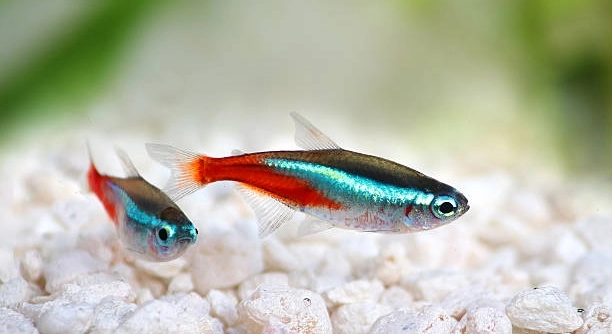
Introducing new tetra fish to an aquarium can feel overwhelming, especially when trying to avoid stress for both the fish and the owner. Proper preparation and care are key to helping these delicate fish adapt smoothly to their new environment. Managing stress during this process is important for their health.
The best way to introduce new tetra fish without stress involves a careful, step-by-step approach. This includes acclimating them slowly to the tank water, monitoring water parameters, minimizing sudden changes, and providing a calm, stable environment during the transition period.
Following these simple steps will help your new tetra settle in peacefully and thrive. This guide will walk you through each step to ensure a smooth introduction for your fish.
Prepare the Tank Before Arrival
It is important to have the aquarium fully set up and stable before introducing new tetra fish. Make sure the water temperature matches the tetra’s natural preferences, usually between 72 and 78°F (22–26°C). Test the water for ammonia, nitrite, and nitrate levels to confirm they are safe. The tank should be cycled properly to avoid any sudden changes that could stress the fish. Adding plants or hiding spots will help the tetra feel secure. Avoid introducing any chemicals or cleaning the tank right before the new fish arrive, as this could alter the water conditions. Setting the tank up well in advance creates a healthy environment, reducing stress during the transition.
Preparing the tank beforehand is essential to support the tetra’s health and reduce the risk of shock.
Keeping the tank stable gives the fish a chance to adjust without facing sudden environmental changes. This preparation makes the entire process smoother and helps prevent common health issues related to stress.
Acclimate Slowly and Carefully
Introduce the tetra to your tank gradually by floating their sealed bag in the aquarium for about 20 to 30 minutes. This allows the temperature inside the bag to slowly match the tank water. After this, open the bag and add small amounts of tank water into the bag every 10 minutes. This process helps the fish get used to the new water chemistry. Avoid pouring the bag water directly into the tank to prevent introducing contaminants. Slow acclimation reduces the chance of shock and helps the tetra feel more comfortable in their new home.
A gradual introduction to the tank water is necessary to minimize stress and avoid sudden changes in environment.
This step is crucial because fish can react negatively to abrupt differences in water temperature and chemistry. Taking time to acclimate allows their bodies to adjust gradually. This reduces the risk of stress-related illnesses, which are common when new fish are added too quickly. The process also gives you a moment to observe the new fish for any signs of illness before fully releasing them. Patience during acclimation shows respect for the well-being of the tetra and supports their successful adaptation to the aquarium.
Monitor Behavior Closely
Watch your new tetra carefully after introducing it to the tank. Early signs of stress include hiding, gasping at the surface, or refusing to eat. Identifying these signs quickly helps you take action before issues worsen.
Stress can weaken a fish’s immune system, making it prone to diseases. It is common for new tetras to hide initially as they adjust to their environment. Offer food sparingly and observe if the fish starts eating within a day or two. Keep lighting low and avoid sudden movements near the tank to reduce anxiety. If the fish appears lethargic or shows physical signs like clamped fins or spots, consider isolating it to prevent spreading illness.
Keeping a close eye on behavior allows for early intervention, increasing the chances of a healthy adjustment. Consistent monitoring ensures the tank conditions remain stable and supports the wellbeing of all fish.
Maintain Consistent Water Quality
Stable water quality is essential for the health of your tetra. Test water parameters regularly, focusing on temperature, pH, ammonia, nitrites, and nitrates. Sudden fluctuations can cause stress or illness.
Use a reliable water testing kit to check conditions at least twice a week during the introduction phase. Change about 10-20% of the water weekly to keep toxins low but avoid over-cleaning, which can disturb beneficial bacteria. Keep the filter running continuously and clean it only when necessary, using tank water to preserve helpful microbes. Maintaining consistent water quality prevents common problems and supports long-term health.
By keeping the water stable and clean, you create an environment where new tetra can thrive and avoid unnecessary stress or disease. Proper care during this critical time is key to their successful introduction.
Provide Proper Nutrition
Feed your new tetra a balanced diet suited to their species. Avoid overfeeding during the adjustment period to prevent water quality issues.
Small, frequent meals of high-quality flakes or pellets are ideal. Adding occasional live or frozen foods can support their health and encourage eating.
Avoid Overcrowding the Tank
Ensure the tank is not overcrowded when adding new tetras. Too many fish in a small space increases stress and competition for resources. A balanced number of fish allows each one to have enough space and reduces aggressive behavior.
Use Gentle Lighting
Keep the aquarium lighting soft and gentle during the first few days after introducing new tetras. Bright or flashing lights can cause stress and make the fish hide more. Using dim lighting creates a calmer environment, helping the fish settle comfortably in their new home.
FAQ
How long should I acclimate new tetra fish?
Acclimating new tetra fish should take at least 1 to 2 hours. Begin by floating the sealed bag in the tank for 20 to 30 minutes to equalize temperature. Then, gradually add small amounts of tank water to the bag every 10 to 15 minutes. This slow process helps the fish adjust to water chemistry differences, reducing stress and the risk of shock.
Can I introduce multiple tetra fish at the same time?
Yes, you can introduce multiple tetras at once, but it is important not to overcrowd the tank. Ensure the aquarium size is suitable for the number of fish and that water parameters are stable. Acclimate each bag or group of fish separately before releasing them. Introducing too many fish too quickly can cause stress and increase the chance of illness.
What signs show that my new tetra is stressed?
Signs of stress in new tetras include hiding for long periods, gasping near the water surface, clamped fins, loss of appetite, and unusual swimming patterns. Stress weakens their immune system, so quick action is needed to improve water conditions or isolate sick fish. Observing behavior closely helps detect problems early.
Is it necessary to quarantine new tetras before adding them to the main tank?
Quarantining new tetras is highly recommended to prevent introducing diseases to your established aquarium. A quarantine period of 2 to 4 weeks allows you to monitor the fish for signs of illness and treat any issues separately. This practice protects your existing fish and promotes a healthy environment.
What is the best temperature for keeping tetra fish?
Most tetra species thrive in water temperatures between 72 and 78°F (22–26°C). Maintaining a stable temperature within this range is important to reduce stress and support normal behavior. Sudden temperature changes can harm the fish and make them vulnerable to disease.
How often should I feed new tetra fish during acclimation?
Feed new tetras small amounts once or twice daily during acclimation. Avoid overfeeding, as uneaten food can pollute the water and stress the fish. Offering high-quality flake or pellet food is sufficient. Live or frozen foods can be added occasionally to encourage appetite and provide nutrition.
What water parameters are most important for tetras?
Key water parameters for tetras include pH, ammonia, nitrite, nitrate, and temperature. Most tetras prefer a pH between 6.0 and 7.5. Ammonia and nitrite levels should be at zero, while nitrates should remain below 20 ppm. Regular testing ensures these levels stay safe for the fish.
How can I reduce aggression when introducing new tetras?
To reduce aggression, introduce new tetras in groups rather than individually, as tetras feel safer in schools. Provide plenty of hiding places with plants and decorations. Maintain a suitable tank size to prevent overcrowding. Observing the fish closely helps catch any aggressive behavior early.
When should I perform water changes after introducing new tetras?
Perform partial water changes (about 10-20%) weekly after introducing new tetras to maintain water quality. Avoid large or sudden water changes, which can cause stress. Use dechlorinated water that matches tank temperature and parameters to keep the environment stable.
What should I do if a new tetra shows signs of illness?
If a new tetra shows signs of illness such as white spots, redness, or unusual behavior, isolate it immediately in a quarantine tank. Treat the fish with appropriate medication based on the symptoms. Maintaining good water quality and a stress-free environment supports recovery.
Final Thoughts
Introducing new tetra fish to an aquarium requires patience and careful attention. Following the right steps can greatly reduce stress for the fish and increase their chances of settling in comfortably. Preparing the tank properly, acclimating the fish slowly, and monitoring their behavior closely are important parts of the process. Each step helps create a stable environment that supports the health and well-being of the new tetras.
It is also essential to maintain consistent water quality and provide a balanced diet to keep the fish healthy during their adjustment. Avoid overcrowding the tank, as too many fish in a small space can increase stress and lead to aggression or illness. Keeping the lighting gentle and providing hiding places allows the fish to feel safe and reduces anxiety. Paying attention to these details shows respect for the needs of your fish and helps prevent common problems.
Taking the time to introduce new tetras carefully will improve their chance to thrive in your aquarium. While the process may seem detailed, each step is straightforward and manageable. The reward is a lively, healthy group of tetra fish that add beauty and life to your tank. Caring for them with a steady routine and good practices supports their long-term happiness and helps you enjoy your aquarium more fully.

Hello,
If you enjoy the content that we create, please consider saying a "Thank You!" by leaving a tip.
Every little bit helps us continue crafting quality advice that supports the health, happiness, and well-being of pets around the world, for pets of all shapes, sizes, and species.
We really appreciate the kindness and support that you show us!