
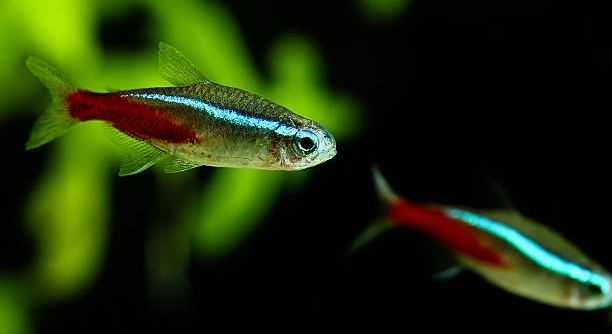
Tetras are lively fish that need proper care to stay happy in their tanks. Many fish owners look for ways to keep their tetras active and engaged without causing stress or harm. This article shares simple ideas to enhance their environment.
Keeping tetras entertained involves providing varied stimuli such as plants, hiding spots, and safe tank mates. Regular changes to their surroundings and interactive feeding techniques help maintain their natural behaviors and overall well-being.
Exploring these seven methods will help you create a more stimulating and enjoyable habitat for your tetras.
Add Plants and Decorations
Adding live or artificial plants creates a natural environment for your tetras. They enjoy swimming through leaves and hiding among decorations, which reduces stress and stimulates their natural instincts. Smooth rocks and small caves provide safe spots for rest and exploration. Be sure to avoid sharp edges that could harm their delicate fins. Changing the arrangement occasionally keeps their environment fresh and engaging, encouraging activity. Tetras like variety, so mixing textures and colors can make their tank more interesting. Adding floating plants also offers shade and a sense of security. A well-decorated tank mimics their natural habitat, helping them feel safe and entertained every day.
Decorations are essential for creating a stimulating space for tetras.
Using plants and decorations helps simulate a natural habitat and gives your tetras places to explore and hide. This setup promotes healthy behaviors, reduces boredom, and improves their overall happiness. Make sure the items are safe and appropriate for the tank size.
Use Interactive Feeding Techniques
Interactive feeding makes mealtime more engaging for your tetras. Instead of just dropping flakes or pellets into the water, try feeding with a small feeding ring or target feeder. This keeps the food in one area and encourages your fish to swim actively to get it. You can also scatter food gently on the surface to mimic natural foraging behaviors. Feeding live or frozen foods like brine shrimp or daphnia adds variety and encourages hunting instincts. Be careful not to overfeed, as leftover food can pollute the tank. Feeding time is an excellent chance to interact with your tetras without stressing them and to keep their minds and bodies active.
These feeding methods help stimulate natural behaviors and maintain your tetras’ interest during mealtime.
Tetras benefit from feeding strategies that mimic their natural environment. Using tools like feeding rings encourages activity and prevents food from spreading too widely. Including live or frozen foods adds nutritional value and keeps their diet varied. Feeding this way supports their mental and physical health, making their tank life more dynamic and enjoyable. Keeping their diet balanced and engaging prevents boredom and promotes better overall well-being.
Provide Safe Tank Mates
Tetras enjoy company but need peaceful, compatible tank mates. Avoid aggressive or large fish that could stress or harm them. Good choices include small rasboras, guppies, or Corydoras catfish. Introducing these fish carefully helps maintain a calm environment where tetras can socialize without fear.
Adding peaceful companions encourages natural schooling behavior and keeps your tetras active. It’s important to monitor how all fish interact to prevent stress. Keep the tank size adequate to avoid overcrowding, which can cause territorial disputes. Gradual introductions reduce aggression, ensuring the tank remains a safe space for everyone. When done properly, safe tank mates add variety and interest for your tetras.
Tank mates provide social interaction and enrich the tank environment. This prevents boredom and helps your tetras thrive emotionally and physically.
Change the Tank Layout Regularly
Regularly rearranging tank decorations prevents tetras from becoming bored. Moving plants, rocks, or caves creates a new environment for them to explore, which keeps their curiosity alive. Small changes every few weeks are enough to refresh their surroundings without causing stress.
Changing the layout stimulates natural behaviors like exploring and hiding, which is beneficial for mental health. Be gentle when rearranging to avoid disturbing plants or the tank’s balance. Keep some familiar spots so your tetras still feel secure. This balance between novelty and stability supports their well-being and helps maintain an active and happy aquarium environment.
Use a Mirror Occasionally
Using a small mirror can briefly stimulate your tetras by reflecting their image. This triggers natural territorial or social behaviors. Limit mirror time to a few minutes to avoid causing stress or aggression among the fish.
Mirrors provide mental exercise and help break up routine. Use them carefully to keep your tetras entertained without overwhelming them.
Maintain Proper Lighting
Proper lighting supports your tetras’ natural rhythms and highlights their colors. Use a timer to create a consistent day-night cycle, which helps regulate activity and rest periods. Avoid overly bright lights that can cause stress or hide spots.
Balanced lighting enhances both fish health and tank aesthetics, making your aquarium a more pleasant space for tetras and for viewing.
Offer Variety in Food
Offering different types of food keeps your tetras interested and nourished. Mix flakes, pellets, frozen, and live foods to provide a balanced diet. This variety stimulates their natural feeding behaviors and supports overall health.
Varied food helps prevent boredom and ensures your tetras get a broad range of nutrients necessary for their vitality.
FAQ
How often should I change my tetra tank layout?
Changing your tank layout every few weeks is ideal. This timing gives your tetras enough time to settle in before introducing new stimuli. Small adjustments, like moving plants or decorations, are best. Sudden or frequent changes might stress your fish, so keep changes gentle and gradual.
Can I keep different species of tetras together?
Yes, many tetra species get along well. However, it’s important to research each species’ temperament and water requirements. Keeping similar-sized and peaceful tetras together reduces conflicts. Mixing species with very different needs or aggressive behavior is not recommended to avoid stress and injury.
What are safe tank mates for tetras?
Safe tank mates include small, peaceful fish like rasboras, guppies, and Corydoras catfish. These species share similar water preferences and won’t threaten your tetras. Avoid large or aggressive fish that might bully or eat your tetras.
How long should feeding sessions last?
Feeding sessions should be short, typically just a few minutes. Offer only what your tetras can eat in that time to prevent leftover food from polluting the tank. Feeding too much can harm water quality and fish health.
Is it okay to use a mirror for my tetras?
Using a mirror briefly can stimulate natural behaviors by reflecting their image. However, limit mirror use to a few minutes per day to avoid causing stress or aggression. Always observe your tetras’ reactions and stop if they show signs of distress.
What type of food is best for tetras?
A varied diet is best. Offer high-quality flakes or pellets supplemented with live or frozen foods like brine shrimp or daphnia. This variety supports their nutritional needs and encourages natural foraging behaviors.
How important is lighting in a tetra tank?
Lighting is very important. A consistent day-night cycle helps regulate your tetras’ activity and rest. Use a timer to maintain this cycle, and avoid overly bright lights that might stress the fish or hide their hiding spots.
Can tetras recognize their owners?
Tetras can learn to recognize movement and presence, especially during feeding times. They may swim towards you when you approach the tank, showing familiarity. This recognition is a form of conditioned response rather than true social bonding.
How do I know if my tetras are stressed?
Signs of stress include hiding excessively, loss of color, erratic swimming, or refusal to eat. Stress can result from poor water quality, overcrowding, or aggressive tank mates. Address these issues promptly to improve their environment.
Is it necessary to provide hiding places in the tank?
Yes, hiding places are essential. They provide security and reduce stress by giving your tetras spots to retreat when feeling threatened. Plants, caves, and decorations create these safe areas and promote natural behavior.
How often should I clean the tetra tank?
Partial water changes of about 20-25% weekly help maintain water quality. Avoid full cleanings, which can disrupt beneficial bacteria. Regularly clean decorations and check the filter to keep the environment healthy for your tetras.
Can I keep tetras in a small tank?
Tetras do best in tanks of at least 10 gallons, which provide enough swimming space and stable water conditions. Smaller tanks can cause stress due to limited space and rapid water quality changes.
What temperature is best for tetras?
Most tetras thrive between 72-78°F (22-26°C). Keeping a stable temperature within this range supports their metabolism and immune system. Sudden temperature changes should be avoided to prevent stress.
How many tetras should I keep together?
Tetras are schooling fish and feel safest in groups of six or more. Keeping them in small groups reduces stress and encourages natural behaviors like schooling and social interaction. Avoid keeping just one or two tetras alone.
What should I do if my tetras get sick?
Isolate sick fish in a quarantine tank to prevent spreading disease. Test water parameters and improve water quality. Consult a vet or experienced aquarist for diagnosis and treatment advice. Early intervention helps recovery.
Is it necessary to cycle the tank before adding tetras?
Yes, cycling the tank establishes beneficial bacteria that break down harmful waste. This process can take several weeks but is crucial for creating a safe environment. Adding fish too soon can expose them to toxic ammonia and nitrites.
How do I introduce new fish to my tetra tank?
Introduce new fish slowly by floating the bag in the tank to equalize temperature. Gradually add tank water to the bag over 30-60 minutes before releasing the fish. This reduces shock and helps new fish adjust safely.
Can tetras live with shrimp or snails?
Yes, peaceful shrimp and snails can coexist with tetras. They help clean the tank and generally don’t bother the fish. Avoid large or aggressive snail species, and ensure shrimp have hiding places to stay safe.
Why do my tetras hide all the time?
Excessive hiding may indicate stress or poor water conditions. Check water parameters, tank mates, and lighting. Provide enough hiding spots but ensure the tank isn’t overcrowded. Improving these factors usually encourages tetras to be more active.
How often should I test my tank water?
Testing water weekly helps catch issues early. Check parameters like ammonia, nitrites, nitrates, pH, and temperature. Consistent testing maintains a healthy environment and prevents problems before they affect your tetras.
What can I do to prevent algae buildup?
Control algae by limiting light exposure, avoiding overfeeding, and keeping the tank clean. Adding algae-eating species like certain snails or shrimp can help. Regular water changes and cleaning decorations also reduce algae growth.
This FAQ covers key questions about keeping tetras healthy and entertained. Proper care and attention make a big difference in their well-being and enjoyment in the tank.
Keeping tetras entertained and comfortable in their tank is essential for their health and happiness. These small fish thrive in environments that offer variety and stimulation. By providing plants, decorations, and safe tank mates, you create a space that encourages natural behaviors like swimming, exploring, and socializing. Regularly changing the tank layout and using interactive feeding techniques also help keep your tetras active and engaged. These simple steps reduce boredom and stress, promoting longer and healthier lives for your fish.
Consistent care is another important factor. Proper lighting, clean water, and a balanced diet support your tetras’ physical well-being and mental alertness. Using a timer for lighting creates a natural rhythm, helping your fish rest and stay active at appropriate times. Feeding a variety of foods, including flakes, pellets, and occasional live or frozen treats, ensures they receive all necessary nutrients. Regular water changes and monitoring water quality prevent illness and keep the tank environment stable, which is vital for maintaining happy tetras.
It’s also helpful to pay attention to how your fish behave. Signs of stress or illness, such as hiding too much or changes in color, indicate that something may need adjusting. Introducing safe tank mates carefully and avoiding overcrowding makes the tank a peaceful place where tetras can thrive. Small touches like using a mirror briefly or adding floating plants can add interest without overwhelming them. Overall, creating a balanced and stimulating environment will make your tetras more lively and healthy, allowing you to enjoy their natural beauty and behavior for years to come.

Hello,
If you enjoy the content that we create, please consider saying a "Thank You!" by leaving a tip.
Every little bit helps us continue crafting quality advice that supports the health, happiness, and well-being of pets around the world, for pets of all shapes, sizes, and species.
We really appreciate the kindness and support that you show us!