
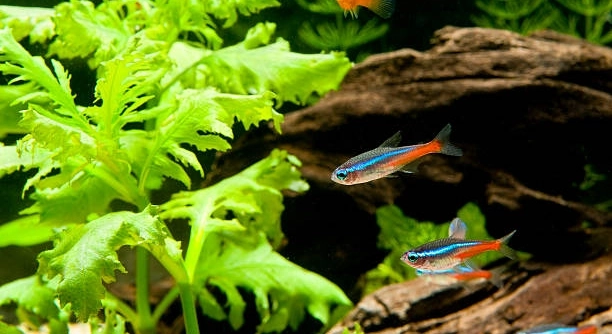
Keeping a tetra fish healthy without medication requires attention to its environment and daily care. Small changes in tank conditions and feeding habits can make a big difference. This article explores practical ways to support your tetra’s well-being naturally.
Maintaining clean water, providing a balanced diet, and ensuring proper tank temperature are essential for keeping tetras healthy without medicine. Regular monitoring of water quality and stress reduction also play key roles in preventing disease and promoting longevity.
These steps help create a stable habitat that supports your tetra’s natural resilience. Understanding how to maintain this balance encourages healthier fish and a more enjoyable aquarium experience.
Keep the Water Clean and Stable
Tetras thrive in clean, stable water conditions. Regular water changes help remove waste and toxins that can build up over time. Aim to change about 25% of the tank water every week. Use a water conditioner to remove harmful chemicals like chlorine before adding fresh water. Test the water regularly for ammonia, nitrites, and nitrates, which should remain at safe levels to prevent stress and illness. Avoid sudden changes in water temperature or pH, as tetras are sensitive to fluctuations. Keeping the tank clean also means regularly vacuuming the gravel and cleaning decorations without using soap or harsh chemicals. Stable water conditions create a healthier environment that reduces the need for medication and supports natural immunity.
Keeping the water stable means paying attention to temperature and chemical balance. Small changes can stress your fish.
It’s important to maintain consistent conditions by using a reliable heater and thermometer. Keep the temperature between 72 and 78°F (22–26°C). Avoid overcrowding the tank, as too many fish increase waste and stress. A well-filtered tank that cycles water properly is crucial for removing toxins. By monitoring and adjusting these factors, your tetra will live in a safer, more comfortable habitat that promotes health without medication.
Provide a Balanced and Varied Diet
A proper diet is essential for your tetra’s health. Feeding high-quality flakes or pellets designed for small tropical fish provides basic nutrition. Supplement this with occasional treats like frozen or live brine shrimp, daphnia, or bloodworms to add protein and variety. Avoid overfeeding, which can pollute the water and cause health problems. Feed small amounts once or twice a day, only what your fish can eat within a few minutes. Balanced nutrition strengthens their immune system, making them less vulnerable to disease. Variety also encourages natural behavior and keeps your tetra active and alert. Offering fresh, nutrient-rich food supports growth, coloration, and overall vitality.
Offering a range of foods benefits your tetra’s well-being beyond basic feeding needs.
Live or frozen foods provide essential vitamins and minerals that flakes alone may lack. Rotating food types helps prevent nutritional deficiencies and keeps your fish interested in mealtime. Be cautious with food quality—expired or low-quality food can harm your fish. Store food properly and check expiration dates regularly. A varied diet replicates natural feeding patterns and improves digestive health. Feeding live foods occasionally also stimulates natural hunting instincts. Together with good water quality, proper feeding supports your tetra’s health and reduces dependence on medications. With thoughtful care, your fish can thrive in a balanced, medication-free environment.
Maintain Proper Tank Temperature
Tetras are sensitive to temperature changes. Keeping the water temperature steady is crucial to avoid stress and illness. Use a heater and thermometer to monitor and adjust the temperature regularly.
Maintaining a stable temperature between 72 and 78°F (22–26°C) creates a comfortable environment for tetras. Sudden drops or spikes can weaken their immune systems, making them prone to disease. It’s important to avoid placing the tank near windows, heaters, or air conditioners to prevent fluctuations. Consistent temperature helps tetras stay active and healthy by supporting their natural metabolism and behavior.
Regular checks of the heater and thermometer ensure accuracy. Using a reliable, adjustable heater helps prevent sudden temperature swings. Insulating the tank in colder rooms can also protect the fish during colder months. Keeping the temperature stable is one of the easiest ways to support your tetra’s health without medication.
Reduce Stress in Your Aquarium
Stress lowers a tetra’s resistance to illness, so minimizing it is key. Avoid overcrowding, aggressive tank mates, and sudden changes.
Overcrowded tanks increase competition for food and oxygen, leading to stress. Tetras do best in groups of six or more but need enough space to swim freely. Aggressive fish can harass tetras, causing injury or stress that invites illness. Gradual changes in lighting, water conditions, or decorations prevent sudden disruptions. Providing hiding spots with plants or decorations offers a safe retreat when tetras feel threatened. Calm, consistent conditions support natural behavior and reduce stress.
Stress reduction also includes maintaining a quiet environment, away from loud noises or vibrations. Frequent disturbances can frighten fish, increasing stress levels. Monitoring behavior helps identify signs of stress early, such as hiding or loss of appetite. Taking steps to create a peaceful tank environment encourages better health and reduces the need for medications.
Choose Compatible Tank Mates
Tetras do best with peaceful fish that won’t bully or compete aggressively. Avoid large or aggressive species that may harm them.
Choosing calm, small fish like guppies or rasboras helps maintain harmony. Aggressive or territorial fish increase stress and injury risks for tetras.
Monitor Your Tetra Regularly
Watching your fish daily helps spot early signs of illness or stress. Look for changes in behavior, appetite, or appearance. Early detection allows for timely action before problems worsen.
Keep the Tank Well-Planted
Plants provide shelter and improve water quality. Live plants absorb toxins and create hiding spots that reduce stress for tetras.
Avoid Overfeeding
Overfeeding pollutes the water and can cause health issues. Feed only small amounts your tetra can consume within minutes.
How often should I change the water in my tetra tank?
Changing about 25% of the water every week is ideal. This keeps the environment clean by removing waste and toxins without shocking your fish. It also helps maintain stable water parameters that tetras need to stay healthy. Using a water conditioner during changes removes harmful chemicals from tap water.
What is the best temperature range for tetras?
Tetras do well in temperatures between 72 and 78°F (22–26°C). Keeping the temperature steady in this range is crucial to prevent stress and illness. Sudden temperature changes can weaken their immune system, so avoid placing the tank near heat sources or drafts.
Can I keep tetras with other fish?
Yes, but choose peaceful tank mates. Small fish like guppies or rasboras work well. Avoid large or aggressive fish that might bully or injure your tetras, as this causes stress and health problems.
How do I know if my tetra is stressed?
Signs include hiding more than usual, loss of appetite, sluggish swimming, or faded colors. Stress lowers their immunity, making them prone to disease. Reducing overcrowding and providing hiding spots helps keep stress low.
What should I feed my tetra?
Feed a balanced diet of high-quality flakes or pellets made for tropical fish. Add variety with occasional live or frozen foods like brine shrimp or bloodworms. Feed only small amounts once or twice daily to prevent overfeeding and water pollution.
Why is water quality so important?
Poor water quality harms your fish by increasing toxins like ammonia and nitrates. This can cause illness and shorten their lifespan. Regular water tests and cleanings keep the water safe and stable.
How do I maintain proper tank conditions?
Use a heater and thermometer to monitor temperature. Change water weekly and avoid overcrowding. Clean the tank and gravel gently without harsh chemicals. Live plants help by absorbing toxins and providing shelter.
Is medication always necessary for sick tetras?
Not always. Many health issues can be prevented with good care like clean water, proper diet, and low stress. If illness appears, early detection and improving tank conditions may help without medication. However, serious infections might require treatment.
How can I reduce stress in my tank?
Avoid overcrowding and aggressive fish. Keep the tank environment stable with consistent lighting and temperature. Provide plants and decorations for hiding. Keep noise and vibrations low around the tank.
What is the best way to introduce new fish?
Quarantine new fish for two weeks before adding them to the main tank. This helps prevent introducing diseases. Slowly acclimate them to the tank’s water temperature and chemistry to reduce shock.
How often should I clean the tank decorations and gravel?
Clean gravel during water changes by vacuuming to remove debris. Wash decorations gently with warm water only—avoid soap or chemicals. This prevents harmful residues that could hurt your fish.
Can live plants really help my tetra’s health?
Yes. Live plants improve water quality by absorbing nitrates and provide natural hiding places. They create a more natural and calming environment, reducing stress and supporting your tetra’s immune system.
What should I do if my tetra stops eating?
Check water conditions immediately, as poor water quality often causes appetite loss. Also, consider stress factors or illness. Try offering varied food like live or frozen options to encourage eating. If the problem persists, isolate the fish for closer observation.
How many tetras should I keep together?
Tetras are schooling fish and do best in groups of six or more. This helps them feel secure and show natural behaviors. However, avoid overcrowding by ensuring the tank is large enough to provide space for all fish.
Can overfeeding harm my tetras?
Yes. Uneaten food decomposes, polluting the water and increasing harmful chemicals. This causes poor water quality and can lead to disease. Feed only what your fish can eat within a few minutes and remove leftovers promptly.
Maintaining the health of your tetra fish without medication is achievable with careful attention to their environment and care. Clean and stable water, a balanced diet, and proper tank conditions are the foundation of a healthy aquarium. Small actions, like regular water changes and monitoring temperature, help prevent many common problems. By focusing on these basics, you reduce the risk of illness and create a safe space for your tetras to thrive naturally. Preventive care is often more effective and less stressful for fish than treatment after disease appears.
It is important to remember that tetras are sensitive to changes in their surroundings. Avoiding sudden shifts in temperature, water chemistry, or lighting helps keep stress low. Stress weakens their immune system and makes them more vulnerable to health issues. Providing hiding places and keeping tank mates peaceful also supports their well-being. Feeding a varied diet in moderate amounts further strengthens their resistance to disease. Each of these factors contributes to a balanced, healthy aquarium environment where medication is rarely needed.
Taking time to observe your tetras daily can make a big difference. Early signs of stress or illness often show in behavior or appetite changes. Acting quickly to correct water quality or adjust care can prevent minor problems from becoming serious. Consistency in care, combined with thoughtful observation, helps your fish live longer, healthier lives. By following these simple but important steps, you create a natural, medication-free habitat where your tetras can flourish with minimal intervention.

Hello,
If you enjoy the content that we create, please consider saying a "Thank You!" by leaving a tip.
Every little bit helps us continue crafting quality advice that supports the health, happiness, and well-being of pets around the world, for pets of all shapes, sizes, and species.
We really appreciate the kindness and support that you show us!