
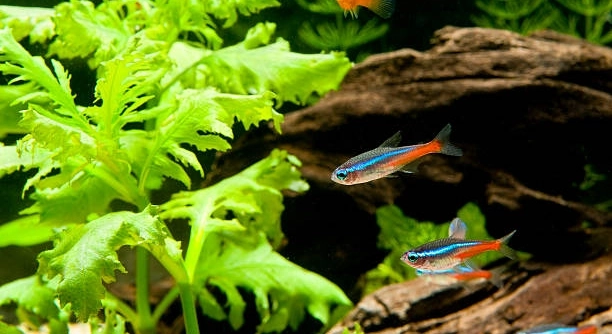
Are your tetras spending most of their time hiding instead of swimming freely like they used to? It can feel confusing and a little disappointing when their behavior suddenly changes without a clear reason.
The most common reason tetras hide constantly is due to stress, often caused by poor water conditions, aggressive tank mates, or a lack of proper hiding spaces. Environmental imbalances and sudden changes can also make them feel unsafe and withdrawn.
By understanding what’s affecting their comfort, you can create a more secure and thriving environment that encourages natural, active behavior.
Poor Water Conditions
Tetras are sensitive to changes in water quality. High levels of ammonia, nitrites, or nitrates can quickly affect their health. If the water is too cold, too warm, or has unstable pH levels, your tetras may feel uncomfortable and hide to protect themselves. Even small daily fluctuations in water parameters can be stressful. Testing the tank regularly helps you keep everything in balance. Clean water, consistent temperature, and proper filtration are essential. Always use a water conditioner to remove chlorine and chloramine, and perform partial water changes weekly. These steps are simple but make a big difference.
Even if the tank looks clean, it may still have imbalances. Relying on appearance alone is not enough to judge water quality.
Keeping track of ammonia, nitrite, and nitrate levels allows you to respond early. Stable water supports not only their health but also their confidence to explore the tank instead of hiding.
Aggressive Tank Mates
Tetras do best when surrounded by calm fish. Adding aggressive or fast-moving species can make them feel threatened, causing them to hide constantly. Choosing peaceful tank mates is important for their comfort.
Fish that chase, nip fins, or dominate space will stress out tetras. These aggressive behaviors force them to retreat, often hiding in corners, behind plants, or near the substrate. Over time, this constant stress can weaken their immune systems and affect their appetite. Avoid mixing tetras with larger or territorial fish. Stick to small, peaceful species like rasboras, corydoras, or other tetra varieties. Also, provide enough space for all fish to have their own area. A cramped tank creates tension, even among typically peaceful species. Watch for subtle signs like torn fins, loss of color, or erratic swimming—these can indicate bullying or stress. Rearranging decorations can also help break up territories and make the tank feel more neutral.
Lack of Hiding Spaces
Tetras need places where they can feel secure. If the tank is too open or bare, they may stay hidden out of fear. Adding plants, caves, and decorations helps them feel more comfortable and encourages natural behavior.
In a bare tank, tetras feel exposed. Even if there are no threats, the lack of shelter can make them uneasy. They instinctively look for cover to rest or escape perceived danger. Live plants like Java fern or Anubias offer gentle hiding spots without crowding the space. Rocks and driftwood also create shaded areas they can use to relax. A few well-placed decorations can give them options to retreat without disappearing completely. When they feel safe, they are more likely to explore. Spacing out these hiding spots allows multiple tetras to have their own zones, helping reduce stress across the entire group.
A well-decorated tank mimics their natural environment. It creates layers and depth, giving them places to swim through, rest under, or hide inside. This structure reduces anxiety and encourages them to stay active in the open. You don’t need to overfill the tank—just enough variety to break up open spaces is enough. The balance between hiding areas and swimming room creates a safer, more engaging environment for your tetras.
Inadequate Group Size
Tetras are schooling fish and rely on group interaction to feel safe. If kept in groups smaller than six, they often become stressed and timid. A larger group helps build their confidence and encourages more social and active behavior.
Smaller groups make tetras feel exposed. Without enough companions, they don’t receive the visual and behavioral cues they need to feel protected. In the wild, tetras move in large schools to avoid predators and navigate their environment. Keeping them in low numbers removes that sense of safety. Even if the tank conditions are ideal, a lonely tetra may remain hidden or inactive. A group of at least six—preferably more—encourages natural schooling patterns. They tend to swim in unison, explore the tank more freely, and react less fearfully to sudden movement. Larger groups also help reduce aggression among themselves by spreading social interactions more evenly.
Sudden Environmental Changes
Tetras react strongly to quick changes in their surroundings. Sudden shifts in temperature, lighting, or decor can make them hide for extended periods. Even small disruptions, like moving decorations or cleaning too much at once, can trigger stress.
Keeping their environment stable is key. Use a heater to maintain a consistent temperature and avoid bright lighting changes. Try not to rearrange the tank often or all at once. When cleaning, do partial water changes and keep their hiding places intact. Familiar surroundings help them feel secure and more willing to stay active.
Illness or Discomfort
If your tetras are hiding more than usual, they might not be feeling well. Illness, parasites, or even minor injuries can cause them to isolate themselves. Watch for signs like clamped fins, faded colors, labored breathing, or lack of appetite. These behaviors often appear before visible symptoms.
Too Much Noise or Activity
Loud sounds or constant movement near the tank can frighten tetras. They’re sensitive to vibrations and sudden shifts. Placing the tank in a quieter spot, away from heavy foot traffic or loud devices, helps reduce stress and supports their natural behavior.
FAQ
Why are my tetras hiding even though the water parameters are normal?
Even if water tests look fine, tetras may still feel stressed due to other factors. A bare tank, too much noise, sudden movements, or aggressive tank mates can cause hiding. Stress can come from multiple sources. Water quality is just one part. Consider the tank’s layout, lighting, and social dynamics. Ensure they have hiding spots, peaceful neighbors, and stable surroundings. Sometimes they also need time to adjust to a new tank or recent changes. Observing them closely over several days can help you spot other subtle stressors affecting their behavior.
Do tetras need a lot of hiding spaces if they are schooling fish?
Yes, even schooling fish like tetras need places to hide. While they enjoy swimming in groups, they also rest and seek cover when tired or feeling threatened. Hiding places help reduce stress and mimic their natural habitat. Adding plants, caves, or driftwood supports both their physical and emotional comfort. A tank that offers both open swimming space and covered areas encourages balanced behavior. When they feel secure, they will hide less and interact more. Providing multiple shelters also helps each fish find a space when needed, especially during rest or quiet periods.
Can too much light cause tetras to hide?
Yes, bright lighting can make tetras feel exposed. In their natural habitat, they swim in shaded waters. Excessively strong light can stress them and drive them to find cover. Using floating plants or adjusting your lighting setup helps soften brightness. A light schedule of 6–8 hours a day works well for most tanks. Sudden changes from darkness to light—or leaving the lights on too long—can affect their comfort. Try turning lights on and off gradually, and use timers to maintain consistency. When lighting is gentle and predictable, tetras feel safer and behave more naturally.
How long does it take for new tetras to stop hiding?
New tetras often take several days or even a week to adjust to their new environment. During this time, they may hide frequently or stay in the corners of the tank. This is normal behavior while they assess their surroundings. Giving them plenty of hiding spots, peaceful tank mates, and stable conditions will help them settle in faster. Avoid making changes or introducing new fish while they’re adjusting. Be patient and allow them time to feel safe. Once comfortable, they will begin schooling together and swimming more openly.
Do tetras hide when they sleep?
Yes, tetras often rest in quieter, hidden areas of the tank at night or when the lights are off. They don’t have eyelids, so they may appear still but awake. This resting behavior is a normal part of their daily rhythm. Hiding while sleeping helps them avoid threats in the wild, and they maintain that instinct in captivity. If they seem inactive at night but move around normally during the day, there’s likely no cause for concern. Ensuring they have dim lighting and places to rest makes their sleep periods more peaceful.
What’s the best way to encourage shy tetras to come out?
Create a calm and secure environment. Add plants and decorations for cover, and make sure their tank mates are peaceful. Keep the tank in a quiet area and maintain consistent lighting and temperature. Use a soft, natural-looking background to reduce reflections, which can startle them. Feed them at the same times each day to build trust. Sometimes, using dither fish—calm species that swim openly—can show tetras it’s safe to come out. Over time, with stability and care, most shy tetras become more confident and social in their tank.
Final Thoughts
Tetras are active, social fish that usually enjoy swimming in open spaces with their group. When they start hiding all the time, it’s often a sign that something isn’t right in their environment. This behavior can be caused by stress, poor water quality, bullying from tank mates, or sudden changes in their surroundings. Even small things like strong lighting or loud noises near the tank can make a big difference in how safe they feel. Watching their behavior closely and making gentle adjustments can help you understand what’s bothering them and how to fix it.
Maintaining a stable, peaceful tank is important for keeping your tetras happy. Regular water changes, careful monitoring of water parameters, and a well-balanced tank layout all support their comfort. Hiding spaces, calm tank mates, and the right group size allow them to feel safe enough to swim freely. It’s not always about one single issue—sometimes several small stressors build up. Taking time to look at the tank as a whole can give you a better idea of what might be causing the problem. Once you remove those stress factors, your tetras will likely become more active and visible again.
Creating a healthy environment for tetras isn’t difficult, but it does require attention and consistency. The goal is to give them the space, security, and stability they need to thrive. When their needs are met, they become more confident, more social, and more enjoyable to watch. If you notice changes in their behavior, take it as a quiet message that something may need your care. With patience and the right adjustments, you can help your tetras feel comfortable in their tank again. In return, they’ll reward you with their natural beauty, movement, and peaceful presence in your home.

Hello,
If you enjoy the content that we create, please consider saying a "Thank You!" by leaving a tip.
Every little bit helps us continue crafting quality advice that supports the health, happiness, and well-being of pets around the world, for pets of all shapes, sizes, and species.
We really appreciate the kindness and support that you show us!