
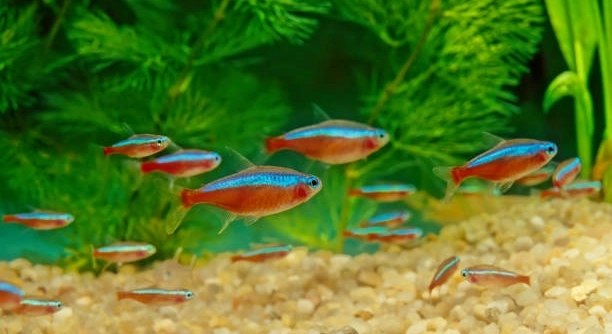
Have you ever set up a small fish tank only to wonder if you really need all that extra equipment? Many beginner fishkeepers find themselves unsure about what their tetras truly need to thrive. It can feel overwhelming.
Tetras can survive without an air pump if the tank has good water movement and proper surface agitation, which helps maintain oxygen levels. However, in still or poorly circulated tanks, an air pump becomes essential for their health.
Knowing when an air pump is necessary can make caring for your tetras much easier and less stressful. Understanding their needs helps you create a stable and healthy environment from the start.
Why Oxygen Matters for Tetras
Tetras are small, active fish that rely on oxygen-rich water to stay healthy. In their natural habitat, they live in flowing rivers and streams, where water movement helps mix oxygen into the water. In a tank, this oxygen doesn’t come naturally, so you need to make sure it’s there. Without enough oxygen, tetras can become sluggish, lose their color, or even die. Surface movement is one way to help oxygen get into the water. This can be done through a filter or an air pump. If your tank has live plants, those can also help during the day, but at night, plants take in oxygen too. So relying only on plants is not always enough. When oxygen levels drop, you may notice your tetras gasping at the surface. This is a clear sign something needs to change. Consistent water quality and steady oxygen levels go hand in hand.
Tetras breathe by absorbing oxygen through their gills. When the oxygen level in the tank drops, they feel the effects quickly and may show signs of stress.
Using a filter that creates surface movement can often replace the need for an air pump. It keeps the water from becoming too still and helps mix in air.
When an Air Pump Becomes Necessary
In smaller tanks with little to no surface movement, oxygen can drop fast. An air pump helps by adding bubbles that move the surface, which increases oxygen levels.
If your tank has no filter or the water remains still, adding an air pump is a good idea. Still water doesn’t allow gas exchange, and over time, oxygen can run low. Also, if your tank is crowded with fish, they will use up oxygen faster. Warmer water holds less oxygen, so in higher temperatures, even a lightly stocked tank may need more circulation. An air pump is simple and inexpensive, and it can give you peace of mind. Some air pumps also power sponge filters, which offer both filtration and surface movement. While tetras don’t need strong currents, a gentle bubbling can make a big difference. It’s especially helpful at night when live plants stop producing oxygen. Even if you already use a filter, an extra air stone powered by a pump can improve circulation in low-flow areas of your tank.
Signs Your Tetras Need More Oxygen
Tetras gasping near the surface is one of the most common signs that oxygen levels are too low. They may also become less active, lose their bright colors, or group around filter outputs where oxygen is higher.
If you notice your tetras hovering near the top of the tank or moving sluggishly, this may be a warning. Low oxygen makes it harder for them to breathe, so they go to areas with better airflow. Their gill movement may also become faster, and they may seem stressed. It’s important to act quickly if you see these changes. Check the temperature, water movement, and whether your filter is still working properly. In many cases, simply increasing surface movement can help bring oxygen levels back up. Regular observation helps you catch these signs early and avoid bigger issues.
Tetras should swim actively throughout the tank, not just hover in one spot. When they crowd around the top or hide near bubbling areas, they’re trying to get more oxygen. A lack of interest in food can also be a sign. Make sure your tank is not overcrowded, and keep an eye on the temperature—warmer water makes things worse. Small changes can make a big difference for their comfort.
Alternatives to Using an Air Pump
Some tanks can run well without an air pump if you use a filter that provides good surface agitation. This creates movement that allows oxygen to mix into the water without needing bubbles.
Adding live aquatic plants can also help, especially during the day when they release oxygen. Plants like anubias, hornwort, or java fern are easy to care for and can improve your tank’s environment. Just remember, at night plants use oxygen, so they shouldn’t be your only source. Manual stirring of the water, especially after feeding or a warm day, can also help in emergencies. Another option is upgrading your filter to one with a stronger output. This reduces the need for extra devices. Tank shape matters too—wide tanks have more surface area for gas exchange. If your tank isn’t crowded and you monitor conditions regularly, you may not need an air pump at all.
Best Conditions for Tetras Without an Air Pump
A tank with a good-quality filter that creates steady surface movement is usually enough to keep tetras healthy. Keep the water clean, avoid overstocking, and perform regular water changes to maintain balance without extra equipment.
Use a thermometer to keep water between 72°F and 78°F. Warmer water holds less oxygen, so avoid letting it get too high. A stable temperature and light fish load help support healthy oxygen levels without needing an air pump.
How to Improve Oxygen Levels Quickly
If your tetras seem stressed or start gasping, you can quickly raise oxygen by lowering the water level slightly. This increases the distance water from the filter falls, boosting surface agitation. You can also add an air stone temporarily, stir the water gently, or float a cup to scoop and pour water from above to move the surface. Cooler water also holds more oxygen, so turning down the heater a degree or two may help. Avoid using chemical treatments unless needed. Natural changes are safer and often just as effective. Always keep backup supplies, like a battery-powered air pump, in case of power loss.
What to Avoid When Oxygen is Low
Do not overcrowd the tank or overfeed the fish. Uneaten food and waste lower water quality, which leads to reduced oxygen levels.
FAQ
Can tetras survive in a tank without any water movement at all?
Tetras can survive for a short time in still water, but it is not ideal. Without water movement, oxygen levels drop quickly, especially if the tank is crowded or warm. Over time, the fish will become stressed and may get sick. For their health, some form of water circulation or surface agitation is needed to maintain enough oxygen.
Is an air pump necessary in all tetra tanks?
No, an air pump is not necessary in every tank. If you have a filter that creates good surface movement, and the tank is not overcrowded or too warm, tetras can thrive without an air pump. Live plants can help oxygenate water during the day as well. However, in smaller tanks, tanks with no filter, or warm water conditions, an air pump is often required.
Can live plants replace the need for an air pump?
Live plants do produce oxygen during photosynthesis, which can help oxygen levels during daylight hours. However, at night, plants consume oxygen, which can lower levels. Because of this, plants alone usually cannot replace the need for an air pump or filter that moves water. Plants are a helpful addition but should not be the only source of oxygen in your tank.
What are the signs of low oxygen in tetra fish?
Tetras gasping at the surface is the most obvious sign of low oxygen. Other signs include sluggish swimming, loss of color, clustering near filter outlets, rapid gill movement, and lack of appetite. If you notice these signs, check water quality and oxygen levels immediately and take steps to increase oxygen in the tank.
How can I improve oxygen levels without an air pump?
Improving oxygen without an air pump involves increasing surface agitation. Using a filter that moves water at the surface is the best method. You can also perform partial water changes, reduce tank temperature slightly, add live plants for daytime oxygen, or gently stir the water if needed. Widening the tank’s surface area can also help gas exchange.
Are there any risks to using an air pump?
Air pumps are generally safe but can create strong currents if not set up properly, which may stress tetras. Also, noisy or low-quality pumps might be disruptive. It’s important to choose a pump suitable for your tank size and fish species. Regular maintenance is needed to prevent malfunctions or reduced airflow.
Can I rely on a sponge filter instead of an air pump?
A sponge filter usually requires an air pump to work because it uses bubbles to push water through the sponge. However, if your tank has a strong hang-on-back or canister filter, you may not need a sponge filter or air pump for oxygen. Sponge filters provide gentle filtration and aeration, which is good for small or planted tanks.
Does tank size affect the need for an air pump?
Yes, tank size matters. Larger tanks have more surface area, which naturally helps oxygen exchange. Small tanks with limited surface area and water volume tend to require extra help, like an air pump, especially if heavily stocked or warm. Proper filtration and oxygenation are crucial in smaller setups.
What happens if I suddenly remove an air pump from a tank?
Removing an air pump suddenly can cause oxygen levels to drop quickly, especially in tanks that depend on it for circulation. Fish may become stressed or show signs of low oxygen. If you plan to remove or replace an air pump, do so gradually or make sure another method of aeration is in place to avoid shocking your tetras.
Can tetras live with other fish without an air pump?
Tetras can live with other fish without an air pump if the tank is well maintained, filtered properly, and oxygen levels stay adequate. However, more fish means more oxygen demand. In a crowded tank or with active species, an air pump or good filtration is more important to keep all fish healthy.
How often should I check oxygen levels in a tetra tank?
It’s a good idea to check oxygen levels regularly, especially in smaller or densely stocked tanks. If you don’t have an oxygen test kit, watch the fish behavior closely. Signs of distress mean you should test and improve aeration. During hot weather or power outages, be extra vigilant. Regular maintenance of filters and pumps helps keep oxygen stable.
Is tap water oxygenated enough for tetras when setting up a new tank?
Tap water usually contains dissolved oxygen, but it can vary depending on source and treatment. When setting up a tank, oxygen levels may drop quickly once fish are added, especially if the water is still. Using a filter or air pump from the start helps maintain proper oxygenation for your tetras.
Do tetras need more oxygen at night?
Tetras still need oxygen at night, but levels can drop because live plants consume oxygen in the dark. Tanks without good water movement or aeration may have lower oxygen at night, which can stress fish. An air pump or filter that keeps water moving helps maintain oxygen around the clock.
Can I use a battery-powered air pump for emergencies?
A battery-powered air pump is a great backup during power outages or emergencies. It keeps water moving and oxygenated until power returns. Keeping one on hand is a smart precaution for any fishkeeper to avoid stress or harm to tetras during unexpected situations.
Does temperature affect how much oxygen water holds?
Yes, temperature has a big effect. Warmer water holds less oxygen, which can be dangerous for tetras. Keeping water within their ideal range (72°F–78°F) helps maintain oxygen levels. If your tank gets too warm, consider adding an air pump or cooling the water to protect your fish.
What should I do if my tetras are gasping despite having an air pump?
If tetras are gasping even with an air pump, check if the pump is working properly and if the tank is overcrowded or too warm. Poor water quality can also lower oxygen. Test the water parameters, clean filters, and reduce fish load if needed. Sometimes a stronger or additional pump is necessary.
When keeping tetras, understanding their oxygen needs is very important. While tetras can survive without an air pump under certain conditions, this is not always the best choice. Tanks with good filters that create enough water movement can often support healthy oxygen levels without extra equipment. However, if the tank is small, crowded, or warm, using an air pump helps keep the oxygen where the fish need it. It’s important to keep a close eye on the fish’s behavior and tank conditions to make sure they stay comfortable and healthy.
Maintaining a clean and well-balanced tank is key to keeping your tetras happy. Regular water changes, avoiding overfeeding, and not overcrowding the tank all help keep oxygen levels steady. Live plants can add oxygen during the day, but they should not be relied on alone because they consume oxygen at night. Surface movement created by filters or air pumps helps oxygen mix into the water, which is critical for fish health. It may seem like extra work, but these simple steps make a big difference in the long run.
If you choose to keep tetras without an air pump, make sure you have the right setup for it. A good filter, stable water temperature, and low fish numbers will help your tetras thrive. Keep monitoring for signs like gasping or sluggish swimming, which can mean oxygen is low. Having a backup air pump for emergencies is also a good idea. By paying attention to these details, you can create a safe and comfortable home for your tetras without unnecessary equipment.

Hello,
If you enjoy the content that we create, please consider saying a "Thank You!" by leaving a tip.
Every little bit helps us continue crafting quality advice that supports the health, happiness, and well-being of pets around the world, for pets of all shapes, sizes, and species.
We really appreciate the kindness and support that you show us!