
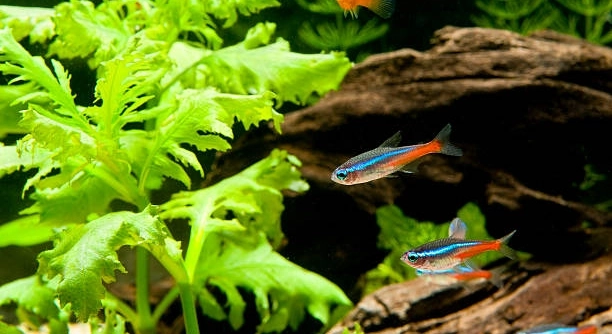
Tetras are popular aquarium fish known for their vibrant colors and peaceful nature. Sometimes, these small fish suddenly stop eating, which can worry their caretakers. Understanding why this happens is important for keeping them healthy and happy.
Tetras lose their appetite due to various factors such as water quality issues, stress from overcrowding or sudden changes, illness, improper diet, temperature fluctuations, poor tank conditions, and aggression from tank mates. Identifying these causes can help restore their feeding habits.
Knowing the reasons behind appetite loss can improve care and prevent health problems. This article will explain seven common causes and how to address them effectively.
Poor Water Quality
Water quality is one of the most common reasons tetras lose their appetite. Dirty or unbalanced water can stress fish, making them less interested in food. Ammonia, nitrite, and nitrate levels that are too high harm their health and appetite. Sudden changes in pH or hardness can also disrupt their comfort. Regular water testing and partial water changes help keep the environment stable and clean. Filtration plays a big role in removing waste and toxins that build up quickly in small tanks. Even if the water looks clear, harmful chemicals can still be present. Keeping the tank well-maintained encourages tetras to eat normally and stay active.
Poor water quality stresses tetras and affects their health, directly causing appetite loss. Proper tank maintenance is essential for preventing this problem.
Testing water parameters weekly and performing regular water changes keep tetras healthy. Avoid overfeeding, which pollutes water faster. If problems persist, consider upgrading filtration or reducing tank population to maintain balance.
Stress from Tank Conditions
Stress from overcrowding, aggressive tank mates, or sudden changes can make tetras stop eating. They are sensitive to disruptions in their environment. When stressed, their immune system weakens, making them more vulnerable to illness. Tank decorations, lighting, and hiding spots influence their comfort. Too much light or lack of shelter increases anxiety. Overcrowding causes competition for food and space, reducing appetite. Changes like moving tanks or introducing new fish can unsettle them for days or weeks.
A calm, stable environment helps tetras feel safe and eat regularly.
To reduce stress, provide enough space—about one gallon per tetra is a good rule. Include plants or decorations for hiding. Avoid sudden temperature or water changes. Introduce new fish slowly and watch for aggressive behavior. Regular feeding routines create predictability, which tetras appreciate. Monitoring behavior closely helps spot stress signs early, allowing timely intervention. By creating a peaceful tank environment, tetras are more likely to regain their appetite and thrive.
Illness and Parasites
Illness and parasites often cause tetras to lose their appetite. Infections, bacterial or fungal, weaken their bodies. Parasites irritate their skin and internal systems, making feeding difficult.
Common signs include lethargy, clamped fins, white spots, or unusual swimming. Quarantine new fish before adding them to the tank to prevent spreading disease. Treat infections promptly with appropriate medication. Keep the tank clean to minimize disease risks and support recovery. Healthy tetras resume normal feeding once treated.
If you notice prolonged appetite loss alongside physical changes, a vet or aquatic specialist may be necessary. Early diagnosis improves chances for a full recovery.
Improper Diet
A poor diet can lead to appetite loss in tetras. Feeding only one type of food or low-quality flakes may not provide necessary nutrients. Tetras need a varied diet to stay healthy and interested in eating. Include live or frozen foods like brine shrimp, daphnia, or bloodworms for protein and stimulation. Overfeeding can cause bloating or water quality issues, also reducing appetite.
Feeding small amounts two to three times daily is ideal. Rotate food types to keep meals balanced and appealing. Watching their response to different foods helps identify preferences and needs. Proper nutrition supports growth, color, and activity, encouraging tetras to eat regularly and maintain vitality.
Temperature Fluctuations
Tetras are sensitive to changes in water temperature. Sudden drops or rises can stress them and reduce their appetite. Maintaining a stable temperature within their ideal range is crucial for their well-being.
Using a reliable heater and thermometer helps avoid temperature swings that upset tetras.
Aggression from Tank Mates
Aggressive fish in the tank can intimidate tetras, causing them to hide and refuse food. This stress negatively impacts their appetite and overall health.
Separating aggressive species or providing plenty of hiding spots reduces tension and encourages feeding.
Poor Tank Conditions
Dirty substrates, algae buildup, and insufficient filtration create an unhealthy environment. This discourages tetras from eating and harms their health.
Regular cleaning and proper equipment maintenance are essential for a thriving aquarium.
FAQ
Why has my tetra suddenly stopped eating?
Sudden appetite loss in tetras is often linked to stress, poor water quality, illness, or changes in their environment. Check the tank’s water parameters first—ammonia, nitrite, and nitrate levels should be safe. Look for signs of disease or aggression from other fish. Changes like a new tank, water temperature shifts, or adding new fish can also cause stress, leading to appetite loss. Make sure their diet is varied and nutritious to encourage eating.
How can I improve my tetra’s appetite?
Start by ensuring the water quality is stable and clean. Test and adjust parameters regularly, and perform partial water changes as needed. Provide hiding spots to reduce stress and keep the tank peaceful. Offer a variety of foods, including live or frozen options like brine shrimp or bloodworms. Feed small amounts multiple times a day rather than one large meal. If illness is suspected, treat the fish promptly with appropriate medication.
What are signs my tetra might be sick?
Look for physical changes such as white spots, faded colors, clamped fins, or visible wounds. Behavioral changes like lethargy, erratic swimming, or hiding constantly also indicate health problems. A loss of appetite often accompanies these signs. Prompt action with water testing and possibly medication can prevent worsening illness.
Can water temperature affect my tetra’s feeding habits?
Yes, tetras thrive in stable temperatures, typically between 72°F and 78°F (22°C–26°C). Sudden fluctuations or temperatures outside this range can stress them and reduce their appetite. Using a heater with a thermostat and a thermometer helps maintain consistent temperatures.
Is overfeeding a problem for tetras?
Overfeeding leads to uneaten food decomposing and polluting the water, causing poor water quality that stresses fish. It can also cause digestive problems and reduce appetite. Feed only what tetras can eat in 2–3 minutes and remove leftovers promptly. Multiple small feedings are better than one large feeding.
How often should I clean my tetra tank?
Regular maintenance is key. Partial water changes of 20-30% weekly or biweekly help keep water clean. Clean substrate and remove excess algae as needed, but avoid disturbing beneficial bacteria. Check and clean filters regularly to ensure proper function without disrupting the tank’s balance.
Can tank mates affect my tetra’s appetite?
Yes, aggressive or overly active tank mates can intimidate tetras, causing stress and loss of appetite. Providing enough space, hiding places, and choosing compatible species helps reduce aggression. If bullying occurs, separating aggressive fish is necessary for the health of all tank inhabitants.
What should I feed my tetras for best health?
Tetras need a balanced diet including high-quality flakes or pellets and occasional live or frozen foods like brine shrimp, daphnia, or bloodworms. Variety keeps them interested and meets nutritional needs. Avoid feeding only one type of food, as it can lead to deficiencies and appetite loss.
When should I quarantine new fish?
Always quarantine new fish for at least two weeks before adding them to the main tank. This helps prevent introducing diseases and parasites that can cause illness and appetite loss in your tetras.
How can I tell if my tetra is stressed?
Signs of stress include hiding more than usual, loss of color, rapid gill movement, and refusal to eat. Stress results from poor water quality, overcrowding, aggressive tank mates, or sudden environmental changes. Identifying and fixing the cause early helps restore their appetite and health.
Are there specific illnesses common in tetras?
Tetras are prone to diseases like Ich (white spot disease), fin rot, and bacterial infections. These illnesses often cause appetite loss and visible symptoms such as spots, ragged fins, or swelling. Early diagnosis and treatment improve survival rates. Maintaining good water quality and quarantine practices reduce risks.
Can I use medication without harming other tank inhabitants?
Some medications can affect sensitive species like shrimp or snails. Always research the medication’s effects and follow dosing instructions carefully. Removing or protecting vulnerable tank mates during treatment is advisable to avoid harm.
How long can tetras go without eating?
Healthy adult tetras can survive several days without food, but longer periods cause stress and weaken their immune systems. If a tetra stops eating for more than two or three days, check for underlying problems and act quickly to address them.
Does lighting affect tetra appetite?
Lighting influences fish behavior. Too bright or constant light can stress tetras and reduce appetite. Providing a natural day-night cycle with about 8-10 hours of light per day helps maintain their feeding routine and overall health.
What role do hiding spots play in feeding behavior?
Hiding places help tetras feel safe and reduce stress, encouraging them to eat normally. Plants, rocks, and decorations create a comfortable environment where tetras can retreat if threatened. A lack of shelter can cause anxiety and appetite loss.
Can sudden changes in water chemistry cause appetite loss?
Yes, abrupt changes in pH, hardness, or other chemical parameters can stress tetras, leading to loss of appetite. Always make changes gradually and monitor the water closely to avoid shock.
How can I monitor my tetra’s health daily?
Watch for changes in behavior, appearance, and appetite. Healthy tetras are active, colorful, and eager to eat. Noticing subtle differences early helps catch problems before they worsen.
Is it okay to fast my tetras occasionally?
Fasting once a week for 24 hours can benefit digestion and prevent overfeeding. However, regular appetite loss is a sign of an underlying issue that needs attention.
What is the best way to introduce new foods to tetras?
Introduce new foods slowly, mixing small amounts with their regular diet. Observe how they respond and adjust accordingly. This helps prevent rejection and ensures they receive balanced nutrition.
Tetras are small, delicate fish that depend greatly on their environment and care for their health and well-being. When they lose their appetite, it is often a sign that something in their habitat or routine is not quite right. Paying close attention to water quality, tank conditions, diet, and possible stressors is essential for their recovery. Regular maintenance and careful observation are key to preventing many common issues that cause appetite loss. By addressing these factors early, tetras can quickly return to their normal feeding habits and continue to thrive in the aquarium.
It is important to remember that appetite loss in tetras can have multiple causes, often working together. For example, poor water quality may stress the fish, weakening their immune system and making them more susceptible to illness. Similarly, aggressive tank mates can cause constant stress, which also affects appetite and health. Understanding these connections helps to create a comprehensive care plan for the fish. Making small adjustments, such as improving water conditions or changing tank mates, can have a big impact. Keeping a consistent feeding schedule and offering a balanced diet with variety also encourages healthy eating behavior.
Overall, caring for tetras requires attention to detail and patience. Monitoring their behavior and environment regularly allows for early detection of problems before they become serious. When appetite loss occurs, taking quick and informed action can prevent long-term health issues. Keeping their tank clean, stable, and safe ensures tetras remain active and vibrant. With proper care and understanding of their needs, tetras can enjoy a healthy life and continue to brighten any aquarium with their colorful presence.

Hello,
If you enjoy the content that we create, please consider saying a "Thank You!" by leaving a tip.
Every little bit helps us continue crafting quality advice that supports the health, happiness, and well-being of pets around the world, for pets of all shapes, sizes, and species.
We really appreciate the kindness and support that you show us!