
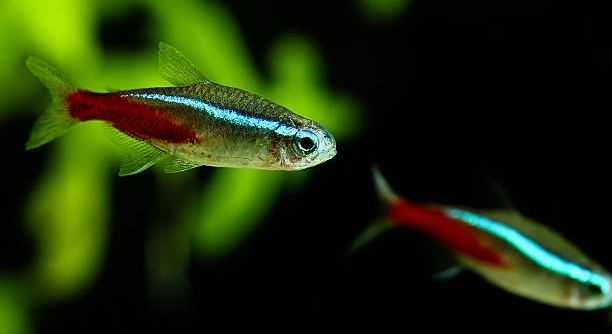
Are your tetras shaking in their tank without any obvious reason? Many fish owners notice this behavior and wonder what might be causing it. Understanding the reasons behind this can help keep your fish healthy and comfortable in their environment.
Tetras may shake due to several common causes such as poor water quality, temperature fluctuations, infections, stress from overcrowding, or improper diet. Each factor affects their well-being differently and requires specific care adjustments to resolve the issue.
Recognizing these reasons early can improve your tetra’s health and prevent further complications. Let’s explore what might be causing the shaking and how you can help your fish feel better.
Poor Water Quality
Water quality is one of the most important factors affecting your tetra’s health. If the water is dirty or contains high levels of toxins like ammonia or nitrites, it can cause stress and shaking. Even if the water looks clear, harmful chemicals may still be present. Regular water testing helps you catch problems early. Performing partial water changes and cleaning the tank will keep the environment safe. Avoid overfeeding, as leftover food breaks down and pollutes the water. Keeping a stable pH and temperature also supports your fish’s well-being. Neglecting water quality can lead to illnesses and discomfort for your tetras.
Testing your tank water weekly is a simple way to prevent shaking. Maintaining clean water improves your fish’s overall health and reduces stress.
If water quality is poor, start by doing a 25-30% water change. Use a water conditioner to remove chlorine or chloramine from tap water before adding it to the tank. Regular cleaning of filters and gravel also helps remove waste buildup. A clean and stable environment allows your tetras to swim calmly and comfortably without shaking.
Temperature Fluctuations
Temperature changes in the tank can upset your tetras. Sudden drops or rises in temperature make fish cold or overheated, which causes shaking. Tetras prefer stable, warm water around 74-80°F (23-27°C). Using a reliable heater and thermometer helps maintain this range. Avoid placing the tank near windows or heating vents where temperature shifts happen often. Consistent temperature supports your fish’s metabolism and immune system.
Keeping the temperature steady prevents unnecessary stress.
When the water temperature fluctuates, your tetras expend energy trying to adjust. This leads to shaking and weak swimming. If the tank is too cold, their metabolism slows, making them lethargic. Too warm, and they become stressed and prone to infections. Check the heater regularly and use a backup thermometer for accuracy. Adjust the room environment if needed to protect your tank’s temperature. Stable heat creates a comfortable home for your tetras and reduces shaking.
Stress from Overcrowding
Too many fish in one tank create stress. Tetras need enough space to swim freely. Crowded tanks increase aggression and competition for food, leading to shaking and poor health.
Overcrowding causes constant stress, weakening your tetra’s immune system. Fish become more vulnerable to diseases and behave erratically, including shaking or darting. Make sure to follow the recommended stocking levels based on your tank size. Adding more plants and hiding spots can reduce stress by giving fish places to retreat. Regular observation helps spot bullying or aggressive behavior early. Reducing the number of fish or upgrading to a larger tank improves their comfort.
Managing population keeps the environment balanced and reduces stress. Your tetras will swim more calmly and show healthier behavior with enough space and less competition.
Infections and Parasites
Infections and parasites often cause shaking in tetras. Bacterial, fungal, or parasitic infections affect their nervous system or skin, causing twitching or rapid movement. Quarantining new fish before adding them to the main tank helps prevent spread.
Common signs include clamped fins, lethargy, and loss of appetite. Treatments vary depending on the cause but often involve medicated water or antibiotics. Maintaining clean water and good nutrition strengthens their ability to fight infections. Early detection is crucial to avoid serious damage or death.
Consulting a vet or experienced fishkeeper can help identify the exact issue. Proper diagnosis leads to effective treatment and faster recovery for your tetras.
Improper Diet
Feeding your tetras the wrong food can cause health issues, including shaking. Poor nutrition weakens their immune system and affects energy levels.
Tetras need a balanced diet with high-quality flakes, pellets, and occasional live or frozen foods. Overfeeding or feeding too little can both lead to stress and trembling.
Water Flow and Current
Strong currents can make tetras struggle to swim steadily, causing shaking or twitching. These fish prefer gentle water movement to feel safe and comfortable.
Adjust your filter settings or add decorations to slow down fast currents. Creating calmer areas lets your tetras rest and reduces stress from fighting the flow.
Old Age
As tetras age, they may naturally shake or twitch more often. Aging weakens muscles and reflexes, which can show in their movement.
Older fish need extra care with gentle handling, stable conditions, and a proper diet to support their health and comfort.
FAQ
Why are my tetras shaking but still eating and swimming normally?
Tetras may shake even when they appear active because of mild stress or minor environmental changes. Factors like slight temperature shifts, new tank decorations, or brief water quality changes can cause this behavior without affecting eating or swimming immediately. It’s important to keep monitoring water parameters and the tank environment to prevent the shaking from worsening.
How often should I test my aquarium water to prevent shaking?
Testing water once a week is ideal to catch early signs of pollution like ammonia, nitrites, or nitrates. Regular testing helps maintain safe water quality levels, which directly reduces stress and shaking in your tetras. Frequent water changes based on test results keep the environment stable and healthy.
Can shaking be a sign of contagious disease?
Yes, shaking can indicate infections that spread among fish, especially bacterial or parasitic diseases. Quarantining new fish before adding them helps prevent outbreaks. If multiple tetras show shaking, isolating sick fish and treating the tank promptly is essential to control the illness.
What is the best way to treat shaking caused by parasites?
Treating parasites usually requires medicated water with antiparasitic medications available at pet stores or from veterinarians. Follow instructions carefully and continue treatment until symptoms stop. Improving water quality and reducing stress supports healing during treatment.
Will changing the tank water stress my tetras more?
Properly done partial water changes do not cause harmful stress. In fact, they improve water quality, which reduces shaking. Always use conditioned water at the same temperature as the tank to avoid sudden shocks. Avoid large or frequent full water changes that disrupt the tank’s stability.
Can shaking indicate a lack of oxygen in the tank?
Low oxygen levels may cause rapid gill movement and shaking in tetras. Ensure good aeration by using air stones or adjusting filter output to increase surface water agitation. Proper oxygen levels help your fish stay calm and healthy.
How do I know if shaking is caused by temperature?
If shaking starts after a room temperature change or heater malfunction, temperature is likely the cause. Use a reliable aquarium thermometer to check water temperature daily. Adjust the heater settings or move the tank away from drafts or direct sunlight.
Is it normal for tetras to shake occasionally?
Occasional shaking can happen but should not be frequent or prolonged. If shaking continues, it signals a problem that needs attention. Consistent shaking indicates stress, illness, or environmental issues.
How can I reduce stress to stop shaking?
Reducing stress includes maintaining clean water, proper temperature, enough space, and hiding spots. Avoid sudden changes in lighting or tank setup. Feeding a balanced diet and minimizing loud noises or vibrations near the tank also help.
When should I seek professional help for shaking tetras?
If shaking persists despite good care, or if your tetras show other symptoms like loss of appetite, lethargy, or spots on their body, consult a vet or experienced fishkeeper. Early diagnosis leads to better treatment outcomes.
Final Thoughts
Taking care of tetras means paying close attention to their behavior, especially signs like shaking. This can be a way your fish show they are uncomfortable or unwell. Understanding the common reasons behind shaking helps you act quickly to improve their environment and health. From water quality to temperature, diet, and stress levels, many small changes in care can make a big difference. Keeping a regular schedule for cleaning the tank and checking water conditions will help prevent most problems that cause shaking.
It is important to remember that tetras are sensitive creatures. They thrive best in stable conditions with clean water and the right temperature. Overcrowding or poor nutrition can stress them and make them more likely to shake or get sick. When you see shaking, do not ignore it or assume it will go away on its own. Early action is key. If you keep their environment healthy and feed them well, you support their immune system and help them stay strong. Sometimes, shaking may be caused by illness, and treating it early can save your fish’s life.
Lastly, staying informed and observant is part of good fish care. Learning about your tetras’ needs and watching for changes in behavior lets you provide the best home possible. Small efforts like testing water regularly, adjusting temperature, and feeding a balanced diet show that you care for their well-being. When tetras stop shaking and swim happily, it means your efforts are working. Keeping your fish healthy creates a calm and enjoyable tank for both you and your tetras.

Hello,
If you enjoy the content that we create, please consider saying a "Thank You!" by leaving a tip.
Every little bit helps us continue crafting quality advice that supports the health, happiness, and well-being of pets around the world, for pets of all shapes, sizes, and species.
We really appreciate the kindness and support that you show us!