
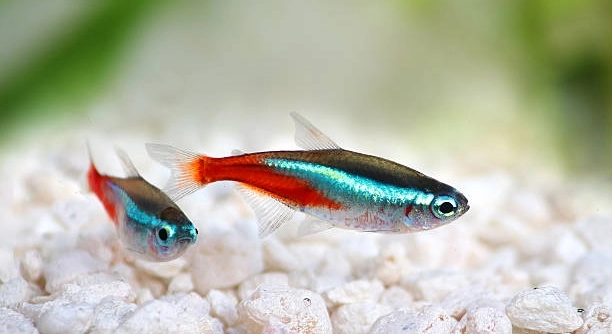
Breeding tetras can be a rewarding experience for aquarium enthusiasts who want to expand their fish collection. These small, colorful fish are popular but require proper care to breed successfully. Understanding their needs is key to a healthy breeding process.
Successfully breeding tetras involves providing the right water conditions, a suitable breeding tank, proper diet, and ensuring the fish are healthy and mature. Attention to temperature, lighting, and gentle handling are essential factors to encourage spawning.
Following simple tips can make breeding tetras easier and more enjoyable, helping you raise vibrant, healthy fry for your aquarium.
Preparing the Breeding Tank
Setting up the breeding tank properly is one of the most important steps in breeding tetras. Use a small tank, around 10 gallons, to keep conditions easier to control. Fill it with soft, slightly acidic water, as tetras prefer a pH between 6.0 and 7.0. Add a gentle sponge filter to avoid harming tiny fry while keeping the water clean. Including fine-leaved plants or spawning mops gives tetras a place to lay eggs and shelter. Keep the tank dimly lit to reduce stress, and maintain a temperature around 78°F (25.5°C). Avoid using gravel because eggs can fall and get lost or eaten. Regularly check water parameters before introducing the fish to ensure a stable environment. This careful preparation will create a safe and comfortable space that encourages spawning and protects the young.
Keeping the breeding tank clean and stable supports healthy eggs and fry growth. Proper conditions reduce the risk of fungal infections.
Tetras are sensitive to changes in water quality, so it’s best to perform small, frequent water changes of about 10-15% every few days. This keeps ammonia and nitrite levels low without shocking the fish. Using conditioned water helps remove chlorine and other harmful chemicals. Monitor the temperature closely to avoid sudden drops or rises, as this can stress the fish and stop spawning. Be patient and watch for subtle signs of readiness, such as increased activity or color changes in the male and female. The right setup and steady care will increase your chances of success and create a healthy environment for the next generation.
Feeding Your Tetras Before Breeding
Feeding your tetras well before breeding is crucial for strong, healthy eggs and fry. Provide a varied diet rich in protein to prepare the fish for spawning. Live or frozen foods like daphnia, brine shrimp, and bloodworms are excellent choices. These foods improve fertility and increase the energy levels of your fish. Supplement their diet with high-quality flake or pellet food to ensure they get balanced nutrition. Feed small amounts two to three times daily to avoid overfeeding and water pollution. Healthy, well-fed tetras are more likely to spawn successfully and produce viable eggs.
Protein-rich foods increase the chances of successful breeding by improving egg quality.
Regular feeding schedules help keep your tetras in peak condition. Consistency is key for their health and reproductive readiness. Avoid sudden changes in diet that might stress them. Remember to remove any uneaten food quickly to prevent water quality issues. Healthy fish show vibrant colors and active behavior, signaling they are ready to breed. Proper nutrition combined with the right tank conditions sets a strong foundation for breeding success and the growth of healthy fry.
Selecting Breeding Pairs
Choose healthy adult tetras that are at least six months old for breeding. Look for bright colors and active behavior. Avoid any fish that show signs of illness or stress. Select one male and one or two females for better results.
Males typically have more intense colors and slimmer bodies compared to females, who are usually rounder, especially when carrying eggs. It’s important to observe them for a few days to ensure they are compatible and not aggressive toward each other. If the fish are stressed or fighting, breeding will be less likely to succeed. Separating incompatible pairs early helps maintain a calm tank environment.
Keeping the selected pairs in a separate breeding tank reduces stress and allows better monitoring. This setup also prevents other fish from eating eggs or fry. Once the female lays eggs, remove the adults to protect the young. This careful management improves survival rates and supports a successful breeding cycle.
Monitoring Spawning Behavior
Spawning behavior usually begins with males chasing females and displaying vibrant colors. This indicates they are ready to breed. The process can take several hours or more.
During spawning, males will often hover near plants or spawning mops, nudging females to release eggs. Females scatter eggs, which stick to surfaces. After spawning, remove the adults quickly to prevent them from eating the eggs. Check the tank carefully to ensure eggs are attached and not damaged. Eggs usually hatch in 24 to 36 hours, depending on water temperature.
Maintaining quiet and calm conditions during this period helps reduce stress. Avoid sudden movements or loud noises near the tank. Keeping stable temperature and water parameters supports egg development and healthy fry. Proper care during this critical time maximizes the chances of healthy offspring growing strong.
Caring for the Eggs
Eggs need clean water and gentle care to develop properly. Avoid strong water currents that can dislodge them. Keep the tank dimly lit to reduce stress on the eggs.
Remove any eggs that show signs of fungus to prevent it from spreading. Using a mild antifungal treatment can help protect the healthy eggs. Good water quality is essential during this stage for successful hatching.
Feeding the Fry
Once the eggs hatch, feed the fry with infusoria or newly hatched brine shrimp. These tiny foods are easy for the fry to eat and digest.
Water Changes for Fry
Perform small, frequent water changes to keep water clean without stressing the fry. Replace about 10-15% of the water every two to three days.
Growing the Fry
Provide plenty of hiding spots with plants or decorations as the fry grow. This helps reduce stress and encourages healthy development.
FAQ
How long does it take for tetra eggs to hatch?
Tetra eggs usually hatch within 24 to 36 hours after spawning, depending on the water temperature. Warmer water speeds up development, while cooler water slows it down. It’s important to keep the water stable and clean during this time to support healthy hatching.
Can I breed tetras in a community tank?
Breeding tetras in a community tank is not recommended. Other fish may eat the eggs or fry, and the parents might get stressed. A separate breeding tank offers a controlled environment, increasing the chances of survival for the eggs and fry.
What water conditions are best for breeding tetras?
Soft, slightly acidic water with a pH between 6.0 and 7.0 works best. Keep the temperature steady around 78°F (25.5°C). Gentle filtration and low lighting help create a comfortable environment for spawning.
How do I tell male and female tetras apart?
Males usually have brighter colors and slimmer bodies. Females tend to be rounder, especially when carrying eggs. Watching their behavior during spawning season can also help identify males, as they are more active and chase females.
What should I feed my tetras before breeding?
Feed high-protein foods like live or frozen daphnia, brine shrimp, and bloodworms. Supplement with quality flakes or pellets for balanced nutrition. Feeding small amounts several times a day keeps your fish healthy and ready to spawn.
How often should I perform water changes during breeding?
Small, frequent water changes of 10-15% every few days keep the water clean without stressing the fish or eggs. Use conditioned water to avoid chlorine or other chemicals that could harm the fish.
What do I do if the eggs get fungus?
Remove any eggs that show signs of fungus immediately to prevent spreading. Using an antifungal treatment designed for fish tanks can help protect the healthy eggs and increase hatch rates.
How long until fry are free-swimming?
Tetra fry usually become free-swimming about 3 to 5 days after hatching. At this point, they start exploring the tank and need very small foods like infusoria or newly hatched brine shrimp.
When can I start feeding fry regular fish food?
After about two weeks, the fry can gradually be introduced to finely crushed flake food or powdered fry food. Continue feeding small amounts multiple times a day to support healthy growth.
How do I prevent the parents from eating the eggs?
Remove the adult fish from the breeding tank right after spawning. Parents often eat their own eggs, so separating them protects the eggs and increases survival chances.
Can I breed multiple pairs of tetras in one tank?
It’s best to breed one pair or one male with two females in a separate tank. Multiple pairs can cause aggression and make it hard to monitor eggs and fry properly.
What are the signs that my tetras are ready to breed?
Males will display brighter colors and start chasing females. Females may become rounder with eggs. You might also notice increased activity and courtship behavior in the tank.
How long does it take for fry to grow into adults?
Tetra fry typically reach adult size in about 3 to 6 months, depending on food quality and water conditions. Proper care and feeding during this time ensure healthy development.
Is it necessary to use a sponge filter during breeding?
Yes, sponge filters provide gentle filtration without harming delicate eggs or fry. They also encourage beneficial bacteria growth, which helps keep the water clean and safe.
Can I use tap water for the breeding tank?
Tap water can be used only if properly treated with a water conditioner to remove chlorine and chloramines. Testing water parameters regularly is important to maintain suitable conditions for breeding.
What should I do if the fry stop growing?
Check water quality and food supply first. Poor water conditions or inadequate feeding can stunt growth. Ensure frequent small feedings and clean water with proper temperature to support healthy fry development.
Breeding tetras can be a rewarding experience when done with care and patience. Success depends on understanding their needs and providing the right environment. From preparing the breeding tank to feeding the fish properly, each step plays an important role in helping the tetras spawn and raise healthy fry. Setting up soft, clean water with gentle filtration and including plants or spawning mops creates a safe space for eggs and fry. Maintaining steady water temperature and quality supports the entire breeding process. Paying attention to these details reduces stress and encourages natural behaviors.
Choosing healthy, mature fish that show no signs of illness is another key factor. Males and females need to be kept together in a calm environment to allow natural courtship and spawning. After spawning, separating adults from eggs protects the young from being eaten. Caring for the eggs and newly hatched fry requires patience and close monitoring. Small water changes and feeding the fry with tiny live foods help ensure they grow strong. Avoiding sudden changes in water or diet is important to prevent stress or setbacks. Gradually introducing more solid foods as fry grow supports their development into healthy adults.
While breeding tetras takes time and attention, the process can be very satisfying. The key is consistency in tank care, feeding, and monitoring the fish’s behavior. Keeping the environment stable and meeting the fish’s needs at each stage leads to better survival rates and vibrant fry. With practice, it becomes easier to recognize signs of readiness and handle the tank properly. Breeding tetras successfully is about creating balance and respecting the fish’s natural cycles. Following simple steps carefully helps turn the effort into a positive outcome that benefits both the fish and the aquarium.

Hello,
If you enjoy the content that we create, please consider saying a "Thank You!" by leaving a tip.
Every little bit helps us continue crafting quality advice that supports the health, happiness, and well-being of pets around the world, for pets of all shapes, sizes, and species.
We really appreciate the kindness and support that you show us!