
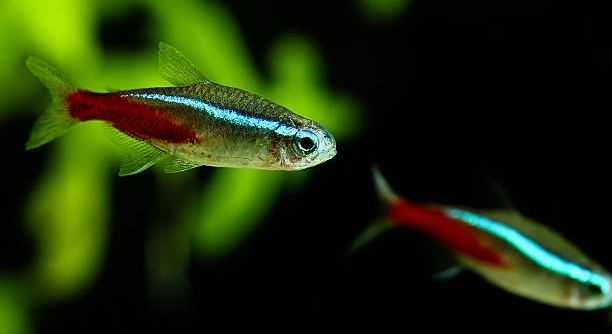
Are your tetra fish darting around the tank in sudden bursts? This behavior can be puzzling for many aquarium owners. Understanding why your fish act this way helps improve their care and environment.
Tetras dart around for several reasons, including stress, poor water quality, sudden changes in lighting, overcrowding, illness, lack of hiding spots, or the presence of predators. Each cause affects their behavior and well-being in distinct ways.
Knowing these causes allows you to address the root problems and create a calmer, healthier environment for your tetras to thrive.
Stress and Anxiety in Tetras
Stress is a common reason why tetras dart around quickly. Loud noises, sudden movements near the tank, or changes in their environment can make them anxious. Stress affects their health and can lead to more serious problems if it continues. Tetras need a calm, stable environment to feel safe and behave normally.
When tetras feel stressed, they use quick movements as a way to escape perceived danger or discomfort.
To reduce stress, keep the tank in a quiet spot with steady lighting. Avoid tapping on the glass or making sudden changes to their surroundings. Providing plants or decorations can give tetras places to hide and feel secure. Regular maintenance of the tank also keeps their environment healthy, which helps reduce anxiety.
Poor Water Quality
Poor water quality can cause tetras to behave erratically and dart around. High levels of ammonia, nitrites, or nitrates in the water are harmful to fish. Dirty water affects their breathing and makes them uncomfortable, leading to rapid movements. It’s important to test the water regularly and do partial water changes to keep conditions safe.
Keeping the water clean helps tetras stay healthy and calm.
Maintaining good water quality involves testing key water parameters weekly. Ammonia and nitrite levels should always be zero, and nitrates kept low. Using a reliable filter and performing regular water changes of 20-30% can control waste buildup. Avoid overfeeding, as leftover food increases waste and pollutes the water. Proper water care reduces stress and prevents diseases that may cause darting behavior. A clean, balanced tank environment supports your tetras’ natural, peaceful swimming patterns.
Sudden Changes in Lighting
Sudden shifts in lighting can startle tetras, causing them to dart quickly. Bright lights or shadows may make them feel threatened.
Adjust lighting gradually to prevent sudden changes. Using a timer can help maintain consistent light periods. Avoid turning lights on or off abruptly, especially when you’re near the tank. This helps tetras stay calm and reduces their stress-related darting behavior.
In their natural habitat, tetras experience soft, diffused lighting. Mimicking this by using dimmers or low-intensity lights can create a more comfortable environment. Consistent lighting schedules support their natural rhythms and reduce anxiety. Over time, this encourages relaxed swimming rather than quick, jerky movements caused by unexpected light changes.
Overcrowding in the Aquarium
Too many fish in one tank can make tetras feel crowded and stressed. Overcrowding limits swimming space and increases competition for resources.
Overcrowded tanks lead to poor water quality, reduced oxygen, and higher stress levels. Tetras may dart to escape or establish dominance, but this behavior is a sign of discomfort. It’s important to maintain proper stocking levels based on tank size and species needs.
Providing enough space and hiding spots reduces aggression and frantic swimming. A general guideline is one inch of fish per gallon of water, but active swimmers like tetras may need more room. Regularly observe your fish to ensure they have enough space to swim freely without chasing or hiding constantly. Proper tank management promotes healthier, calmer fish and a more enjoyable aquarium.
Presence of Predators
Predators in or near the tank can cause tetras to dart frantically. Even the sight of larger fish can trigger this behavior.
Keeping aggressive or larger fish separate helps tetras feel safe. Avoid placing your tank near areas where pets or wildlife might disturb the fish.
Illness and Parasites
Sickness often causes abnormal darting as tetras try to escape discomfort or irritation. Parasites, infections, or poor health make them restless and unsettled. Monitoring your fish closely for other signs of illness, like discoloration or lethargy, is important.
If illness is suspected, isolating affected fish and treating the tank can prevent further stress and health problems.
Lack of Hiding Spots
Tetras need places to hide to feel secure. Without sufficient cover, they may dart around nervously, searching for shelter.
Adding plants, rocks, or decorations creates safe spaces. This reduces anxiety and helps tetras swim calmly.
FAQ
Why do my tetras dart only at certain times of the day?
Tetras are sensitive to changes in light and activity around their tank. Early morning or late evening can cause sudden movements due to shifting light or household noise. They may also dart during feeding times, reacting quickly to food or disturbances. Maintaining a stable routine helps reduce this behavior.
Can overcrowding make my tetras aggressive?
Yes. Overcrowded tanks cause stress and competition for space and resources. Tetras may become territorial or chase each other, resulting in darting and aggressive displays. Keeping appropriate stocking levels and providing hiding spots reduces these issues and helps maintain peaceful behavior.
How often should I test my tank water to prevent darting behavior?
Testing water weekly is recommended to catch harmful changes early. Ammonia, nitrites, and nitrates are critical indicators. Consistently clean water lowers stress and prevents darting caused by poor water quality.
Are certain tank mates more likely to cause my tetras to dart?
Larger or more aggressive fish can intimidate tetras, triggering darting as a defense. Avoid pairing tetras with fish known for aggressive behavior. Instead, choose peaceful species that coexist calmly.
Could sudden loud noises outside the tank cause darting?
Yes. Loud sounds or vibrations can startle tetras and cause rapid, erratic swimming. Placing the tank in a quiet area helps minimize these disturbances.
Does feeding schedule affect darting?
Feeding can stimulate quick movements as tetras compete or get excited. Regular feeding times and avoiding overfeeding help reduce frantic swimming during meals.
How do I know if darting is caused by illness?
If darting is accompanied by other symptoms like clamped fins, faded color, or lethargy, illness may be the cause. Quarantine sick fish and consult treatment options quickly.
Can lack of hiding places cause stress-induced darting?
Definitely. Tetras need cover to feel safe. Without plants or decorations, they become anxious and swim erratically. Adding hiding spots improves their comfort and behavior.
What’s the best way to reduce stress for my tetras?
Keep tank conditions stable: maintain water quality, avoid sudden changes, provide adequate space, and reduce noise. Consistency and a peaceful environment minimize stress-related darting.
Is it normal for tetras to dart occasionally?
Yes, occasional darting is natural, especially during play or exploration. Persistent or frequent darting usually signals an underlying problem that needs attention.
Can tank size influence darting behavior?
Smaller tanks with limited space cause tetras to feel cramped and stressed, increasing darting. Providing a suitably sized tank encourages calm swimming and natural behavior.
How can I create a more natural environment for my tetras?
Use live plants, soft substrate, and gentle lighting. Mimicking their natural habitat supports relaxed behavior and reduces sudden darting. Providing places to hide and swim freely enhances their well-being.
Final Thoughts
Tetras are lively and beautiful fish that can brighten any aquarium. Their darting behavior can sometimes be worrying, but it usually points to factors in their environment or health. Understanding the reasons behind their sudden movements is important for keeping them happy and healthy. Stress, water quality, lighting, overcrowding, illness, and the need for hiding places all play roles in how your tetras behave. Paying attention to these details can help you create a better home for them.
Maintaining stable water conditions is one of the most important steps to prevent unwanted darting. Regular water testing and changes keep the tank clean and safe. Tetras are sensitive to changes in their surroundings, so avoiding sudden shifts in lighting or noisy environments also reduces their stress. Overcrowding is a common issue that can cause many problems, including darting and aggression. Ensuring your tank has enough space and that each fish has room to swim freely will improve their behavior and overall health.
Adding plants, rocks, and decorations provides essential hiding spots, which help tetras feel secure and less likely to dart. Observing your fish regularly lets you spot early signs of illness or stress so you can take action quickly. A calm, well-maintained aquarium encourages peaceful swimming and reduces erratic movements. Understanding these causes and solutions not only benefits your tetras but also makes your aquarium experience more enjoyable. Taking these steps shows care and attention, which your fish will thrive on.

Hello,
If you enjoy the content that we create, please consider saying a "Thank You!" by leaving a tip.
Every little bit helps us continue crafting quality advice that supports the health, happiness, and well-being of pets around the world, for pets of all shapes, sizes, and species.
We really appreciate the kindness and support that you show us!